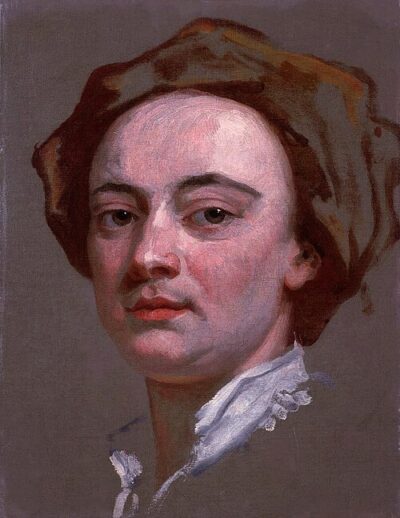
The Beggar's Opera
The Beggar's Opera is a ballad opera by John Gay (1728). It came out in 1727.
- Released
- 18th century
- Came out
- 1727
- Written by
- John Gay
- Genre
- ballad opera
- Country of origin
- Kingdom of Great Britain
All 9 facts, and where they come from
Facts
9 facts · 0 confirmed by two sources · 0 cited · 9 from one source
Where this comes from
Papalocal keeps its own record. It started from these sources; what each one said is kept here as it was copied, so a change on their side never changes this page by itself. Tap one to read its version.
What Wikidata says · copied November 17, 2026 · revision 2555906420
- Described as
- ballad opera by John Gay (1728)
- Other names
- Beggar's Opera
- What it is
- dramatico-musical work; theatrical work
- Written by
- John Gay
- Music by
- Johann Christoph Pepusch
- Genre
- ballad opera
- Released
- 18th century
- Language
- English
- Country of origin
- Kingdom of Great Britain
- Came out
- 1727 · 1 reference
- Wikipedias with a page
- 27
Wikidata item Q1472110 (wikidata.org/wiki/Q1472110), public domain (CC0). Copied 2026-11-17.
What Wikipedia says · copied November 17, 2026 · revision 1367751130
The Beggar's Opera is a ballad opera in three acts written in 1728 by the English poet and dramatist John Gay with music arranged by the German-born Baroque composer Johann Christoph Pepusch. It is one of the watershed plays in Augustan drama and is the only example of the once thriving genre of satirical ballad opera to remain popular today. Ballad operas were satiric musical plays that used some of the conventions of opera, but without recitative. The lyrics of the airs in the piece are set to popular broadside ballads, opera arias, church hymns, and folk tunes of the time.
The Beggar's Opera premiered at the Lincoln's Inn Fields Theatre on 29 January 1728 and ran for 62 consecutive performances, the second-longest run in theatre history up to that time (after 146 performances of Robert Cambert's Pomone in Paris in 1671). The work became Gay's greatest success and has been played ever since; it has been called "the most popular play of the eighteenth century". In 1920, The Beggar's Opera began a revival run of 1,463 performances at the Lyric Theatre in Hammersmith, London, which was one of the longest runs in history for any piece of musical theatre at that time.
The piece satirised Italian opera, which had become popular in London. According to The New York Times: "Gay wrote the work more as an anti-opera than an opera, one of its attractions to its 18th-century London public being its lampooning of the Italian opera style and the English public's fascination with it." Instead of the grand music and themes of opera, the work uses familiar tunes and characters that were ordinary people. Some of the songs were by opera composers like Handel, but only the most popular of these were used. The audience could hum along with the music and identify with the characters. The story satirised politics, poverty and injustice, focusing on the theme of corruption at all levels of society. Lavinia Fenton, the first Polly Peachum, became an overnight success. Her pictures were in great demand, verses were written to her and books published about her. After appearing in several comedies, and then in numerous repetitions of The Beggar's Opera, she ran away with her married lover, Charles Powlett, 3rd Duke of Bolton.
Bertolt Brecht (working from a translation into German by Elisabeth Hauptmann) adapted the work into Die Dreigroschenoper (The Threepenny Opera) in 1928, sticking closely to the original plot and characters but with a new libretto, and mostly new music by Kurt Weill.
From the Wikipedia article “The Beggar's Opera” (en.wikipedia.org/wiki/The_Beggar's_Opera), by its contributors, under CC BY-SA 4.0 (creativecommons.org/licenses/by-sa/4.0/). Copied 2026-11-17; not changed.
Confirmed Two sources agree. Cited One source, and it names where it got it. One source One source, without a reference of its own. Sources disagree The sources disagree. We show the best-supported value and keep theirs below.
Picture: Wikimedia Commons: William Hogarth 016.jpg · See Commons file page