The Birth of a Nation
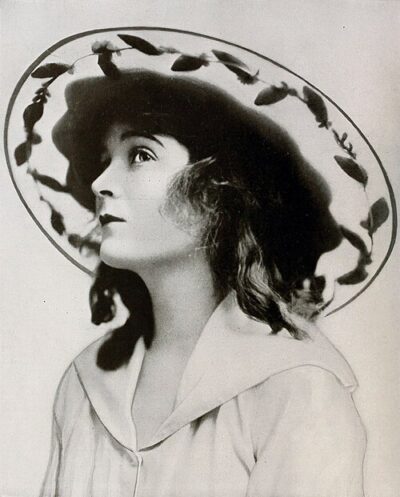
The Birth of a Nation is a 1915 film directed by D. W. Griffith. It stars Lillian Gish, Mae Marsh and Miriam Cooper. It is based on The Clansman.
- Released
- January 1, 1915
- Directed by
- D. W. Griffith
- Genre
- drama film
- Country of origin
- United States
All 23 facts, and where they come from
Facts
23 facts · 0 confirmed by two sources · 6 cited · 17 from one source
Where this comes from
Papalocal keeps its own record. It started from these sources; what each one said is kept here as it was copied, so a change on their side never changes this page by itself. Tap one to read its version.
What Wikidata says · copied November 16, 2026 · revision 2567967252
- Described as
- 1915 film directed by D. W. Griffith
- Other names
- Birth of a Nation
- What it is
- film
- Directed by
- D. W. Griffith
- Music by
- Joseph Carl Breil
- Screenplay by
- D. W. Griffith; Frank E. Woods
- Produced by
- D. W. Griffith
- Starring
- Lillian Gish · 1 reference; Mae Marsh · 1 reference; Miriam Cooper; Henry B. Walthall · 1 reference; Ralph Lewis; George Siegmann; Mary Alden; Walter Long · 1 reference; Robert Harron · 1 reference; Wallace Reid · 1 reference
- Genre
- drama film; historical film; silent film
- Released
- January 1, 1915
- Original language
- English
- Country of origin
- United States
- Based on
- The Clansman
- Wikipedias with a page
- 58
Wikidata item Q220394 (wikidata.org/wiki/Q220394), public domain (CC0). Copied 2026-11-16.
What Wikipedia says · copied November 16, 2026 · revision 1384992799
The Birth of a Nation is a 1915 American silent epic drama film directed by D. W. Griffith and starring Lillian Gish. The screenplay is adapted from Thomas Dixon Jr.'s 1905 novel and play The Clansman: A Historical Romance of the Ku Klux Klan. Griffith co-wrote the screenplay with Frank E. Woods and produced the film with Harry Aitken.
The Birth of a Nation is a landmark of film history, lauded for its technical virtuosity. It was the first non-serial American 12-reel film ever made. Its plot, part fiction and part history, chronicles the relationship of two families in the American Civil War and Reconstruction eras over the course of several years—the pro-Union (Northern) Stonemans and the pro-Confederacy (Southern) Camerons, and also depicts the assassination of Abraham Lincoln by John Wilkes Booth. It was originally shown in two parts separated by an intermission, and it was the first American-made film to have a musical score for an orchestra. It helped to pioneer closeups and fadeouts, and it includes a carefully staged battle sequence with hundreds of extras made to look like thousands. It came with a 13-page Souvenir Program. It was screened inside the White House, where it was watched by President Woodrow Wilson.
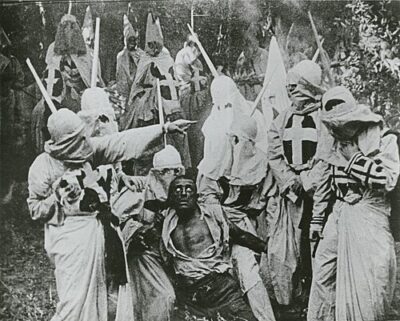
The film was controversial even before its release and has remained so since. It has been called "the most controversial film ever made in the United States", as well as "the most reprehensibly racist film in Hollywood history". The film has been denounced for its racist depiction of African Americans. Its black characters, many of whom are played by white actors in blackface, are portrayed as unintelligent and sexually aggressive toward white women, while a mulatto politician serves as one of the main villains. The Ku Klux Klan (KKK), a white supremacist hate group, is portrayed as a heroic force that protects white women and maintains white supremacy.
Popular among white audiences nationwide upon its release, the film's success was both a consequence of and a contributor to racial segregation throughout the U.S. In response to the film's depictions of black people and Civil War history, African Americans across the U.S. organized and protested. In Boston and other localities, black leaders and the NAACP spearheaded an unsuccessful campaign to have it banned on the basis that it inflamed racial tensions and could incite violence. It was also denied release in the state of Ohio and the cities of Chicago, Denver, Pittsburgh, St. Louis, and Minneapolis. Griffith's indignation at efforts to censor or ban the film motivated him to produce Intolerance the following year.
The Birth of a Nation was a massive commercial success across the nation—grossing far more than any previous motion picture—and it profoundly influenced both the film industry and American culture. Adjusted for inflation, the film remains one of the highest-grossing films ever made. It has been acknowledged as an inspiration for the rebirth of the Ku Klux Klan, which took place only a few months after its release. In 1992, the Library of Congress deemed the film "culturally, historically, or aesthetically significant" and selected it for preservation in the National Film Registry.
From the Wikipedia article “The Birth of a Nation” (en.wikipedia.org/wiki/The_Birth_of_a_Nation), by its contributors, under CC BY-SA 4.0 (creativecommons.org/licenses/by-sa/4.0/). Copied 2026-11-16; not changed.
Confirmed Two sources agree. Cited One source, and it names where it got it. One source One source, without a reference of its own. Sources disagree The sources disagree. We show the best-supported value and keep theirs below.
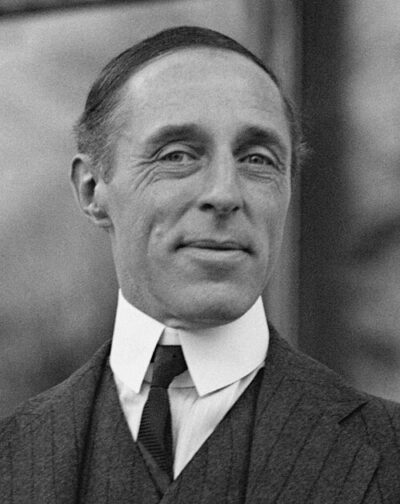
Picture: D. W. Griffith, via Wikimedia Commons · Public domain