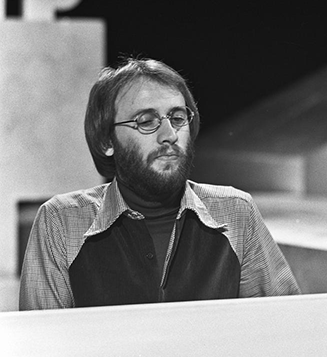
The Bloomfields
The Bloomfields is an English rock band. It was founded in 1970.
- Founded
- 1970
- Genre
- rock music
- Record label
- Pye Records
- Country of origin
- United Kingdom
All 5 facts, and where they come from
Facts
5 facts · 0 confirmed by two sources · 0 cited · 5 from one source
Where this comes from
Papalocal keeps its own record. It started from these sources; what each one said is kept here as it was copied, so a change on their side never changes this page by itself. Tap one to read its version.
What Wikidata says · copied November 17, 2026 · revision 2536370805
- Described as
- English rock band
- Other names
- Vanderstrass, Bloomfield
- What it is
- musical group
- Genre
- rock music
- Country of origin
- United Kingdom
- Record label
- Pye Records
- Founded
- 1970
- Wikipedias with a page
- 2
Wikidata item Q7718698 (wikidata.org/wiki/Q7718698), public domain (CC0). Copied 2026-11-17.
What Wikipedia says · copied November 17, 2026 · revision 1274217125
The Bloomfields were an English rock band formed in 1970 by Maurice Gibb, Billy Lawrie and Johnny Harris.
During the 1969–1970 split among the three Gibb brothers (Barry, Robin and Maurice), which temporarily broke up the Bee Gees, Maurice worked on a number of solo projects, Billy Lawrie is the brother of Scottish singer Lulu. The band recorded a new short version of "The Loner" and was released as a single originally recorded by Maurice on his first solo album The Loner, for use as the main title of a film called Bloomfield. The single's B-side was "Homing in on the Next Trade Wind"; the song was performed by the Heads, Hands and Feet (Johnny Harris was also member of that band). The Bloomfields recorded another two songs for the film included: "Men of Men" and "Ballet of Freedom" both songs recorded in Nova Sound Studios, London and was not released. They only released one single and they disbanded also in that year.
From the Wikipedia article “The Bloomfields” (en.wikipedia.org/wiki/The_Bloomfields), by its contributors, under CC BY-SA 4.0 (creativecommons.org/licenses/by-sa/4.0/). Copied 2026-11-17; not changed.
Confirmed Two sources agree. Cited One source, and it names where it got it. One source One source, without a reference of its own. Sources disagree The sources disagree. We show the best-supported value and keep theirs below.