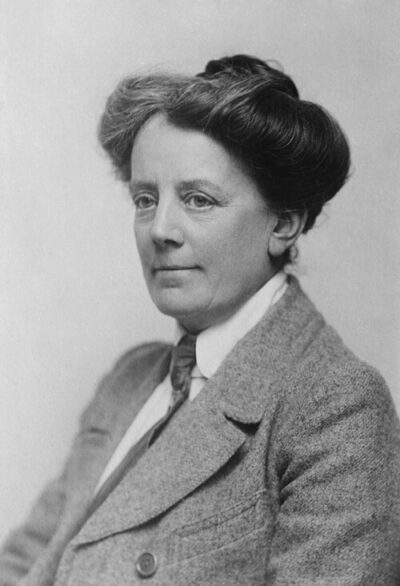
The Boatswain's Mate
The Boatswain's Mate is an opera by Ethel Smyth. It came out in 1914.
- Released
- 1914
- Genre
- modernism
- Country of origin
- United Kingdom
All 6 facts, and where they come from
Facts
6 facts · 0 confirmed by two sources · 1 cited · 5 from one source
Where this comes from
Papalocal keeps its own record. It started from these sources; what each one said is kept here as it was copied, so a change on their side never changes this page by itself. Tap one to read its version.
What Wikidata says · copied November 17, 2026 · revision 2324994978
- Described as
- opera by Ethel Smyth
- What it is
- dramatico-musical work
- Music by
- Ethel Smyth · 1 reference
- Genre
- modernism
- Released
- 1914
- Language
- English
- Country of origin
- United Kingdom
- Wikipedias with a page
- 3
Wikidata item Q7718942 (wikidata.org/wiki/Q7718942), public domain (CC0). Copied 2026-11-17.
What Wikipedia says · copied November 17, 2026 · revision 1283716817
The Boatswain's Mate is an opera in one act (but in two parts) written by British composer and suffragette Ethel Smyth in 1913–14 set to her own libretto, which was based on a story of the same name by W. W. Jacobs.
It was Smyth's fourth opera, and it is sometimes claimed as a feminist opera. The piece centers around a humorous battle of the sexes featuring a feisty and resourceful heroine who outwits her scheming suitor (but perhaps falls for his accomplice—this is left to the speculation of the reader or audience).
In summary, the opera's score has been described by Stephen Banfield as "interspersed with spoken dialogue in part 1, [it] is symphonically constructed around folksongs and Smyth's own March of the Women; its pacing and orchestration are adroitly managed."
From the Wikipedia article “The Boatswain's Mate” (en.wikipedia.org/wiki/The_Boatswain's_Mate), by its contributors, under CC BY-SA 4.0 (creativecommons.org/licenses/by-sa/4.0/). Copied 2026-11-17; not changed.
Confirmed Two sources agree. Cited One source, and it names where it got it. One source One source, without a reference of its own. Sources disagree The sources disagree. We show the best-supported value and keep theirs below.