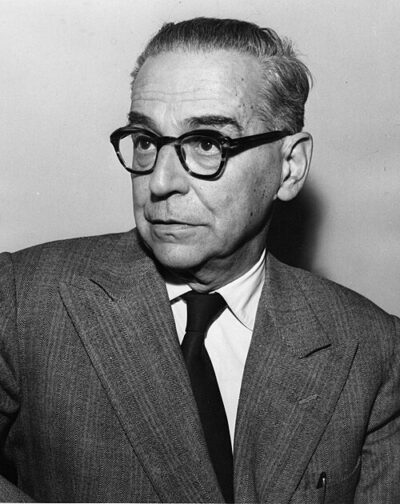
The Bridge on the Drina
The Bridge on the Drina is a novel by Ivo Andrić. It came out in 1945.
- Published
- 1945
- Came out
- July 1942
- Written by
- Ivo Andrić
- Genre
- historical fiction
- Country of origin
- Democratic Federal Yugoslavia
All 9 facts, and where they come from
Facts
9 facts · 0 confirmed by two sources · 0 cited · 9 from one source
Where this comes from
Papalocal keeps its own record. It started from these sources; what each one said is kept here as it was copied, so a change on their side never changes this page by itself. Tap one to read its version.
What Wikidata says · copied November 17, 2026 · revision 2540087896
- Described as
- novel by Ivo Andrić
- What it is
- literary work
- Written by
- Ivo Andrić
- Publisher
- Prosveta
- Genre
- historical fiction
- Published
- 1945; 2001
- Language
- Serbo-Croatian; Serbian
- Country of origin
- Democratic Federal Yugoslavia
- Came out
- July 1942
- Wikipedias with a page
- 38
Wikidata item Q1247865 (wikidata.org/wiki/Q1247865), public domain (CC0). Copied 2026-11-17.
What Wikipedia says · copied November 17, 2026 · revision 1384229137
The Bridge on the Drina is a historical novel by the Yugoslav writer Ivo Andrić. It revolves around the Mehmed Paša Sokolović Bridge in Višegrad, which spans the Drina River and stands as a silent witness to history from its construction by the Ottomans in the mid-16th century until its partial destruction during World War I. The story spans about four centuries and covers the Ottoman and Austro-Hungarian occupations of the region, with a particular emphasis on the lives, destinies, and relations of the local inhabitants, especially Serbs and Bosnian Muslims.
Andrić had been Yugoslavia's ambassador to Germany from 1939 to 1941, during the early years of World War II, and was arrested by the Germans in April 1941, following the German-led Axis invasion of Yugoslavia. In June 1941, he was allowed to return to German-occupied Belgrade but was confined to a friend's apartment in conditions that some biographers liken to house arrest. The novel was one of three that Andrić wrote over the next several years. All three were published in short succession in 1945, following Belgrade's liberation from the Germans. The Bridge on the Drina was published in March of that year to widespread acclaim.
In 1961, Andrić was awarded the Nobel Prize in Literature and his works became subject to international recognition, while at the same time, he expressed a desire for the original manuscript to be donated to the city of Sarajevo, where the Museum of Literature was established. The Bridge on the Drina remains Andrić's best-known work. The Serbian filmmaker Emir Kusturica is planning a cinematic adaption of the novel, for which he has constructed a mock-town named after Andrić not far from the bridge, which was reconstructed after World War I and has been declared a National Monument of Bosnia and Herzegovina by KONS and World Heritage Site by UNESCO.
From the Wikipedia article “The Bridge on the Drina” (en.wikipedia.org/wiki/The_Bridge_on_the_Drina), by its contributors, under CC BY-SA 4.0 (creativecommons.org/licenses/by-sa/4.0/). Copied 2026-11-17; not changed.
Confirmed Two sources agree. Cited One source, and it names where it got it. One source One source, without a reference of its own. Sources disagree The sources disagree. We show the best-supported value and keep theirs below.
Picture: Wikimedia Commons: Mehmed Pasa Sokolovic Bridge Visegrad 1900.JPG · See Commons file page