The Burghers of Calais
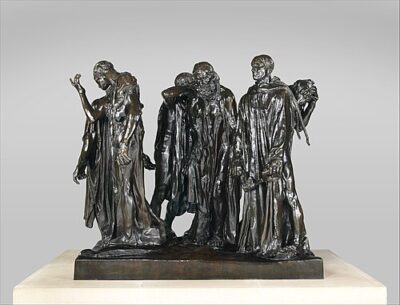
The Burghers of Calais is a Depicts group of 6 burghers walking out wearing nooses around their necks, and carrying the keys to the city and castle (after England captured Calais). One of 12 original castings of Auguste Rodin sculpture. It came out in 1888.
- Came out
- 1888 (1884–)
- Created by
- Auguste Rodin
- Genre
- group of sculptures
All 4 facts, and where they come from
Facts
4 facts · 0 confirmed by two sources · 0 cited · 4 from one source
Where this comes from
Papalocal keeps its own record. It started from these sources; what each one said is kept here as it was copied, so a change on their side never changes this page by itself. Tap one to read its version.
What Wikidata says · copied November 17, 2026 · revision 2563209843
- Described as
- Depicts group of 6 burghers walking out wearing nooses around their necks, and carrying the keys to the city and castle (after England captured Calais). One of 12 original castings of Auguste Rodin sculpture.
- Other names
- Les Bourgeois de Calais, Burghers of Calais
- What it is
- group of casts
- Created by
- Auguste Rodin
- Genre
- group of sculptures
- Came out
- 1888 (1884–)
- Wikipedias with a page
- 31
Wikidata item Q978987 (wikidata.org/wiki/Q978987), public domain (CC0). Copied 2026-11-17.
What Wikipedia says · copied November 17, 2026 · revision 1385810478
The Burghers of Calais (French: Les Bourgeois de Calais) is a sculpture by Auguste Rodin in 12 original castings and numerous copies. It commemorates an event during the Hundred Years' War, when Calais, a French port on the English Channel, surrendered to the English after an 11-month siege. The city commissioned Rodin to create the sculpture in 1884 and the work was completed in 1889.
From the Wikipedia article “The Burghers of Calais” (en.wikipedia.org/wiki/The_Burghers_of_Calais), by its contributors, under CC BY-SA 4.0 (creativecommons.org/licenses/by-sa/4.0/). Copied 2026-11-17; not changed.
Confirmed Two sources agree. Cited One source, and it names where it got it. One source One source, without a reference of its own. Sources disagree The sources disagree. We show the best-supported value and keep theirs below.
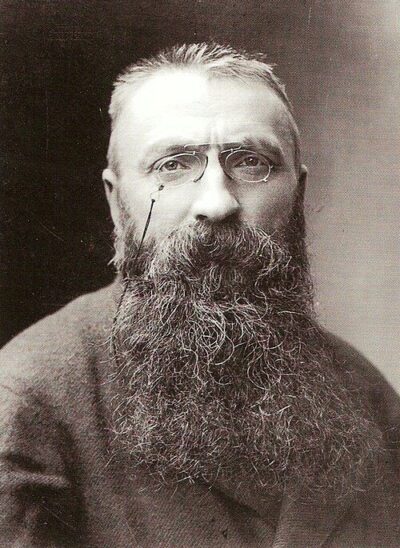
Picture: Auguste Rodin, via Wikimedia Commons · CC0