The Flying Dutchman
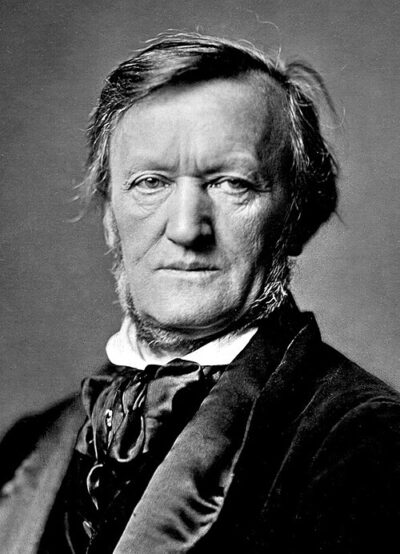
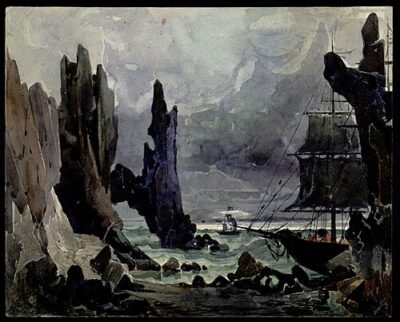
The Flying Dutchman is an opera by Richard Wagner.
- Released
- 19th century
- Genre
- opera
All 5 facts, and where they come from
Facts
5 facts · 0 confirmed by two sources · 2 cited · 3 from one source
Where this comes from
Papalocal keeps its own record. It started from these sources; what each one said is kept here as it was copied, so a change on their side never changes this page by itself. Tap one to read its version.
What Wikidata says · copied November 17, 2026 · revision 2504737833
- Described as
- opera by Richard Wagner
- Other names
- Der fliegende Holländer
- What it is
- dramatico-musical work
- Music by
- Richard Wagner · 1 reference
- Genre
- opera · 1 reference
- Released
- 19th century
- Language
- German
- Wikipedias with a page
- 41
Wikidata item Q114640 (wikidata.org/wiki/Q114640), public domain (CC0). Copied 2026-11-17.
What Wikipedia says · copied November 17, 2026 · revision 1368777769
Der fliegende Holländer (The Flying Dutchman), WWV 63, is a German-language opera, with libretto and music by Richard Wagner. The central theme is redemption through love. Wagner conducted the premiere at the Königliches Hoftheater Dresden in 1843.
Wagner claimed in his 1870 autobiography Mein Leben that he had been inspired to write the opera following a stormy sea crossing he made from Riga to London in July and August 1839. In his 1843 Autobiographic Sketch, Wagner acknowledged he had taken the story from Heinrich Heine's retelling of the legend in his 1833 satirical novel The Memoirs of Mister von Schnabelewopski (Aus den Memoiren des Herrn von Schnabelewopski).
This work shows early attempts at operatic styles that would characterise his later music dramas. In Der fliegende Holländer Wagner uses a number of leitmotifs (literally, "leading motifs") associated with the characters and themes. The leitmotifs are all introduced in the overture, which begins with a well-known ocean or storm motif before moving into the Dutchman and Senta motifs.
Wagner originally wrote the work to be performed without intermission – an example of his efforts to break with tradition – and, while today's opera houses often still follow this directive, it is also performed in the published three-act version.
The autograph manuscript of the opera is preserved in the Richard Wagner Foundation.
From the Wikipedia article “Der fliegende Holländer” (en.wikipedia.org/wiki/Der_fliegende_Holländer), by its contributors, under CC BY-SA 4.0 (creativecommons.org/licenses/by-sa/4.0/). Copied 2026-11-17; not changed.
Confirmed Two sources agree. Cited One source, and it names where it got it. One source One source, without a reference of its own. Sources disagree The sources disagree. We show the best-supported value and keep theirs below.
Picture: Tito Azzolini, via Wikimedia Commons · CC BY-SA 4.0