The Formation of Vegetable Mould through the Action of Worms
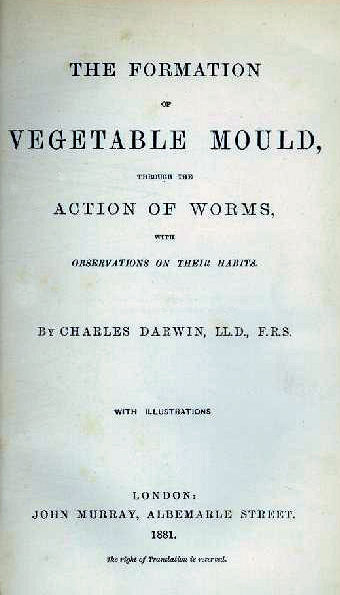
The Formation of Vegetable Mould through the Action of Worms is a Scientific book about earthworms by Charles Darwin, 1881.
- Written by
- Charles Darwin
- Country of origin
- England
All 6 facts, and where they come from
Facts
6 facts · 0 confirmed by two sources · 0 cited · 6 from one source
Where this comes from
Papalocal keeps its own record. It started from these sources; what each one said is kept here as it was copied, so a change on their side never changes this page by itself. Tap one to read its version.
What Wikidata says · copied November 17, 2026 · revision 2542210092
- Described as
- Scientific book about earthworms by Charles Darwin, 1881
- What it is
- literary work
- Written by
- Charles Darwin
- Publisher
- John Murray
- Language
- English
- Country of origin
- England · 1 reference
- Comes after
- The Power of Movement in Plants
- Wikipedias with a page
- 15
Wikidata item Q917790 (wikidata.org/wiki/Q917790), public domain (CC0). Copied 2026-11-17.
What Wikipedia says · copied November 17, 2026 · revision 1384326869
The Formation of Vegetable Mould Through the Action of Worms, with Observations on their Habits (sometimes shortened to Worms) is an 1881 book by Charles Darwin on earthworms. It was his last scientific book, and was published shortly before his death (see Darwin from Insectivorous Plants to Worms). Exploring earthworm behaviour and ecology, it continued the theme common throughout his work that gradual changes over long periods of time can lead to large and sometimes surprising consequences. It was the first significant work on soil bioturbation, although that term was not used by Darwin (it first appeared in the soil and geomorphic literature one hundred years later).
From the Wikipedia article “The Formation of Vegetable Mould Through the Action of Worms” (en.wikipedia.org/wiki/The_Formation_of_Vegetable_Mould_Through_the_Action_of_Worms), by its contributors, under CC BY-SA 4.0 (creativecommons.org/licenses/by-sa/4.0/). Copied 2026-11-17; not changed.
Confirmed Two sources agree. Cited One source, and it names where it got it. One source One source, without a reference of its own. Sources disagree The sources disagree. We show the best-supported value and keep theirs below.
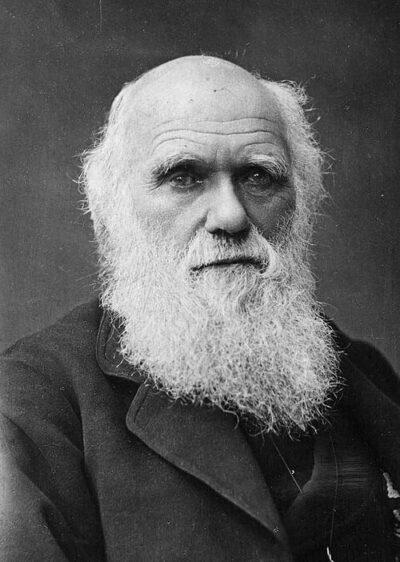
Picture: Charles Darwin, via Wikimedia Commons · Public domain