The Future
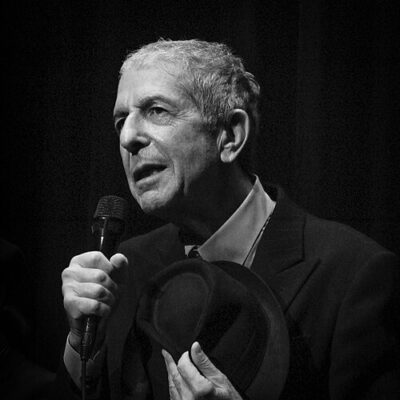
The Future is a 1992 studio album by Leonard Cohen.
- Released
- November 24, 1992
- Performed by
- Leonard Cohen
- Genre
- rock music
All 9 facts, and where they come from
Facts
9 facts · 0 confirmed by two sources · 0 cited · 9 from one source
Where this comes from
Papalocal keeps its own record. It started from these sources; what each one said is kept here as it was copied, so a change on their side never changes this page by itself. Tap one to read its version.
What Wikidata says · copied November 16, 2026 · revision 2568215584
- Described as
- 1992 studio album by Leonard Cohen
- What it is
- album
- Performed by
- Leonard Cohen
- Produced by
- Leonard Cohen
- Genre
- rock music; folk music; soft rock
- Released
- November 24, 1992
- Language
- English
- Record label
- Columbia Records
- Wikipedias with a page
- 21
Wikidata item Q552254 (wikidata.org/wiki/Q552254), public domain (CC0). Copied 2026-11-16.
What Wikipedia says · copied November 16, 2026 · revision 1381988952
The Future is the ninth studio album by the Canadian singer-songwriter Leonard Cohen, released in 1992. Almost an hour in length, it was Cohen's longest album up to that date. Both the fall of the Berlin Wall and the 1992 Los Angeles riots took place while Cohen was writing and recording the album, which expressed his sense of the world's turbulence. The album was recorded with a large cast of musicians and engineers in several different studios; the credits list almost 30 female singers. The album built on the success of Cohen's previous album, I'm Your Man, and garnered overwhelmingly positive reviews. The Future made the Top 40 in the UK album charts, went double platinum in Canada, and sold a quarter of a million copies in the U.S., which had previously been unenthusiastic about Cohen's albums.
From the Wikipedia article “The Future (Leonard Cohen album)” (en.wikipedia.org/wiki/The_Future_(Leonard_Cohen_album)), by its contributors, under CC BY-SA 4.0 (creativecommons.org/licenses/by-sa/4.0/). Copied 2026-11-16; not changed.
Confirmed Two sources agree. Cited One source, and it names where it got it. One source One source, without a reference of its own. Sources disagree The sources disagree. We show the best-supported value and keep theirs below.