The German Ideology
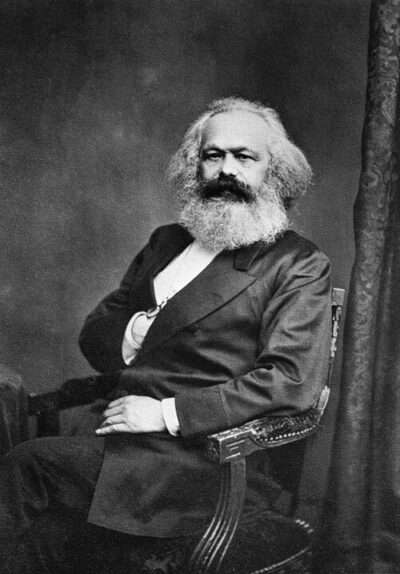
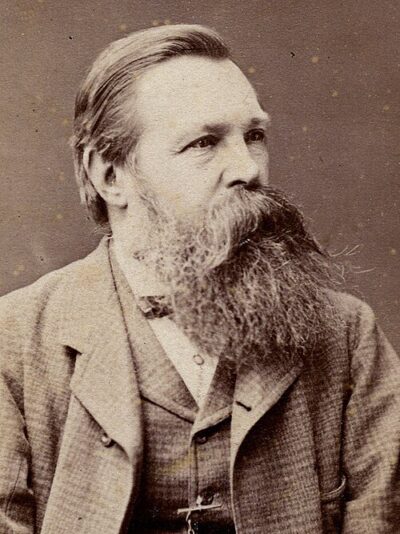
The German Ideology is a manuscripts written by Karl Marx and Friedrich Engels in 1846. It came out in 1932.
- Published
- 1932
- Came out
- 1840s (1845–1846)
- Written by
- Karl Marx
- Genre
- philosophical non-fiction literature
All 8 facts, and where they come from
Facts
8 facts · 0 confirmed by two sources · 0 cited · 8 from one source
Where this comes from
Papalocal keeps its own record. It started from these sources; what each one said is kept here as it was copied, so a change on their side never changes this page by itself. Tap one to read its version.
What Wikidata says · copied November 16, 2026 · revision 2556705160
- Described as
- manuscripts written by Karl Marx and Friedrich Engels in 1846
- Other names
- Deutsche Ideologie
- What it is
- written work
- Written by
- Karl Marx; Friedrich Engels
- Genre
- philosophical non-fiction literature; essay · 1 reference
- Published
- 1932
- Language
- German
- Came out
- 1840s (1845–1846)
- Wikipedias with a page
- 32
Wikidata item Q470600 (wikidata.org/wiki/Q470600), public domain (CC0). Copied 2026-11-16.
What Wikipedia says · copied November 16, 2026 · revision 1384800238
The German Ideology (German: Die Deutsche Ideologie) is a work written by Karl Marx and Friedrich Engels in 1845–1846. After their failure to find a publisher, Marx famously remarked that they had left it to "the gnawing criticism of the mice"; it went unpublished during their lifetimes. The book as it is known today is an editorial construction from the manuscripts first published in their entirety in 1932 by the Marx-Engels Institute in Moscow. It marks the authors' definitive break from German idealism and sets the foundation for their later economic and political works, including The Communist Manifesto and Das Kapital.
The German Ideology is a major work of political and philosophical thought, considered the first to be recognizably "Marxist". In it, Marx and Engels articulate for the first time their materialist conception of history, also known as historical materialism. This new worldview posits that the material conditions of individuals' lives—specifically their mode of production—form the basis of society and that consciousness and ideas are products of these material realities, not the other way around. The famous formulation, "Life is not determined by consciousness, but consciousness by life," originates from this text.
The published book is divided into three parts, though the original manuscript was left incomplete and unrevised. Part I, "Feuerbach", contains the most systematic exposition of historical materialism and is the most frequently published and studied section, often being read in isolation. Parts II and III consist of detailed and often satirical polemics against some of their fellow German philosophers, particularly Bruno Bauer and Max Stirner, as well as a critique of "True Socialism". Marx and Engels accused these "Young Hegelians" of engaging in a purely philosophical struggle against "phrases" rather than critiquing the real, material world from which those phrases arose.
From the Wikipedia article “The German Ideology” (en.wikipedia.org/wiki/The_German_Ideology), by its contributors, under CC BY-SA 4.0 (creativecommons.org/licenses/by-sa/4.0/). Copied 2026-11-16; not changed.
Confirmed Two sources agree. Cited One source, and it names where it got it. One source One source, without a reference of its own. Sources disagree The sources disagree. We show the best-supported value and keep theirs below.
Picture: Wikimedia Commons: Немецкая идеология (первая страница рукописи).png · See Commons file page