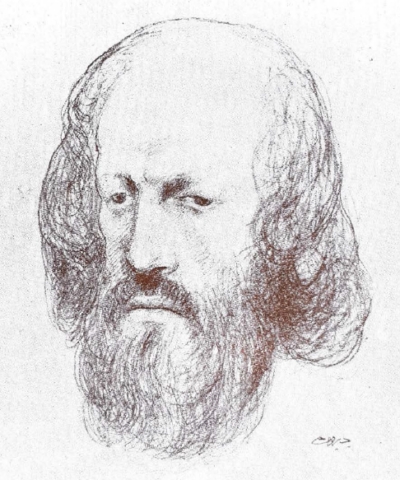
The Incoherence of the Philosophers
The Incoherence of the Philosophers is a 1095 CE book by Al-Ghazali.
- Published
- 1095
- Written by
- Al-Ghazali
All 4 facts, and where they come from
Facts
4 facts · 0 confirmed by two sources · 1 cited · 3 from one source
Where this comes from
Papalocal keeps its own record. It started from these sources; what each one said is kept here as it was copied, so a change on their side never changes this page by itself. Tap one to read its version.
What Wikidata says · copied November 17, 2026 · revision 2560535547
- Described as
- 1095 CE book by Al-Ghazali
- Other names
- Tahāfut al-falāsifaẗ
- What it is
- literary work
- Written by
- Al-Ghazali
- Published
- 1095 · 1 reference
- Language
- Arabic
- Wikipedias with a page
- 19
Wikidata item Q2736005 (wikidata.org/wiki/Q2736005), public domain (CC0). Copied 2026-11-17.
What Wikipedia says · copied November 17, 2026 · revision 1369381819
The Incoherence of the Philosophers (Arabic: تهافت الفلاسفة, romanized: Tahāfut al-Falāsifa) is a landmark 11th-century work by the Muslim polymath al-Ghazali, a student of the Asharite school of Islamic theology, criticizing the Avicennian school of early Islamic philosophy. Muslim philosophers such as Ibn Sina (Avicenna) and al-Farabi (Alpharabius) are denounced in this book, as they follow Greek philosophy even when, in the author's perception, it contradicts Islam. The text was dramatically successful, and marked a milestone in the ascendance of the Asharite school within Islamic philosophy and theological discourse.
The book favors faith over philosophy in matters specifically concerning metaphysics or knowledge of the divine.
From the Wikipedia article “The Incoherence of the Philosophers” (en.wikipedia.org/wiki/The_Incoherence_of_the_Philosophers), by its contributors, under CC BY-SA 4.0 (creativecommons.org/licenses/by-sa/4.0/). Copied 2026-11-17; not changed.
Confirmed Two sources agree. Cited One source, and it names where it got it. One source One source, without a reference of its own. Sources disagree The sources disagree. We show the best-supported value and keep theirs below.