The Luckey Chance
The Luckey Chance is a play by Aphra Behn (London : R.H. for W. Canning, 1687.). It came out in 1686.
- Published
- 1686
- Written by
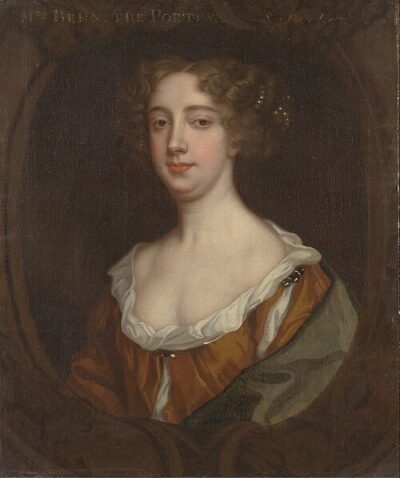
- Aphra Behn
- Genre
- comedy
All 5 facts, and where they come from
Facts
5 facts · 0 confirmed by two sources · 0 cited · 5 from one source
Where this comes from
Papalocal keeps its own record. It started from these sources; what each one said is kept here as it was copied, so a change on their side never changes this page by itself. Tap one to read its version.
What Wikidata says · copied November 17, 2026 · revision 2355238211
- Described as
- play by Aphra Behn (London : R.H. for W. Canning, 1687.)
- Other names
- The Lucky Chance, or an Alderman's Bargain. A comedy., The Lucky Chance
- What it is
- literary work
- Written by
- Aphra Behn
- Genre
- comedy
- Published
- 1686
- Language
- English · 1 reference
- Wikipedias with a page
- 1
Wikidata item Q55635364 (wikidata.org/wiki/Q55635364), public domain (CC0). Copied 2026-11-17.
What Wikipedia says · copied November 17, 2026 · revision 1369817872
The Luckey Chance, or an Alderman's Bargain by Aphra Behn is a 17th-century comedy in five acts. The play was first staged in the Spring of 1686. Its main theme is romance and it includes devices such as impersonation and disguise, and a masque including music and dancing. Some songs were composed by John Blow.
The play continues to be performed. In 1984 it was performed at the Royal Court Theatre as the first production of the Women's Playhouse Trust (now known as The Wapping Project). A version in 1960s dress was staged by Echo Theatre in 2013 at the Bath House Cultural Center in Texas, United States.
From the Wikipedia article “The Luckey Chance” (en.wikipedia.org/wiki/The_Luckey_Chance), by its contributors, under CC BY-SA 4.0 (creativecommons.org/licenses/by-sa/4.0/). Copied 2026-11-17; not changed.
Confirmed Two sources agree. Cited One source, and it names where it got it. One source One source, without a reference of its own. Sources disagree The sources disagree. We show the best-supported value and keep theirs below.