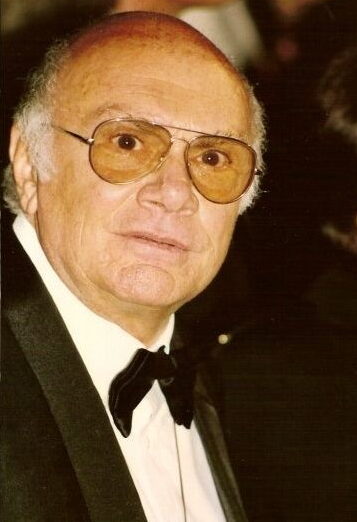
The Mattei Affair
The Mattei Affair is a 1972 film directed by Francesco Rosi. It stars Gian Maria Volonte, Luigi Squarzina and Edda Ferronao. It won the Palme d'Or.
- Released
- 1972
- Directed by
- Francesco Rosi
- Genre
- drama film
- Country of origin
- Italy
All 22 facts, and where they come from
Facts
22 facts · 0 confirmed by two sources · 4 cited · 18 from one source
Where this comes from
Papalocal keeps its own record. It started from these sources; what each one said is kept here as it was copied, so a change on their side never changes this page by itself. Tap one to read its version.
What Wikidata says · copied November 17, 2026 · revision 2538008226
- Described as
- 1972 film directed by Francesco Rosi
- Other names
- Il Caso Mattei, Mattei Affair, Il caso Mattei
- What it is
- film
- Directed by
- Francesco Rosi · 2 references
- Music by
- Piero Piccioni
- Screenplay by
- Tonino Guerra; Francesco Rosi
- Produced by
- Franco Cristaldi
- Starring
- Gian Maria Volonte; Luigi Squarzina; Edda Ferronao · 1 reference; Accursio Di Leo; Furio Colombo; Peter Baldwin · 1 reference; Aldo Barberito; Arrigo Benedetti; Sennuccio Benelli; Franco Graziosi
- Genre
- drama film · 1 reference
- Released
- 1972
- Original language
- Italian; English · 1 reference
- Country of origin
- Italy
- Awards
- Palme d'Or (1972)
- Wikipedias with a page
- 22
Wikidata item Q2755251 (wikidata.org/wiki/Q2755251), public domain (CC0). Copied 2026-11-17.
What Wikipedia says · copied November 17, 2026 · revision 1363783644
The Mattei Affair (Italian: Il Caso Mattei) is a 1972 Italian drama film directed by Francesco Rosi. It depicts the life and mysterious death of Enrico Mattei, an Italian businessman who in the aftermath of World War II managed to avoid the sale of the nascent Italian oil and hydrocarbon industry to US companies and developed them in the Eni, a state-owned oil company which rivaled the "Seven Sisters" for oil and gas deals in Northern African and Middle Eastern countries.
The film shared the Grand Prix with The Working Class Goes to Heaven at the 1972 Cannes Film Festival. Italian star Gian Maria Volonté was the leading actor in both films.
The film is an innovative hybrid of documentary and fiction, representing Francesco Rosi's concept of cine-inchieste (film investigation). The flashback structure shows the influence of Citizen Kane and Rosi's Salvatore Giuliano (1962). Rosi remains faithful to his neo-realist roots with on-location shooting and non-professional actors. The main plot is interwoven with a fictionalized account of the director's own investigation into the death of his friend, the journalist Mauro De Mauro, who disappeared while doing research for the film. He was killed by the Sicilian Mafia, but like the death of Mattei, De Mauro's case was never solved.
In 2008, the film was included among the Italian Ministry of Cultural Heritage’s 100 Italian films to be saved, a list of 100 films that "have changed the collective memory of the country between 1942 and 1978."
From the Wikipedia article “The Mattei Affair” (en.wikipedia.org/wiki/The_Mattei_Affair), by its contributors, under CC BY-SA 4.0 (creativecommons.org/licenses/by-sa/4.0/). Copied 2026-11-17; not changed.
Confirmed Two sources agree. Cited One source, and it names where it got it. One source One source, without a reference of its own. Sources disagree The sources disagree. We show the best-supported value and keep theirs below.
Picture: Wikimedia Commons: Il caso Mattei Rosi.png · See Commons file page