The Mayor of Zalamea
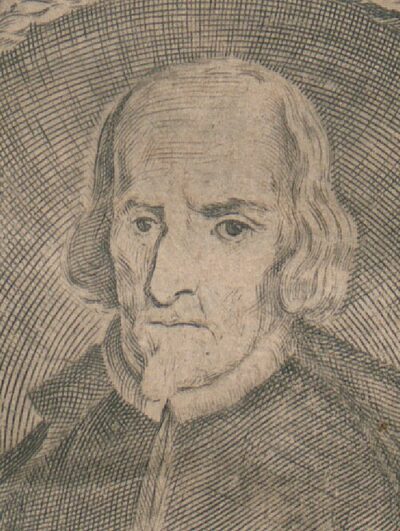
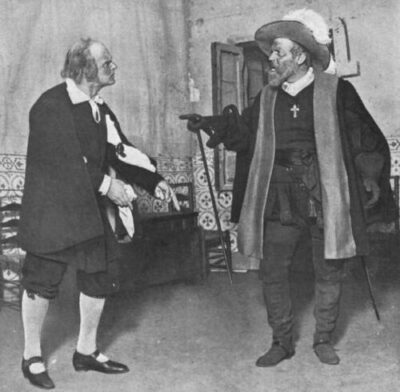
The Mayor of Zalamea is a play by Pedro Calderón de la Barca. It came out in 1651.
- Published
- 1651
- Written by
- Pedro Calderón de la Barca
- Genre
- drama fiction
- Country of origin
- Spain
All 6 facts, and where they come from
Facts
6 facts · 0 confirmed by two sources · 0 cited · 6 from one source
Where this comes from
Papalocal keeps its own record. It started from these sources; what each one said is kept here as it was copied, so a change on their side never changes this page by itself. Tap one to read its version.
What Wikidata says · copied November 17, 2026 · revision 2450339367
- Described as
- play by Pedro Calderón de la Barca
- What it is
- literary work
- Written by
- Pedro Calderón de la Barca
- Genre
- drama fiction · 1 reference
- Published
- 1651 · 1 reference
- Language
- Spanish
- Country of origin
- Spain
- Wikipedias with a page
- 16
Wikidata item Q686158 (wikidata.org/wiki/Q686158), public domain (CC0). Copied 2026-11-17.
What Wikipedia says · copied November 17, 2026 · revision 1370208003
The Mayor of Zalamea (Spanish: El Alcalde de Zalamea) is a play written by Pedro Calderón de la Barca (1600–1681) during the Golden Age of Spanish drama. It was probably written in 1636. It is likely the play had its premiere on May 12, 1636 in the court of Philip IV of Spain. It pays homage to a play by the same name by Lope de Vega, which it surpassed in fame through its superior character development, becoming one of the most well-known plays of its time. This play has three acts that explore the power of the self-made man against the political authorities of 17th century Spanish society, and the continuous struggle between corporate and individual honor. The play was first staged on Broadway in 1945 at the Majestic Theatre with a cast led by Herbert Berghof under the direction of James Light.
From the Wikipedia article “The Mayor of Zalamea” (en.wikipedia.org/wiki/The_Mayor_of_Zalamea), by its contributors, under CC BY-SA 4.0 (creativecommons.org/licenses/by-sa/4.0/). Copied 2026-11-17; not changed.
Confirmed Two sources agree. Cited One source, and it names where it got it. One source One source, without a reference of its own. Sources disagree The sources disagree. We show the best-supported value and keep theirs below.
Picture: Unknown author, via Wikimedia Commons · Public domain