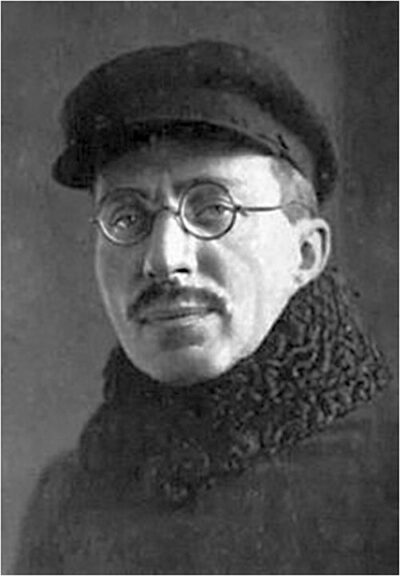
The Pedagogical Poem
The Pedagogical Poem is a 1935 novel by Anton Makarenko.
- Published
- 1935
- Written by
- Anton Makarenko
- Genre
- short novel
- Country of origin
- Soviet Union
All 8 facts, and where they come from
Facts
8 facts · 0 confirmed by two sources · 0 cited · 8 from one source
Where this comes from
Papalocal keeps its own record. It started from these sources; what each one said is kept here as it was copied, so a change on their side never changes this page by itself. Tap one to read its version.
What Wikidata says · copied November 17, 2026 · revision 2549988929
- Described as
- 1935 novel by Anton Makarenko
- What it is
- literary work
- Written by
- Anton Makarenko
- Publisher
- Khudozhestvennaya Literatura
- Genre
- short novel
- Published
- 1935
- Language
- Russian
- Country of origin
- Soviet Union · 1 reference
- Followed by
- Flags on the Battlements · 1 reference
- Wikipedias with a page
- 13
Wikidata item Q2905204 (wikidata.org/wiki/Q2905204), public domain (CC0). Copied 2026-11-17.
What Wikipedia says · copied November 17, 2026 · revision 1384415846
The Pedagogical Poem (Russian: Педагогическая поэма, romanized: Pedagogičeskaâ poèma, published in English as Road to Life) is widely known throughout the world as the most significant work of the Soviet educator and writer A.S. Makarenko (1888-1939). The 1925-1935 novel contains an artistic and documentary description of the formation (in 1920 near Poltava) and the leadership (by the author until the middle of 1928) of the Gorky Colony (named after Gorky), where it was possible to very successfully return homeless minors and offenders to a full-fledged and cultural social life on the basis of feasible socially useful work and of thoughtful and reasonable involvement of the pupils in co-management of a single team.
From the Wikipedia article “The Pedagogical Poem” (en.wikipedia.org/wiki/The_Pedagogical_Poem), by its contributors, under CC BY-SA 4.0 (creativecommons.org/licenses/by-sa/4.0/). Copied 2026-11-17; not changed.
Confirmed Two sources agree. Cited One source, and it names where it got it. One source One source, without a reference of its own. Sources disagree The sources disagree. We show the best-supported value and keep theirs below.