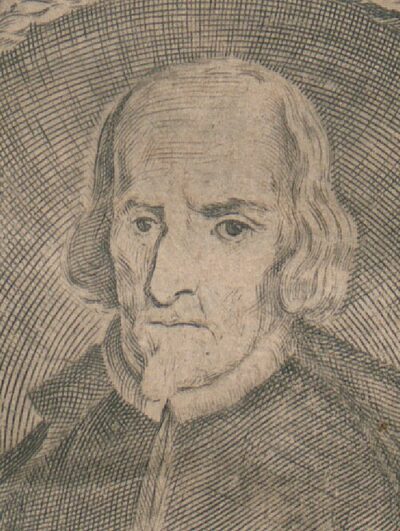
The Phantom Lady
The Phantom Lady is a comedy by Calderón de la Barca. It came out in 1636. It was written by Pedro Calderón de la Barca.
- Published
- 1636
- Came out
- 1629
- Written by
- Pedro Calderón de la Barca
- Genre
- comedy
- Country of origin
- Spain
All 7 facts, and where they come from
Facts
7 facts · 0 confirmed by two sources · 0 cited · 6 from one source · 1 where the sources disagree
What’s different
- Came out: we show 1629 (Sources disagree). Wikidata also lists 1636
Where this comes from
Papalocal keeps its own record. It started from these sources; what each one said is kept here as it was copied, so a change on their side never changes this page by itself. Tap one to read its version.
What Wikidata says · copied November 17, 2026 · revision 2567025437
- Described as
- comedy by Calderón de la Barca
- What it is
- literary work
- Written by
- Pedro Calderón de la Barca
- Genre
- comedy · 1 reference
- Published
- 1636 · 1 reference
- Language
- Spanish
- Country of origin
- Spain
- Came out
- 1629; 1636
- Wikipedias with a page
- 8
Wikidata item Q4154359 (wikidata.org/wiki/Q4154359), public domain (CC0). Copied 2026-11-17.
What Wikipedia says · copied November 17, 2026 · revision 1364268401
The Phantom Lady (Spanish: La dama duende) is a play by Spanish playwright Pedro Calderón de la Barca. It was written and performed in 1629 and was published for the first time in the Primera parte de comedias de don Pedro Calderón de la Barca (1636).
The Phantom Lady is a cloak and dagger play (de capa y espada) which follows the plot of the Invisible Mistress. This plot derives from the myth of Cupid and Psyche, but inverts the role of the protagonists. In the plot and in the Spanish play, it is the man's curiosity which leads him to meet and fall in love with the invisible woman; that is, with a woman who is either hidden, veiled or encountered in the dark. The Invisible Mistress plot is already found in Italian novelle by Masuccio Salernitano and Matteo Bandello. Even though Calderón uses elements from Lope de Vega's play La viuda valenciana, his main model is an interpolated story in El soldado Píndaro by Gonzalo de Céspedes y Meneses (1626). As is common in cloak and sword plays, it is the woman, in this case Doña Ángela, who propels the action. Her objective is to conquer Don Manuel while avoiding the attention of her two brothers, who watch over her. In order to communicate with Don Manuel, the lady uses an ingenious device, which creates an ambiance of supernatural mystery, thus referring to the title of the play.
From the Wikipedia article “The Phantom Lady” (en.wikipedia.org/wiki/The_Phantom_Lady), by its contributors, under CC BY-SA 4.0 (creativecommons.org/licenses/by-sa/4.0/). Copied 2026-11-17; not changed.
Confirmed Two sources agree. Cited One source, and it names where it got it. One source One source, without a reference of its own. Sources disagree The sources disagree. We show the best-supported value and keep theirs below.
Picture: Wikimedia Commons: Calderón de la Barca - Comedias Sueltas - La dama duende.jpg · See Commons file page