The Promised Land
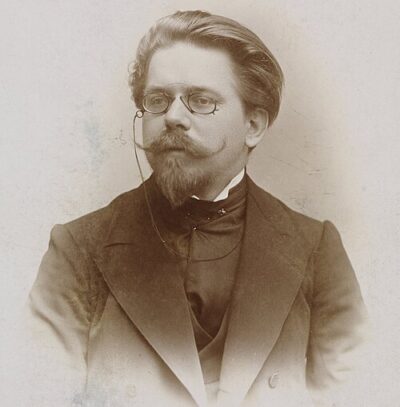
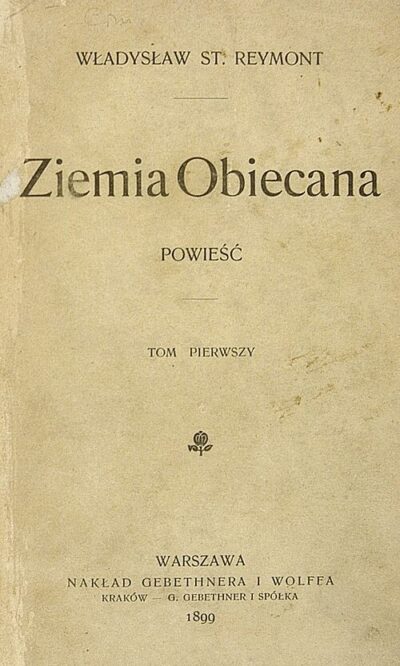
The Promised Land is a book by Władysław Reymont. It came out in 1899.
- Published
- 1899
- Written by
- Władysław Reymont
- Genre
- serialized fiction
- Country of origin
- Congress Poland
All 8 facts, and where they come from
Facts
8 facts · 0 confirmed by two sources · 2 cited · 6 from one source
Where this comes from
Papalocal keeps its own record. It started from these sources; what each one said is kept here as it was copied, so a change on their side never changes this page by itself. Tap one to read its version.
What Wikidata says · copied November 17, 2026 · revision 2568414289
- Described as
- book by Władysław Reymont
- What it is
- literary work
- Written by
- Władysław Reymont · 1 reference
- Publisher
- Gebethner i Wolff · 1 reference
- Genre
- serialized fiction
- Published
- 1899 · 1 reference
- Language
- Polish
- Country of origin
- Congress Poland
- Followed by
- The Peasants · 1 reference
- Wikipedias with a page
- 12
Wikidata item Q3656167 (wikidata.org/wiki/Q3656167), public domain (CC0). Copied 2026-11-17.
What Wikipedia says · copied November 17, 2026 · revision 1384305948
The Promised Land (Polish: Ziemia obiecana, Polish pronunciation: [ˈʑɛmʲa ɔbʲɛˈt͡sana]) is an 1899 novel by the Polish author and Nobel laureate, Władysław Reymont; first published in Warsaw. It is considered one of his most important works after The Peasants. The novel The Promised Land was originally published as installments in the industrial city of Łódź by the daily Kurier Codzienny from 1897 to 1898.
Set in Łódź, The Promised Land tells the story of three close friends and ruthless young industrialists: a Pole, a German and a Jew, struggling to build their own factory in the heartless world of the late 19th century labour exploitation. Reymont's novel vividly paints a portrait of the rapid industrialization of Łódź and its cruel effects on workers and mill owners. Reymont writes: "For that 'promised land' – for that tumor – villages were deserted, forests died out, the land was depleted of its treasures, the rivers dried up, people were born. And it sucked everything into itself. And in its powerful jaws it crushed and chewed up people and things, sky and earth, in return giving useless millions to a handful of people, and hunger and hardship to the whole throng". It was translated into English by Michael Henry Dziewicki in 1927.
From the Wikipedia article “The Promised Land (novel)” (en.wikipedia.org/wiki/The_Promised_Land_(novel)), by its contributors, under CC BY-SA 4.0 (creativecommons.org/licenses/by-sa/4.0/). Copied 2026-11-17; not changed.
Confirmed Two sources agree. Cited One source, and it names where it got it. One source One source, without a reference of its own. Sources disagree The sources disagree. We show the best-supported value and keep theirs below.
Picture: Władysław Reymont, via Wikimedia Commons · Public domain