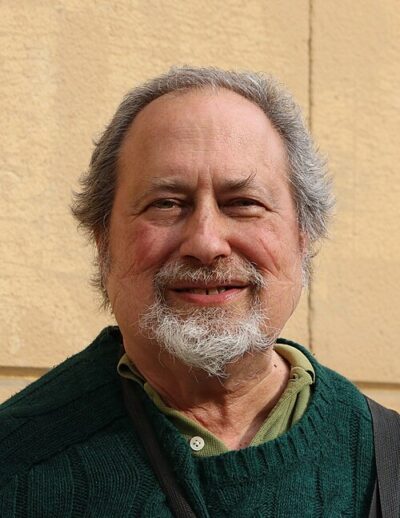
The Right to Read
The Right to Read is a short story by Richard Stallman. It came out in 1997.
- Published
- February 1997
- Written by
- Richard Stallman
- Genre
- dystopian literature
- Country of origin
- United States
All 7 facts, and where they come from
Facts
7 facts · 0 confirmed by two sources · 0 cited · 7 from one source
Where this comes from
Papalocal keeps its own record. It started from these sources; what each one said is kept here as it was copied, so a change on their side never changes this page by itself. Tap one to read its version.
What Wikidata says · copied November 16, 2026 · revision 2459837084
- Described as
- short story by Richard Stallman
- What it is
- literary work
- Written by
- Richard Stallman
- Genre
- dystopian literature; cautionary tale
- Published
- February 1997
- Language
- English
- Country of origin
- United States
- Wikipedias with a page
- 6
Wikidata item Q3179234 (wikidata.org/wiki/Q3179234), public domain (CC0). Copied 2026-11-16.
What Wikipedia says · copied November 16, 2026 · revision 1351967257
The Right to Read is a short story by Richard Stallman, the founder of the Free Software Foundation, which was first published in 1997 in Communications of the ACM. It is a cautionary tale set in the year 2047, when copy protection technologies are employed to restrict the readership of books, and the sharing of books and written material is a crime punishable by imprisonment.
In particular, the story touches on the impact of such a system on university students, due to their need for materials, one (Dan Halbert) of whom is forced into a dilemma in which he must decide whether to loan his computer to a fellow student (Lissa Lenz), who would then have the ability to illegally access his purchased documents.
It is notable for being written before the use of Digital Rights Management (DRM) technology was widespread (although DVD video discs which used DRM had appeared the year before, and various proprietary software since the 1970s had made use of some form of copy protection), and for predicting later hardware-based attempts to restrict how users could use content, such as Trusted Computing.
From the Wikipedia article “The Right to Read” (en.wikipedia.org/wiki/The_Right_to_Read), by its contributors, under CC BY-SA 4.0 (creativecommons.org/licenses/by-sa/4.0/). Copied 2026-11-16; not changed.
Confirmed Two sources agree. Cited One source, and it names where it got it. One source One source, without a reference of its own. Sources disagree The sources disagree. We show the best-supported value and keep theirs below.