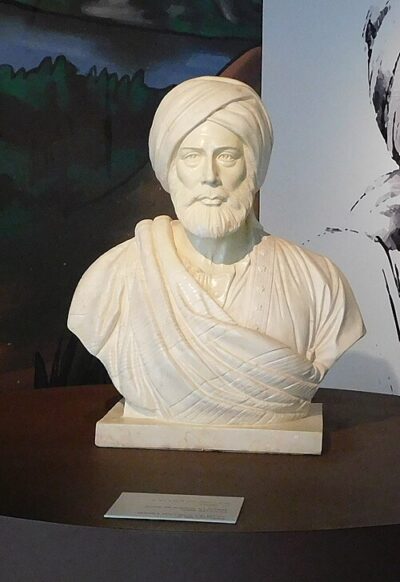
The Rihla
The Rihla is a travelogue written by Ibn Battuta. It came out in 1354.
- Published
- 14th century
- Came out
- 1354
- Written by
- Ibn Battuta
- Genre
- travel book
- Country of origin
- Marinid dynasty
All 7 facts, and where they come from
Facts
7 facts · 0 confirmed by two sources · 0 cited · 7 from one source
Where this comes from
Papalocal keeps its own record. It started from these sources; what each one said is kept here as it was copied, so a change on their side never changes this page by itself. Tap one to read its version.
What Wikidata says · copied November 17, 2026 · revision 2511678784
- Described as
- travelogue written by Ibn Battuta
- Other names
- A Gift to Those Who Contemplate the Wonders of Cities and the Marvels of Traveling, A Masterpiece to Those Who Contemplate the Wonders of Cities and the Marvels of Travelling
- What it is
- written work
- Written by
- Ibn Battuta
- Genre
- travel book
- Published
- 14th century
- Language
- Arabic
- Country of origin
- Marinid dynasty
- Came out
- 1354
- Wikipedias with a page
- 11
Wikidata item Q60797163 (wikidata.org/wiki/Q60797163), public domain (CC0). Copied 2026-11-17.
What Wikipedia says · copied November 17, 2026 · revision 1384471376
The Travels of Ibn Battuta (Arabic: تحفة النظار في غرائب الأمصار وعجائب الأسفار, romanized: Tuḥfat an-nuẓẓār fī gharāʾib al-amṣār wa-ʿajāʾib al-asfār, lit. 'A gift for the curious, concerning the wonders of cities and marvels of the journeys thereto'), also known simply as The Riḥla (الرحلة ar-riḥla), is the 14th century travelogue documenting Ibn Battuta's lifetime of travel and exploration, which according to his description covered about 73,000 miles (117,000 km). Rihla is the Arabic word for a voyage or journey, and it is a genre of travel writing in Arabic literature.
From the Wikipedia article “The Travels of Ibn Battuta” (en.wikipedia.org/wiki/The_Travels_of_Ibn_Battuta), by its contributors, under CC BY-SA 4.0 (creativecommons.org/licenses/by-sa/4.0/). Copied 2026-11-17; not changed.
Confirmed Two sources agree. Cited One source, and it names where it got it. One source One source, without a reference of its own. Sources disagree The sources disagree. We show the best-supported value and keep theirs below.