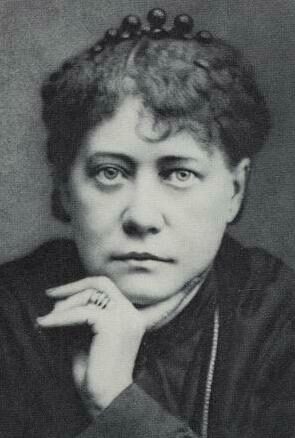
The Secret Doctrine
The Secret Doctrine is a non-fiction work by Helena Blavatsky. It came out in 1888.
- Published
- 1888
- Came out
- 1884
- Written by
- Helena Blavatsky
- Genre
- non-fiction
All 7 facts, and where they come from
Facts
7 facts · 0 confirmed by two sources · 0 cited · 7 from one source
Where this comes from
Papalocal keeps its own record. It started from these sources; what each one said is kept here as it was copied, so a change on their side never changes this page by itself. Tap one to read its version.
What Wikidata says · copied November 16, 2026 · revision 2530436125
- Described as
- non-fiction work by Helena Blavatsky
- What it is
- written work
- Written by
- Helena Blavatsky
- Genre
- non-fiction; religious text
- Published
- 1888
- Language
- English
- Came out
- 1884
- Wikipedias with a page
- 22
Wikidata item Q1047005 (wikidata.org/wiki/Q1047005), public domain (CC0). Copied 2026-11-16.
What Wikipedia says · copied November 16, 2026 · revision 1384921606
The Secret Doctrine, the Synthesis of Science, Religion and Philosophy (1st edition, 2 vols., 1888) is a pseudoscientific esoteric work written by Helena Blavatsky, founder of the religious movement known as Theosophy. Volume 1 is subtitled Cosmogenesis, and Volume 2 is subtitled Anthropogenesis.
The Secret Doctrine is an influential example of the revival of interest in esoteric and occult ideas in the modern age, in particular because of its claim to reconcile ancient eastern wisdom with modern science. Proponents widely claim the literature contains clues as to how the nature of prayer was 'covered' and expunged from common wisdom, except for those with a keen eye. It has been criticized for promoting pseudoscientific concepts and for borrowing without credit those from other systems.
From the Wikipedia article “The Secret Doctrine” (en.wikipedia.org/wiki/The_Secret_Doctrine), by its contributors, under CC BY-SA 4.0 (creativecommons.org/licenses/by-sa/4.0/). Copied 2026-11-16; not changed.
Confirmed Two sources agree. Cited One source, and it names where it got it. One source One source, without a reference of its own. Sources disagree The sources disagree. We show the best-supported value and keep theirs below.
Picture: Wikimedia Commons: The Secret Doctrine.gif · See Commons file page