The Seven Works of Mercy
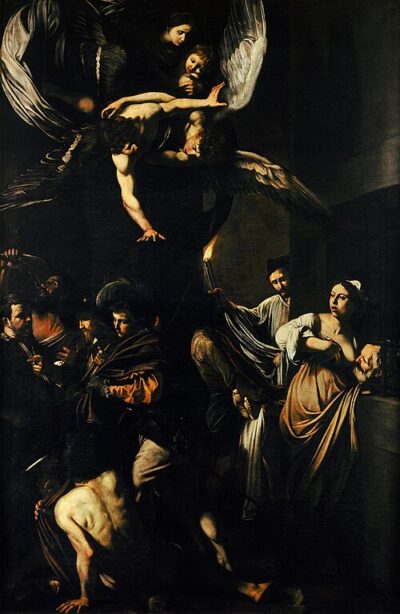
The Seven Works of Mercy is a painting by Caravaggio. It came out in 1607.
- Came out
- 1607
- Created by
- Caravaggio
- Genre
- religious art
All 5 facts, and where they come from
Facts
5 facts · 0 confirmed by two sources · 3 cited · 1 from one source · 1 where the sources disagree
What’s different
- Came out: we show 1607 (Sources disagree). Wikidata also lists 1600s
Where this comes from
Papalocal keeps its own record. It started from these sources; what each one said is kept here as it was copied, so a change on their side never changes this page by itself. Tap one to read its version.
What Wikidata says · copied November 17, 2026 · revision 2569911214
- Described as
- painting by Caravaggio
- What it is
- painting · 1 reference
- Created by
- Caravaggio · 2 references
- Genre
- religious art · 1 reference
- Came out
- 1607 · 1 reference; 1600s · 1 reference
- Country
- Italy · 1 reference
- Wikipedias with a page
- 18
Wikidata item Q2626595 (wikidata.org/wiki/Q2626595), public domain (CC0). Copied 2026-11-17.
What Wikipedia says · copied November 17, 2026 · revision 1361433440
The Seven Works of Mercy (Italian: Sette opere di Misericordia), also known as The Seven Acts of Mercy, is an oil painting by Italian painter Caravaggio, circa 1607. The painting depicts the seven corporal works of mercy in traditional Catholic belief, which are a set of compassionate acts concerning the material needs of others.
The painting was made for, and is still housed in, the church of Pio Monte della Misericordia in Naples. Originally, it was meant to be seven separate panels around the church; however, Caravaggio combined all seven works of mercy in one composition which became the church's altarpiece. The painting is better seen from "il coretto" (the little choir) in the first floor.
From the Wikipedia article “The Seven Works of Mercy (Caravaggio)” (en.wikipedia.org/wiki/The_Seven_Works_of_Mercy_(Caravaggio)), by its contributors, under CC BY-SA 4.0 (creativecommons.org/licenses/by-sa/4.0/). Copied 2026-11-17; not changed.
Confirmed Two sources agree. Cited One source, and it names where it got it. One source One source, without a reference of its own. Sources disagree The sources disagree. We show the best-supported value and keep theirs below.
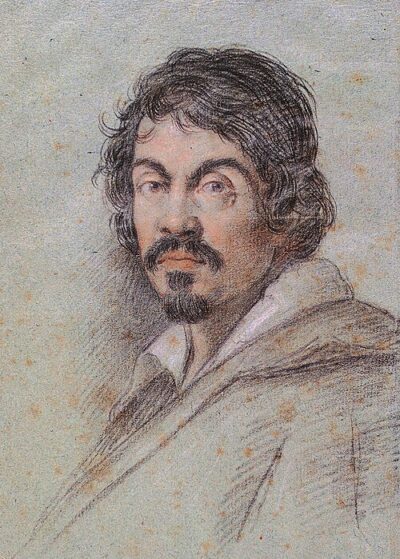
Picture: Caravaggio, via Wikimedia Commons · Public domain