The Song of Hiawatha
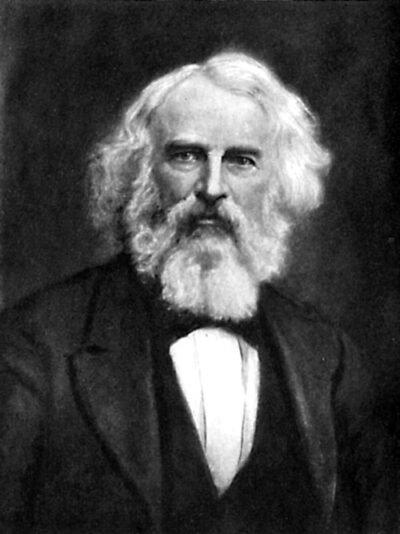
The Song of Hiawatha is an epic poem by Henry Wadsworth Longfellow. It came out in 1855.
- Published
- 1855
- Written by
- Henry Wadsworth Longfellow
- Genre
- epic poem
All 5 facts, and where they come from
Facts
5 facts · 0 confirmed by two sources · 0 cited · 5 from one source
Where this comes from
Papalocal keeps its own record. It started from these sources; what each one said is kept here as it was copied, so a change on their side never changes this page by itself. Tap one to read its version.
What Wikidata says · copied November 16, 2026 · revision 2528400104
- Described as
- epic poem by Henry Wadsworth Longfellow
- Other names
- Song of Hiawatha
- What it is
- literary work
- Written by
- Henry Wadsworth Longfellow
- Genre
- epic poem
- Published
- 1855
- Language
- English
- Wikipedias with a page
- 26
Wikidata item Q279486 (wikidata.org/wiki/Q279486), public domain (CC0). Copied 2026-11-16.
What Wikipedia says · copied November 16, 2026 · revision 1384227925
The Song of Hiawatha is an 1855 epic poem in trochaic tetrameter by Henry Wadsworth Longfellow which features Native American characters. The epic relates the fictional adventures of an Ojibwe warrior named Hiawatha and the tragedy of his love for Minnehaha, a Dakota woman. Events in the story are set in the Pictured Rocks area of Michigan on the south shore of Lake Superior. Longfellow's poem is based on oral traditions surrounding the Ojibwe folk hero Manabozho, but also contains Longfellow's own innovations.
Longfellow drew some of his material from his friendship with Ojibwe chief Kahge-ga-gah-bowh (George Copway), who would visit Longfellow's home. He also had frequent encounters with Black Hawk and other Sauk people on Boston Common, and he drew from Algic Researches (1839) and other writings by Henry Rowe Schoolcraft, an ethnographer and United States Indian agent, and from Heckewelder's Narratives. In sentiment, scope, overall conception, and many particulars, Longfellow insisted, "I can give chapter and verse for these legends. Their chief value is that they are Indian legends."
Longfellow had originally planned on following Schoolcraft in calling his hero Manabozho, the name in use at the time among the Ojibwe of the south shore of Lake Superior for a figure of their folklore who was a trickster and transformer. But he writes in his journal entry for June 28, 1854: "Work at 'Manabozho;' or, as I think I shall call it, 'Hiawatha'—that being another name for the same personage." Longfellow was following Schoolcraft, but he was mistaken in thinking that the names were synonymous. The name Hiawatha is derived from a pre-colonial figure associated with the League of the Iroquois located in New York and Pennsylvania. The popularity of Longfellow's poem nevertheless led to the name "Hiawatha" becoming associated with a number of locales and enterprises in the Great Lakes region.
From the Wikipedia article “The Song of Hiawatha” (en.wikipedia.org/wiki/The_Song_of_Hiawatha), by its contributors, under CC BY-SA 4.0 (creativecommons.org/licenses/by-sa/4.0/). Copied 2026-11-16; not changed.
Confirmed Two sources agree. Cited One source, and it names where it got it. One source One source, without a reference of its own. Sources disagree The sources disagree. We show the best-supported value and keep theirs below.
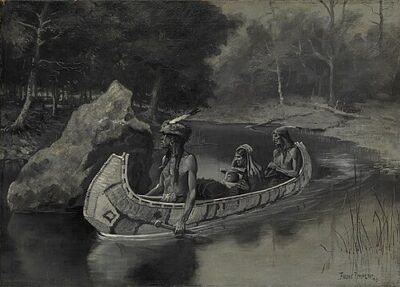
Picture: Frederic Remington, via Wikimedia Commons · Public domain