The Song of the Lark
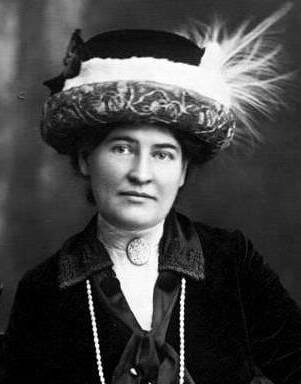
The Song of the Lark is a novel by Willa Cather. It came out in 1915.
- Published
- 1915
- Written by
- Willa Cather
- Genre
- Bildungsroman
- Country of origin
- United States
All 8 facts, and where they come from
Facts
8 facts · 0 confirmed by two sources · 0 cited · 8 from one source
Where this comes from
Papalocal keeps its own record. It started from these sources; what each one said is kept here as it was copied, so a change on their side never changes this page by itself. Tap one to read its version.
What Wikidata says · copied November 16, 2026 · revision 2468525934
- Described as
- novel by Willa Cather
- Other names
- Song of the Lark
- What it is
- literary work
- Written by
- Willa Cather
- Genre
- Bildungsroman
- Published
- 1915
- Language
- English
- Country of origin
- United States
- Comes after
- O Pioneers!
- Followed by
- My Ántonia
- Wikipedias with a page
- 6
Wikidata item Q7765253 (wikidata.org/wiki/Q7765253), public domain (CC0). Copied 2026-11-16.
What Wikipedia says · copied November 16, 2026 · revision 1384238651
The Song of the Lark is a novel by American author Willa Cather, written in 1915. It is her third novel to be published.
The book tells the story of a talented artist born in a small town in Colorado who discovers and develops her singing voice. Her story is told against the backdrop of the burgeoning American West in which she was born in a town along the rail line, of fast-growing Denver near the turn of the twentieth century, and of the audience for singers of her skills in the US compared to Europe. Thea Kronborg grows up, learning herself, her strengths and her talent, until she reaches success.
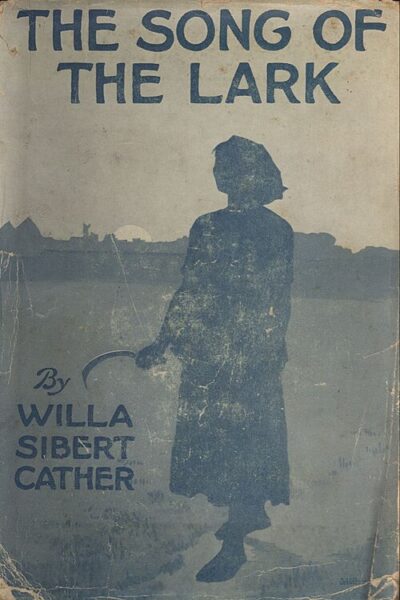
The title and first edition cover art comes from an 1884 painting of the same name by Jules Breton, part of the collection of the Art Institute of Chicago.
From the Wikipedia article “The Song of the Lark (novel)” (en.wikipedia.org/wiki/The_Song_of_the_Lark_(novel)), by its contributors, under CC BY-SA 4.0 (creativecommons.org/licenses/by-sa/4.0/). Copied 2026-11-16; not changed.
Confirmed Two sources agree. Cited One source, and it names where it got it. One source One source, without a reference of its own. Sources disagree The sources disagree. We show the best-supported value and keep theirs below.
Picture: After Jules Breton, via Wikimedia Commons · Public domain