The Sorrows of Young Werther
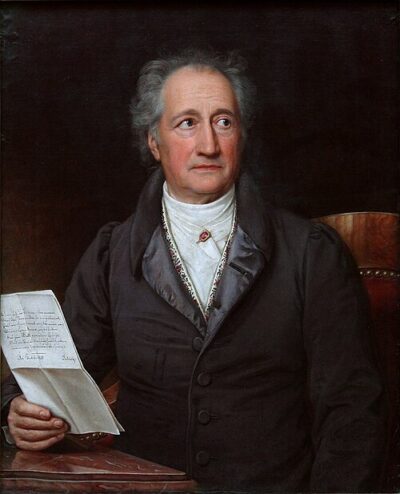
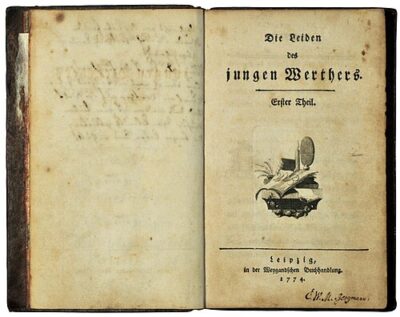
The Sorrows of Young Werther is a 1774 epistolary novel by Johann Wolfgang von Goethe.
- Published
- 1774
- Came out
- 1774
- Written by
- Johann Wolfgang von Goethe
- Genre
- epistolary novel
- Country of origin
- Germany
All 9 facts, and where they come from
Facts
9 facts · 0 confirmed by two sources · 2 cited · 7 from one source
Where this comes from
Papalocal keeps its own record. It started from these sources; what each one said is kept here as it was copied, so a change on their side never changes this page by itself. Tap one to read its version.
What Wikidata says · copied November 17, 2026 · revision 2568241629
- Described as
- 1774 epistolary novel by Johann Wolfgang von Goethe
- Other names
- Sorrows of Werther
- What it is
- literary work
- Written by
- Johann Wolfgang von Goethe
- Genre
- epistolary novel · 2 references; diary literature; sentimental novel
- Published
- 1774 · 1 reference
- Language
- German
- Country of origin
- Germany
- Came out
- 1774
- Wikipedias with a page
- 64
Wikidata item Q151883 (wikidata.org/wiki/Q151883), public domain (CC0). Copied 2026-11-17.
What Wikipedia says · copied November 17, 2026 · revision 1384223480
The Sorrows of Young Werther ([ˈveːɐ̯tɐ]; German: Die Leiden des jungen Werthers), or simply Werther, is a 1774 epistolary novel by Johann Wolfgang Goethe, which appeared as a revised edition in 1787. It was one of the main novels of the Sturm und Drang period in German literature, and influenced the later Romantic movement. Goethe, aged 24 at the time, finished Werther in five and a half weeks of intensive writing in January to March 1774. It instantly placed him among the foremost international literary celebrities and was among the best known of his works.
The novel was adapted as the opera Werther by Jules Massenet in 1892.
From the Wikipedia article “The Sorrows of Young Werther” (en.wikipedia.org/wiki/The_Sorrows_of_Young_Werther), by its contributors, under CC BY-SA 4.0 (creativecommons.org/licenses/by-sa/4.0/). Copied 2026-11-17; not changed.
Confirmed Two sources agree. Cited One source, and it names where it got it. One source One source, without a reference of its own. Sources disagree The sources disagree. We show the best-supported value and keep theirs below.
Picture: Foto H.-P.Haack., via Wikimedia Commons · CC BY-SA 3.0