The Story of a Shipwrecked Sailor
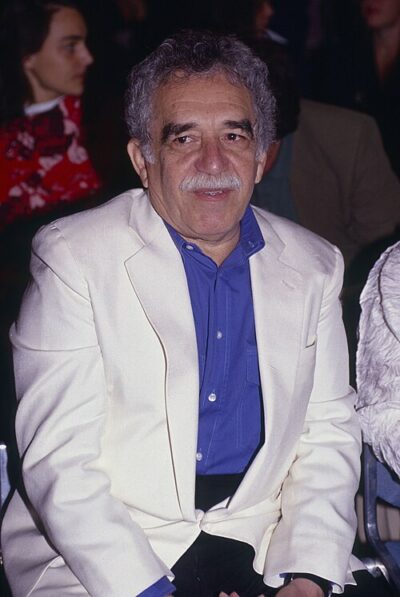
The Story of a Shipwrecked Sailor is a non-fiction work by Gabriel García Márquez. It came out in 1955.
- Published
- 1955
- Written by
- Gabriel García Márquez
- Genre
- thriller
- Country of origin
- Colombia
All 7 facts, and where they come from
Facts
7 facts · 0 confirmed by two sources · 0 cited · 7 from one source
Where this comes from
Papalocal keeps its own record. It started from these sources; what each one said is kept here as it was copied, so a change on their side never changes this page by itself. Tap one to read its version.
What Wikidata says · copied November 17, 2026 · revision 2567184989
- Described as
- non-fiction work by Gabriel García Márquez
- What it is
- literary work
- Written by
- Gabriel García Márquez
- Genre
- thriller; non-fiction literature
- Published
- 1955
- Language
- Spanish
- Country of origin
- Colombia
- Wikipedias with a page
- 12
Wikidata item Q820591 (wikidata.org/wiki/Q820591), public domain (CC0). Copied 2026-11-17.
What Wikipedia says · copied November 17, 2026 · revision 1384227688
The Story of a Shipwrecked Sailor (original Spanish-language title: Relato de un náufrago) is a work of non-fiction by Colombian writer Gabriel García Márquez. The full title is The Story of a Shipwrecked Sailor: Who Drifted on a Liferaft for Ten Days Without Food or Water, Was Proclaimed a National Hero, Kissed by Beauty Queens, Made Rich Through Publicity, and Then Spurned by the Government and Forgotten for All Time (Spanish: Relato de un náufrago que estuvo diez días a la deriva en una balsa sin comer ni beber, que fue proclamado héroe de la patria, besado por las reinas de la belleza y hecho rico por la publicidad, y luego aborrecido por el gobierno y olvidado para siempre).
It was originally published as a fourteen consecutive day series of installments in El Espectador newspaper in 1955; it was later published as a book in 1970, and then translated into English by Randolph Hogan in 1986. The story is written in the first-person from the perspective of the sailor, 20-year-old Luis Alejandro Velasco, and was in fact signed by Velasco as author when it was first published in 1955. Not until 1970 when it was published as a book was García Márquez's name first publicly associated with the story.
Nobel Prize in Literature laureate Gabriel García Márquez began his literary career as a newspaper writer. In 1955, he wrote a series of newspaper stories about a shipwrecked sailor who nearly died on account of negligence by the Colombian Navy; several of his colleagues drowned shortly before arriving at the port of Cartagena de Indias due to the existence of overweight contraband aboard the vessel. This resulted in public controversy, as it discredited the official account of the events, which had blamed a non-existent storm for the shipwreck and glorified the surviving sailor. As García Márquez subsequently became a sort of persona non grata for the government of General Gustavo Rojas Pinilla, he then worked for several years as a foreign correspondent.
The book's theme is the possible, but not necessary, moral reversion to a primitive, instinctual existence in the face of a sea catastrophe and consequent shipwreck and solitude. This theme had been explored previously in fiction by Daniel Defoe (Robinson Crusoe and the robinsonade genre) and Voltaire (Candide), and more recently by William Golding (Lord of the Flies and Pincher Martin), Umberto Eco (The Island of the Day Before), J. M. Coetzee (Foe), José Saramago (The Stone Raft and The Tale of the Unknown Island). A later non-fiction treatment of a similar theme can be found in The Last Strange Voyage of Donald Crowhurst by Ron Hall and Nicolas Tomalin.
From the Wikipedia article “The Story of a Shipwrecked Sailor” (en.wikipedia.org/wiki/The_Story_of_a_Shipwrecked_Sailor), by its contributors, under CC BY-SA 4.0 (creativecommons.org/licenses/by-sa/4.0/). Copied 2026-11-17; not changed.
Confirmed Two sources agree. Cited One source, and it names where it got it. One source One source, without a reference of its own. Sources disagree The sources disagree. We show the best-supported value and keep theirs below.