The Tale of Genji
The Tale of Genji is a classic work of Japanese literature. It was written by Murasaki Shikibu.
- Came out
- 1010s
- Written by
- Murasaki Shikibu
- Genre
- tsukuri monogatari
- Country of origin
- Japan
All 9 facts, and where they come from
Facts
9 facts · 0 confirmed by two sources · 1 cited · 8 from one source
Where this comes from
Papalocal keeps its own record. It started from these sources; what each one said is kept here as it was copied, so a change on their side never changes this page by itself. Tap one to read its version.
What Wikidata says · copied November 17, 2026 · revision 2567730489
- Described as
- classic work of Japanese literature
- Other names
- Genji Monogatari, The Tale of Genzi, Genzi Monogatari, Genjimonogatari, Princess Aoi, Tale of Genji, El relato de Genji
- What it is
- literary work
- Written by
- Murasaki Shikibu
- Genre
- tsukuri monogatari; monogatari · 1 reference; romance novel · 2 references
- Language
- Early Middle Japanese
- Country of origin
- Japan
- Came out
- 1010s
- Named after
- Hikaru Genji
- Wikipedias with a page
- 116
Wikidata item Q8269 (wikidata.org/wiki/Q8269), public domain (CC0). Copied 2026-11-17.
What Wikipedia says · copied November 17, 2026 · revision 1385635287
The Tale of Genji (源氏物語, Genji Monogatari; Japanese pronunciation: [ɡè̞ɲ̟́.ɟ̟͡ʑí mó̞.nó̞.ɡä́.tä̀.ɾʲì, -ŋä́-, ɡé̞ɲ̟́-]) is a classic work of Japanese literature said to have been written by the noblewoman, poet, and lady-in-waiting Murasaki Shikibu around the peak of the Heian period, in the early 11th century. It is the first novel written by a woman to have won global recognition. In Japan, The Tale of Genji has a stature similar to that of Shakespeare's works in English.
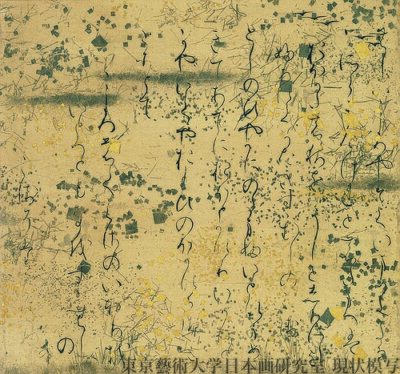
The work is a depiction of the lifestyles of high courtiers during the Heian period. It is written mostly in Japanese phonetic script (hiragana), in a vernacular style (not the same as "vernacular Japanese", which only appeared in late 19th century) associated with women's writing of the time, not in Chinese characters (kanji) used for more prestigious literature, and its archaic language and poetic style require specialised study. The original manuscript no longer exists but there are more than 300 later manuscript copies of varying reliability. It was made in "concertina" or orihon style: several sheets of paper pasted together and folded alternately in one direction then the other. In the early 20th century Genji was translated into modern Japanese by the poet Akiko Yosano. The first English translation of Genji was made in 1882 by Suematsu Kencho, but was of poor quality and left incomplete. Arthur Waley translated an almost complete version which excludes only the 38th chapter (Suzumushi/The Bell Cricket) between 1925 and 1933. Since then, complete English translations have been made by Edward Seidensticker, Royall Tyler, and Dennis Washburn.
The first section, chapters 1-33, center on the early life and amorous encounters of Hikaru Genji, or "Shining Genji". Genji is the son of the emperor (known to readers as Emperor Kiritsubo) and a low-ranking concubine called Kiritsubo Consort. However, for political reasons, the emperor removes Genji from the line of succession, demoting him to commoner status by giving him the surname Minamoto. The second section, chapters 34–41, tell of his old age and death, while the final section, chapters 42–54, shift to Genji's grandson, Niou, and supposed son, Kaoru.
From the Wikipedia article “The Tale of Genji” (en.wikipedia.org/wiki/The_Tale_of_Genji), by its contributors, under CC BY-SA 4.0 (creativecommons.org/licenses/by-sa/4.0/). Copied 2026-11-17; not changed.
Confirmed Two sources agree. Cited One source, and it names where it got it. One source One source, without a reference of its own. Sources disagree The sources disagree. We show the best-supported value and keep theirs below.
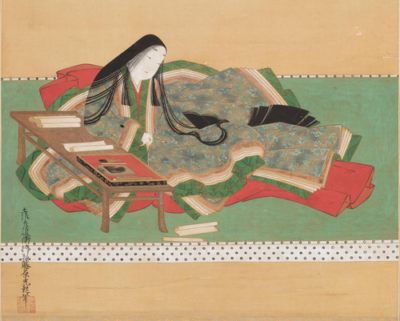
Picture: Imperial Palace Kyoto, via Wikimedia Commons · Public domain