The Tragical History of Doctor Faustus
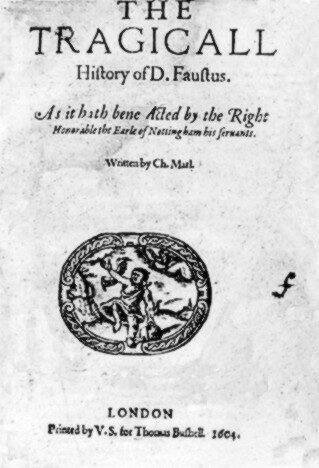
The Tragical History of Doctor Faustus is a play by Christopher Marlowe. It came out in 1604. It is based on Historia von D. Johann Fausten.
- Published
- 1604
- Written by
- Christopher Marlowe
- Genre
- tragedy
All 7 facts, and where they come from
Facts
7 facts · 0 confirmed by two sources · 0 cited · 7 from one source
Where this comes from
Papalocal keeps its own record. It started from these sources; what each one said is kept here as it was copied, so a change on their side never changes this page by itself. Tap one to read its version.
What Wikidata says · copied November 17, 2026 · revision 2536878133
- Described as
- play by Christopher Marlowe
- Other names
- The Tragical History of the Life and Death of Doctor Faustus, Doctor Faustus, Dr. Faustus, Tragedy of Doctor Faustus
- What it is
- literary work
- Written by
- Christopher Marlowe
- Genre
- tragedy
- Published
- 1604
- Language
- English; Persian
- Based on
- Historia von D. Johann Fausten · 1 reference
- Wikipedias with a page
- 32
Wikidata item Q50919 (wikidata.org/wiki/Q50919), public domain (CC0). Copied 2026-11-17.
What Wikipedia says · copied November 17, 2026 · revision 1384269903
The Tragical History of the Life and Death of Doctor Faustus, commonly referred to simply as Doctor Faustus, is an Elizabethan tragedy by Christopher Marlowe, based on German stories about a scholar who sells his soul to the devil in exchange for magical power. Written in the late 16th century and first performed around 1594, the play follows Faustus’ rise as a magician through his pact with Lucifer—facilitated by the demon Mephistopheles—and his ultimate downfall as he fails to repent before his damnation.
The play survives in two major versions: the shorter 1604 "A" text and the expanded 1616 "B" text, which includes additional scenes and material of debated authorship. Though once considered less authoritative, the "B" text has gained renewed scholarly interest, especially regarding its comic elements and their thematic significance.
Doctor Faustus blends classical tragedy with Elizabethan drama, employing a five-act structure and a chorus. Thematically, it explores ambition, the limits of knowledge, Christian theology, and Renaissance humanism. Critics have long debated its stance on Calvinist predestination and its reflection of Reformation-era anxieties.
The play has had a lasting influence, inspiring adaptations across stage, film, and other media. Performances have been associated with supernatural legends since the 17th century, and the characters of Faustus and Mephistopheles remain iconic figures in Western literature.
From the Wikipedia article “Doctor Faustus (play)” (en.wikipedia.org/wiki/Doctor_Faustus_(play)), by its contributors, under CC BY-SA 4.0 (creativecommons.org/licenses/by-sa/4.0/). Copied 2026-11-17; not changed.
Confirmed Two sources agree. Cited One source, and it names where it got it. One source One source, without a reference of its own. Sources disagree The sources disagree. We show the best-supported value and keep theirs below.
Picture: Wikimedia Commons · Public domain