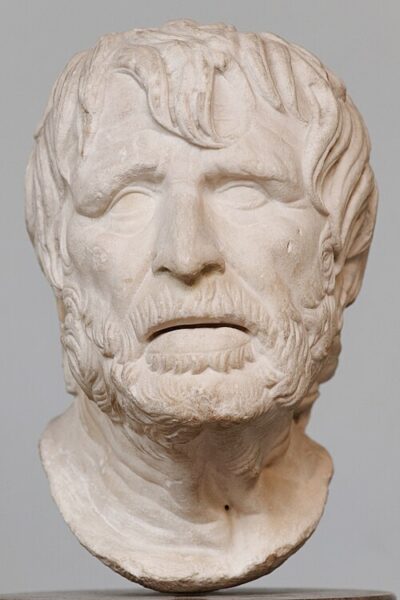
Theogony
Theogony is a poem by Hesiod, describing the origins and genealogies of the greek gods.
- Came out
- 7th century BC
- Written by
- Hesiod
- Genre
- narrative poetry
All 6 facts, and where they come from
Facts
6 facts · 0 confirmed by two sources · 0 cited · 6 from one source
Where this comes from
Papalocal keeps its own record. It started from these sources; what each one said is kept here as it was copied, so a change on their side never changes this page by itself. Tap one to read its version.
What Wikidata says · copied November 17, 2026 · revision 2565888800
- Described as
- poem by Hesiod, describing the origins and genealogies of the greek gods
- Other names
- Hes. Th.
- What it is
- literary work
- Written by
- Hesiod
- Genre
- narrative poetry
- Language
- Aeolic Greek; Attic Greek
- Came out
- 7th century BC
- Wikipedias with a page
- 74
Wikidata item Q156498 (wikidata.org/wiki/Q156498), public domain (CC0). Copied 2026-11-17.
What Wikipedia says · copied November 17, 2026 · revision 1381351554
The Theogony (Ancient Greek: Θεογονία, romanized: Theogonía, lit. 'the genealogy or birth of the gods') is a poem by Hesiod (8th–7th century BC) describing the origins and genealogies of the Greek gods, composed c. 730–700 BC. It is written in the epic dialect of Ancient Greek and contains 1,022 lines. It is one of the most important sources for the understanding of early Greek cosmology.
From the Wikipedia article “Theogony” (en.wikipedia.org/wiki/Theogony), by its contributors, under CC BY-SA 4.0 (creativecommons.org/licenses/by-sa/4.0/). Copied 2026-11-17; not changed.
Confirmed Two sources agree. Cited One source, and it names where it got it. One source One source, without a reference of its own. Sources disagree The sources disagree. We show the best-supported value and keep theirs below.
Picture: Wikimedia Commons: Esiodo, teogonia, con illustrazioni di gustave moreau, parigi, a. lemerre, 1869, esiodo e la musa.jpg · See Commons file page