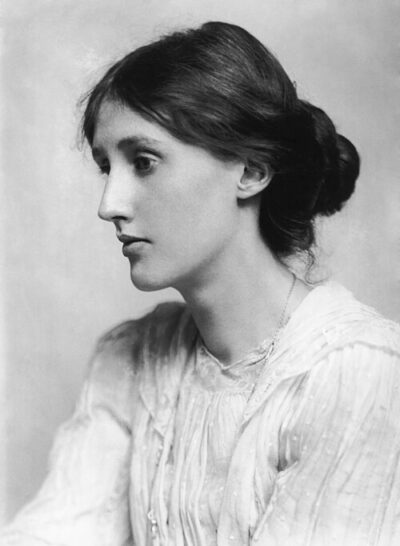
To the Lighthouse
To the Lighthouse is a 1927 novel by Virginia Woolf. It won the 20th Century's Greatest Hits: 100 English-Language Books of Fiction.
- Published
- 1927
- Written by
- Virginia Woolf
- Genre
- modernist literature
- Country of origin
- United Kingdom
All 10 facts, and where they come from
Facts
10 facts · 0 confirmed by two sources · 1 cited · 9 from one source
Where this comes from
Papalocal keeps its own record. It started from these sources; what each one said is kept here as it was copied, so a change on their side never changes this page by itself. Tap one to read its version.
What Wikidata says · copied November 17, 2026 · revision 2530240927
- Described as
- 1927 novel by Virginia Woolf
- What it is
- literary work
- Written by
- Virginia Woolf
- Genre
- modernist literature; psychological fiction · 1 reference
- Published
- 1927 · 1 reference
- Language
- British English
- Country of origin
- United Kingdom
- Comes after
- Mrs Dalloway
- Followed by
- Orlando: A Biography
- Awards
- 20th Century's Greatest Hits: 100 English-Language Books of Fiction · 1 reference
- Wikipedias with a page
- 44
Wikidata item Q478016 (wikidata.org/wiki/Q478016), public domain (CC0). Copied 2026-11-17.
What Wikipedia says · copied November 17, 2026 · revision 1384428599
To the Lighthouse is a 1927 novel by Virginia Woolf. The novel centres on the Ramsay family and their visits to the Isle of Skye in Scotland between 1910 and 1920.
Following and extending the tradition of modernist novelists like Marcel Proust and James Joyce, the plot of To the Lighthouse is secondary to its philosophical introspection. Cited as a key example of the literary technique of multiple focalisation, the novel includes little dialogue and almost no direct action; most of it is written as thoughts and observations. To the Lighthouse is made of three powerfully charged visions into the life of the Ramsay family—maternal Mrs. Ramsay, highbrow Mr. Ramsay, and their eight children—who live in a summer house off the rocky coast of Scotland. From Mr. Ramsay's seemingly trivial postponement of a visit to a nearby lighthouse, Virginia Woolf examines tensions and allegiances and shows that the small joys and quiet tragedies of everyday life could go on forever. The novel recalls childhood emotions and highlights adult relationships. Among the book's many tropes and themes are those of loss, subjectivity, the nature of art, and the problem of perception.
In 1998, the Modern Library named To the Lighthouse No. 15 on its list of the 100 best English-language novels of the 20th century. In 2005, the novel was included on Time magazine's list of the one hundred best English-language novels since 1923.
From the Wikipedia article “To the Lighthouse” (en.wikipedia.org/wiki/To_the_Lighthouse), by its contributors, under CC BY-SA 4.0 (creativecommons.org/licenses/by-sa/4.0/). Copied 2026-11-17; not changed.
Confirmed Two sources agree. Cited One source, and it names where it got it. One source One source, without a reference of its own. Sources disagree The sources disagree. We show the best-supported value and keep theirs below.
Picture: Wikimedia Commons: Al faro. Virginia Woolf, 1927.jpg · See Commons file page