Troilus and Criseyde
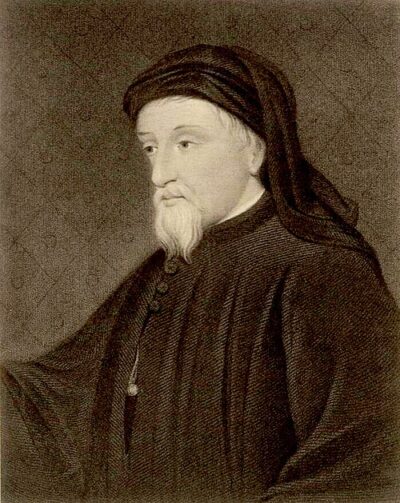
Troilus and Criseyde is a poem by Geoffrey Chaucer. It is based on Roman de Troie.
- Published
- 1380s
- Written by
- Geoffrey Chaucer
- Genre
- epic poem
All 6 facts, and where they come from
Facts
6 facts · 0 confirmed by two sources · 0 cited · 6 from one source
Where this comes from
Papalocal keeps its own record. It started from these sources; what each one said is kept here as it was copied, so a change on their side never changes this page by itself. Tap one to read its version.
What Wikidata says · copied November 17, 2026 · revision 2559584010
- Described as
- poem by Geoffrey Chaucer
- What it is
- literary work
- Written by
- Geoffrey Chaucer
- Genre
- epic poem
- Published
- 1380s
- Language
- Middle English
- Based on
- Roman de Troie
- Wikipedias with a page
- 16
Wikidata item Q2527101 (wikidata.org/wiki/Q2527101), public domain (CC0). Copied 2026-11-17.
What Wikipedia says · copied November 17, 2026 · revision 1385219047
Troilus and Criseyde () is an epic poem by Geoffrey Chaucer which re-tells in Middle English the tragic story of the lovers Troilus and Criseyde set against a backdrop of war during the siege of Troy. It was written in rime royale and probably completed during the mid-1380s. Many Chaucer scholars regard it as the poet's finest work. As a finished long poem, it is more self-contained than the better known but ultimately unfinished The Canterbury Tales. This poem is often considered the source of the phrase: "all good things must come to an end" (3.615).
Although Troilus is a character from Ancient Greek literature, the expanded story of him as a lover was of Medieval origin. The first known version is from Benoît de Sainte-Maure's poem Roman de Troie, but Chaucer's principal source appears to have been Boccaccio, who re-wrote the tale in his Il Filostrato. Chaucer attributes the story to a "Lollius" (whom he also mentions in The House of Fame), although no writer with this name is known. Chaucer's version can be said to reflect a less cynical and less misogynistic world-view than Boccaccio's, casting Criseyde as fearful and sincere rather than simply fickle and having been led astray by the eloquent and perfidious Pandarus. It also inflects the sorrow of the story with humour.
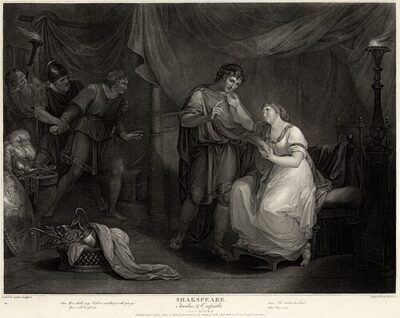
The poem had an important legacy for later writers. Robert Henryson's Scots poem The Testament of Cresseid imagined a rambunctious fate for Criseyde not given by Chaucer. In historical editions of the English Troilus and Criseyde, Henryson's distinct and separate work was sometimes included without accreditation as an "epilogue" to Chaucer's tale. Other texts, for example, John Metham's Amoryus and Cleopes (c. 1449), adapt language and authorship strategies from the famous predecessor poem. Shakespeare's tragedy Troilus and Cressida, although much darker in tone, was also based in part on the material.
Troilus and Criseyde is usually considered to be a courtly romance, although the generic classification is an area of significant debate in most Middle English literature. It is part of the Matter of Rome cycle, a fact which Chaucer emphasizes.
From the Wikipedia article “Troilus and Criseyde” (en.wikipedia.org/wiki/Troilus_and_Criseyde), by its contributors, under CC BY-SA 4.0 (creativecommons.org/licenses/by-sa/4.0/). Copied 2026-11-17; not changed.
Confirmed Two sources agree. Cited One source, and it names where it got it. One source One source, without a reference of its own. Sources disagree The sources disagree. We show the best-supported value and keep theirs below.
Picture: Angelica Kauffmann, via Wikimedia Commons · Public domain