UCL School of Slavonic and East European Studies
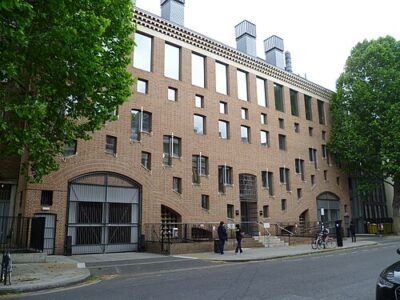
UCL School of Slavonic and East European Studies is a school in the United Kingdom. It was founded in 1915 by Tomáš Garrigue Masaryk.
- Located in
- London
- Country
- United Kingdom
- Founded
- 1915
- What it is
- school
All 7 facts, and where they come from
Facts
7 facts · 0 confirmed by two sources · 0 cited · 7 from one source
Where this comes from
Papalocal keeps its own record. It started from these sources; what each one said is kept here as it was copied, so a change on their side never changes this page by itself. Tap one to read its version.
What Wikidata says · copied November 17, 2026 · revision 2539946238
- Described as
- school in the United Kingdom
- Other names
- UCL SSEES
- What it is
- school
- Founded
- 1915
- Founded by
- Tomáš Garrigue Masaryk · 1 reference
- Located in
- London
- Country
- United Kingdom
- Part of
- University College London · 1 reference
- Official website
- http://www.ssees.ucl.ac.uk
- Wikipedias with a page
- 6
Wikidata item Q2466845 (wikidata.org/wiki/Q2466845), public domain (CC0). Copied 2026-11-17.
What Wikipedia says · copied November 17, 2026 · revision 1383424844
The UCL School of Slavonic and East European Studies (SSEES ) is a school of University College London (UCL) specializing in Central, Eastern and South-Eastern Europe, Russia and Eurasia. It teaches a range of subjects, including the history, politics, literature, sociology, economics and languages of the region. It is Britain's largest centre for study of Central, Eastern and South-Eastern Europe and Russia. It has links with universities across Europe and beyond. It became part of UCL in 1999.
From the Wikipedia article “UCL School of Slavonic and East European Studies” (en.wikipedia.org/wiki/UCL_School_of_Slavonic_and_East_European_Studies), by its contributors, under CC BY-SA 4.0 (creativecommons.org/licenses/by-sa/4.0/). Copied 2026-11-17; not changed.
Confirmed Two sources agree. Cited One source, and it names where it got it. One source One source, without a reference of its own. Sources disagree The sources disagree. We show the best-supported value and keep theirs below.
Picture: Philafrenzy, via Wikimedia Commons · CC BY-SA 4.0
People connected 5
Studied here
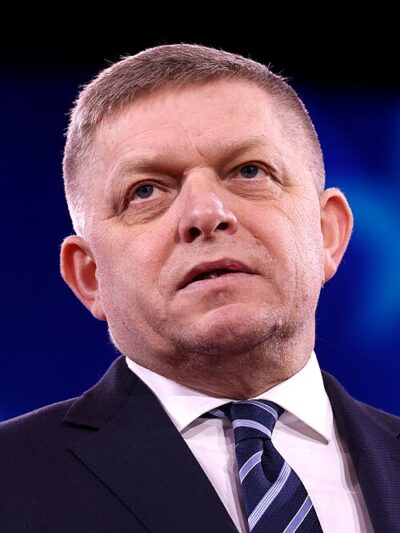 Robert FicoPrime Minister of Slovakia since 2023
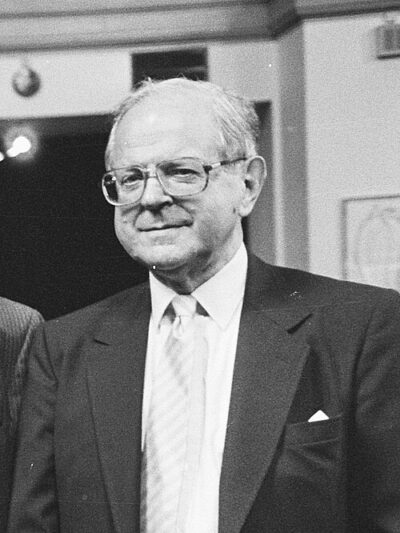 Robert ConquestBritish historian and poet
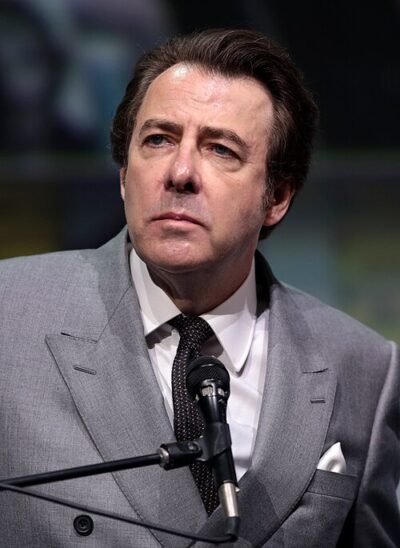 Jonathan RossEnglish television and radio presenter