ukiyozōshi
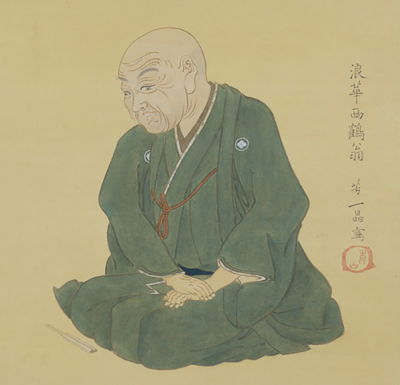
Ukiyozōshi is a Japanese literature movement.
- Came out
- 1680s
All 8 facts, and where they come from
Facts
8 facts · 0 confirmed by two sources · 0 cited · 8 from one source
Where this comes from
Papalocal keeps its own record. It started from these sources; what each one said is kept here as it was copied, so a change on their side never changes this page by itself. Tap one to read its version.
What Wikidata says · copied November 17, 2026 · revision 2515837585
- Described as
- Japanese literature movement
- Other names
- ukiyo-zōshi, books of the floating world, floating world genre
- What it is
- literary movement; literary genre
- Comes after
- kanazōshi
- Came out
- 1680s
- Founded by
- Ihara Saikaku
- Country
- Japan
- Field
- fiction literature
- Named after
- ukiyo
- Wikipedias with a page
- 10
Wikidata item Q82386 (wikidata.org/wiki/Q82386), public domain (CC0). Copied 2026-11-17.
What Wikipedia says · copied November 17, 2026 · revision 1364020336
Ukiyo-zōshi (浮世草子; "books of the floating world") is the first major genre of popular Japanese fiction, written between the 1680s and 1770s in Kyoto and Osaka. Ukiyo-zōshi literature developed from the broader genre of kana-zōshi, books written in the katakana vernacular for enjoyment, and was initially classified as kana-zōshi. The term "ukiyo-zōshi" first appeared in 1710 in reference to amorous or erotic works, but the term later came to refer to literature that encompassed a variety of subjects and aspects of life during the Edo period with the most common being that of the ordinary townsperson. Books of this genre included ukiyo-e illustrations often made by the most prominent artists at the time. The most prominent author of ukiyo-zōshi was Ihara Saikaku, whose works were not regarded as high literature at the time, but became popular and were key to the development and spread of the new genre. Saikaku was preceded by and worked at the same time as many other authors such as Shogetsudo Fukaku and Ejima Kiseki, all of which helped to shape ukiyo-zōshi and inspire future genres. Ukiyo-zōshi continued until the end of the eighteenth century, but its quality steadily declined. Overall, the genre lived for less than a century and died from conventionalization as well as a lack of new ideas for stories.
From the Wikipedia article “Ukiyo-zōshi” (en.wikipedia.org/wiki/Ukiyo-zōshi), by its contributors, under CC BY-SA 4.0 (creativecommons.org/licenses/by-sa/4.0/). Copied 2026-11-17; not changed.
Confirmed Two sources agree. Cited One source, and it names where it got it. One source One source, without a reference of its own. Sources disagree The sources disagree. We show the best-supported value and keep theirs below.