Under Fire
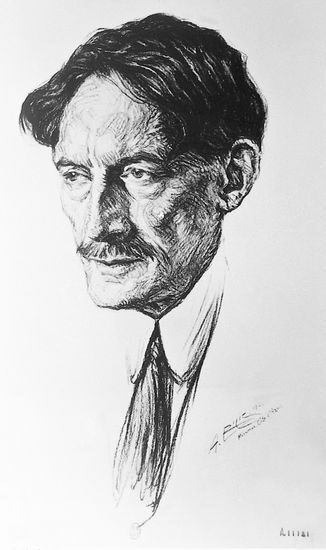
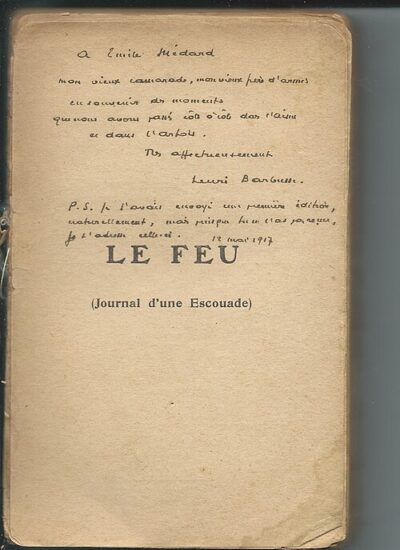
Under Fire is a novel by Henri Barbusse. It came out in 1916. It won the Prix Goncourt.
- Published
- 1916
- Written by
- Henri Barbusse
- Genre
- war novel
- Country of origin
- France
All 8 facts, and where they come from
Facts
8 facts · 0 confirmed by two sources · 0 cited · 8 from one source
Where this comes from
Papalocal keeps its own record. It started from these sources; what each one said is kept here as it was copied, so a change on their side never changes this page by itself. Tap one to read its version.
What Wikidata says · copied November 17, 2026 · revision 2471376777
- Described as
- novel by Henri Barbusse
- What it is
- written work
- Written by
- Henri Barbusse
- Publisher
- Groupe Flammarion
- Genre
- war novel
- Published
- 1916
- Language
- French
- Country of origin
- France
- Awards
- Prix Goncourt (1916)
- Wikipedias with a page
- 12
Wikidata item Q1167837 (wikidata.org/wiki/Q1167837), public domain (CC0). Copied 2026-11-17.
What Wikipedia says · copied November 17, 2026 · revision 1384286208
Under Fire: The Story of a Squad (French: Le Feu: journal d'une escouade) is a 1916 novel by Henri Barbusse that was one of the first novels about World War I to be published. Although it is fiction, the book was based on Barbusse's experiences as a French soldier on the Western Front. It was awarded the Prix Goncourt in 1916. The novel is described as one of the earliest works of the Lost Generation movement or as the work which started it; the novel had a major impact on the later writers of the movement, namely on Ernest Hemingway and Erich Maria Remarque.
Barbusse wrote Le feu while he was a serving soldier. He claimed to have taken notes for the novel while still in the trenches; after being injured and reassigned from the front, he wrote and published the novel while working at the War Office in 1916.
From the Wikipedia article “Under Fire (Barbusse novel)” (en.wikipedia.org/wiki/Under_Fire_(Barbusse_novel)), by its contributors, under CC BY-SA 4.0 (creativecommons.org/licenses/by-sa/4.0/). Copied 2026-11-17; not changed.
Confirmed Two sources agree. Cited One source, and it names where it got it. One source One source, without a reference of its own. Sources disagree The sources disagree. We show the best-supported value and keep theirs below.
Picture: Lydie MARAIS, via Wikimedia Commons · CC BY-SA 4.0