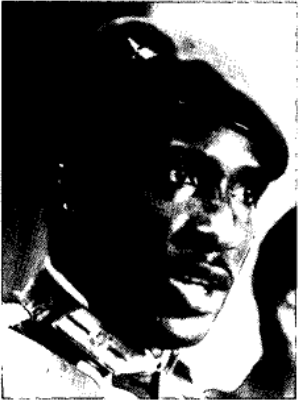
Une Seule Nuit
Une Seule Nuit is a national anthem of Burkina Faso. It came out in 1984.
- Released
- 1984
All 5 facts, and where they come from
Facts
5 facts · 0 confirmed by two sources · 0 cited · 5 from one source
Where this comes from
Papalocal keeps its own record. It started from these sources; what each one said is kept here as it was copied, so a change on their side never changes this page by itself. Tap one to read its version.
What Wikidata says · copied November 17, 2026 · revision 2558339224
- Described as
- national anthem of Burkina Faso
- Other names
- L’Hymne de la victoire, Ditanyè, Ditanye
- What it is
- national anthem
- Music by
- Thomas Sankara
- Released
- 1984 · 1 reference
- Language
- French
- Country
- Burkina Faso
- Wikipedias with a page
- 44
Wikidata item Q464551 (wikidata.org/wiki/Q464551), public domain (CC0). Copied 2026-11-17.
What Wikipedia says · copied November 17, 2026 · revision 1383144556
"Ditanyè" (usually written "Le Ditanyè"), also known as "L'Hymne de la victoire" ("The Anthem of Victory", Mossi: "Burkina Faso fãag-m-meng yɩɩlle";) or "Une Seule Nuit" ("One Single Night"), is the national anthem of Burkina Faso. Then-president Thomas Sankara, who was a jazz guitarist, wrote the lyrics. The composer of the melody is unknown, but it has also been attributed to Sankara.
It was adopted during his presidency in a decree issued on 2 August 1984, effective midnight on 4 August 1984, the first anniversary of Sankara's accession to the presidency. The decree also renamed the country from Upper Volta to its current name. The anthem replaced the "Hymne National Voltaïque", the national anthem of Upper Volta.
From the Wikipedia article “Ditanyè” (en.wikipedia.org/wiki/Ditanyè), by its contributors, under CC BY-SA 4.0 (creativecommons.org/licenses/by-sa/4.0/). Copied 2026-11-17; not changed.
Confirmed Two sources agree. Cited One source, and it names where it got it. One source One source, without a reference of its own. Sources disagree The sources disagree. We show the best-supported value and keep theirs below.
Picture: Drawn by SKopp, rewritten by Gabbe and Андрей Перцев, via Wikimedia Commons · Public domain