
UNICEF
UNICEF is a specialised agency of the United Nations. It was founded in 1946 by the United Nations General Assembly and Ludwik Rajchman. Its headquarters are in New York City. It won the Nobel Peace Prize and 5 more.
- Founded
- December 11, 1946
- Founded by
- United Nations General Assembly
- Headquarters
- New York City
- Industry
- international governmental or non-governmental organizations
- Country
- United States
All 17 facts, and where they come from
Facts
17 facts · 0 confirmed by two sources · 7 cited · 10 from one source
Where this comes from
Papalocal keeps its own record. It started from these sources; what each one said is kept here as it was copied, so a change on their side never changes this page by itself. Tap one to read its version.
What Wikidata says · copied November 16, 2026 · revision 2565612108
- Described as
- specialised agency of the United Nations
- Other names
- United Nations Children's Fund, International Children's Emergency Fund, ICEF International Children's Emergency Fund, United Nations Children's Fund (UNICEF), United Nations International Children's Emergency Fund, UNICEF United Nations Children's Fund
- What it is
- United Nations programmes and funds
- Founded
- December 11, 1946
- Founded by
- United Nations General Assembly; Ludwik Rajchman
- Headquarters
- New York City · 1 reference
- Country
- United States · 2 references
- Industry
- international governmental or non-governmental organizations · 1 reference
- Chair
- Catherine M. Russell (2022–) · 1 reference
- Part of
- United Nations General Assembly; United Nations Economic and Social Council · 1 reference
- Awards
- Nobel Peace Prize (1965) · 2 references; Children of the Earth (1993); Indira Gandhi Peace Prize (1989); Princess of Asturias Award for Concord (2006); Wateler Peace Prize (1957); Atatürk International Peace Prize (1996) · 1 reference
- Official website
- https://www.unicef.org/
- Wikipedias with a page
- 118
Wikidata item Q740308 (wikidata.org/wiki/Q740308), public domain (CC0). Copied 2026-11-16.
What Wikipedia says · copied November 16, 2026 · revision 1385959101
UNICEF ( YOO-nee-SEF), originally the United Nations International Children's Emergency Fund, officially United Nations Children's Fund since 1953, is an agency of the United Nations responsible for providing humanitarian and developmental aid to children worldwide. The organization is one of the most widely known and visible social welfare entities globally, operating in 192 countries and territories. UNICEF's activities include providing immunizations and disease prevention, administering treatment for children and mothers with HIV, enhancing childhood and maternal nutrition, improving sanitation, promoting education, and providing emergency relief in response to disasters.
UNICEF is the successor of the United Nations International Children's Emergency Fund, and was created on 11 December 1946, in New York, by the United Nations Relief Rehabilitation Administration to provide immediate relief to children and mothers affected by World War II. The same year, the United Nations General Assembly established UNICEF to further institutionalize post-war relief work. In 1950, its mandate was extended to address the long-term needs of children and women, particularly in developing countries. In 1953, the organization became a permanent part of the United Nations System, and its name was changed to United Nations Children's Fund, though it retains the UNICEF acronym.
UNICEF relies entirely on voluntary contributions from governments and private donors. Its total income as of 2025 was $7.87 billion, of which governments and intergovernmental agencies contributed $4.57 billion, while the private sector and non-governmental organizations, including donations from individuals to national UNICEF committees, contributed $2.21 billion. It is governed by a 36-member executive board that establishes policies, approves programs, and oversees administrative and financial plans. The board is made up of government representatives elected by the United Nations Economic and Social Council, usually for three-year terms.
UNICEF's programs emphasize developing community-level services to promote the health and well-being of children. Most of its work is in the field, with a network that includes 150 country offices, headquarters and other facilities, and 34 "national committees" that carry out its mission through programs developed with host governments. Seven regional offices provide technical assistance to country offices as needed, while its Supply Division—based in the cities of Copenhagen and New York—helps provide over $3 billion in critical aid and services.
In 2018, UNICEF assisted in the birth of 27 million babies, administered pentavalent vaccines to an estimated 65.5 million children, provided education for 12 million children, treated four million children with severe acute malnutrition, and responded to 285 humanitarian emergencies in 90 countries. UNICEF has received recognition for its work, including the Nobel Peace Prize in 1965, the Indira Gandhi Prize in 1989 and the Princess of Asturias Award in 2006. During the 2020 COVID-19 pandemic, UNICEF, along with the World Health Organization and other agencies, published guidance about healthy parenting.
From the Wikipedia article “UNICEF” (en.wikipedia.org/wiki/UNICEF), by its contributors, under CC BY-SA 4.0 (creativecommons.org/licenses/by-sa/4.0/). Copied 2026-11-16; not changed.
Confirmed Two sources agree. Cited One source, and it names where it got it. One source One source, without a reference of its own. Sources disagree The sources disagree. We show the best-supported value and keep theirs below.
People connected 51
Worked here 51
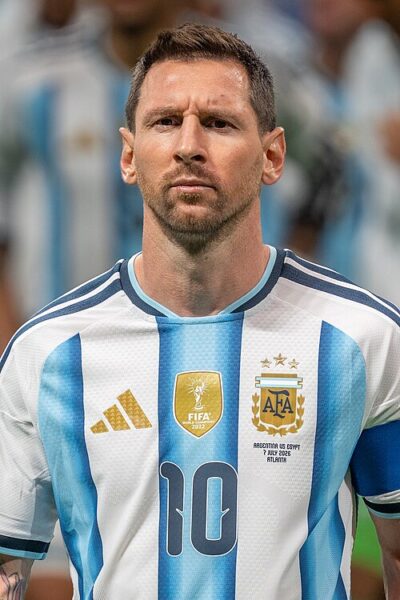 Lionel MessiArgentine association football player (born 1987)
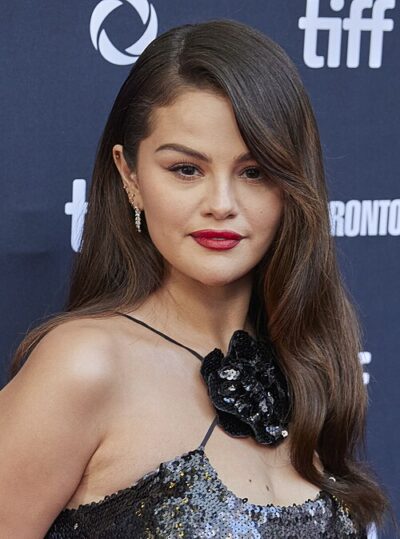 Selena GomezAmerican singer and actress (born 1992)
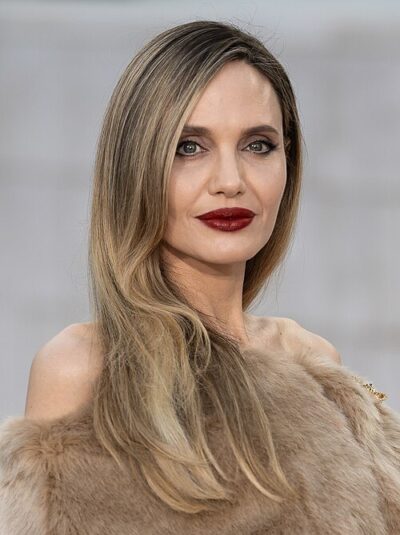 Angelina JolieAmerican actress (born 1975)
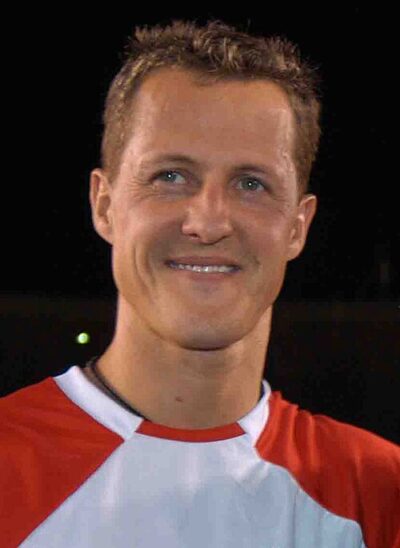 Michael SchumacherGerman racing driver (born 1969)
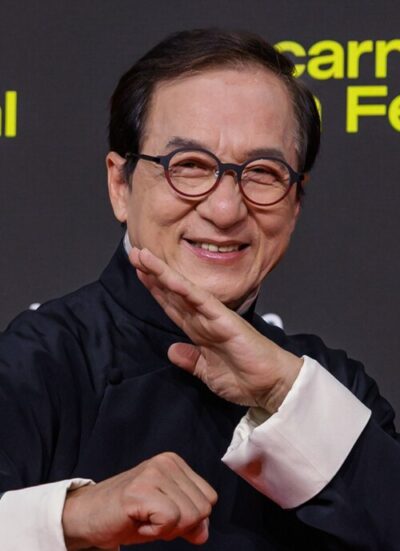 Jackie ChanHong Kong actor and martial artist (born 1954)
 Roger FedererSwiss tennis player (born 1981)
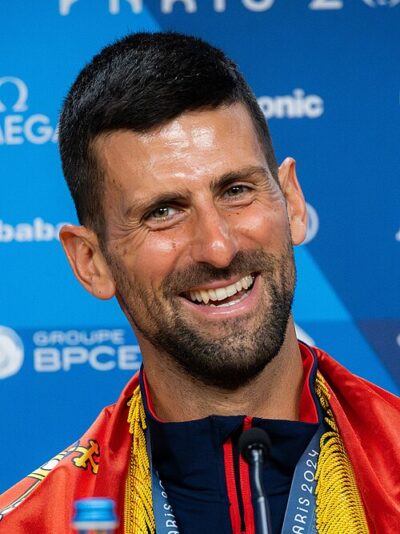 Novak DjokovicSerbian tennis player (born 1987)
 Audrey HepburnBritish actress (1929–1993)
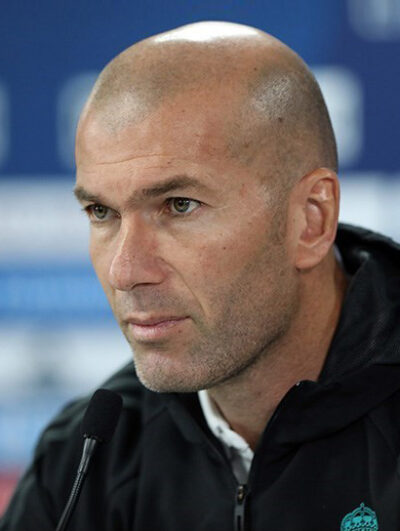 Zinedine ZidaneFrench association football player and coach
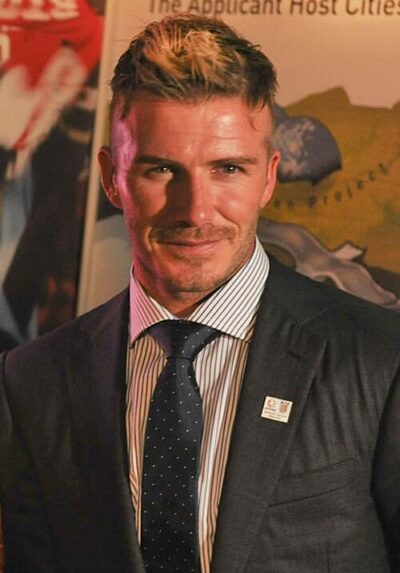 David BeckhamEnglish footballer (born 1975)
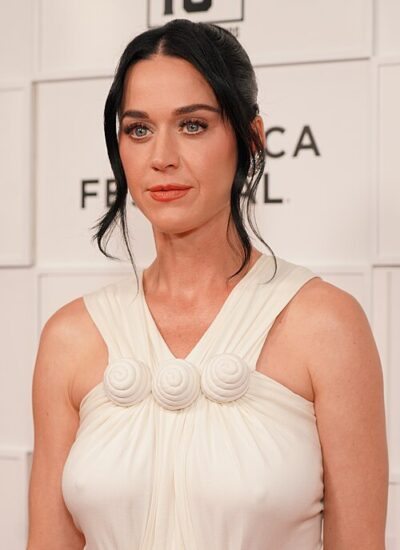 Katy PerryAmerican singer (born 1984)
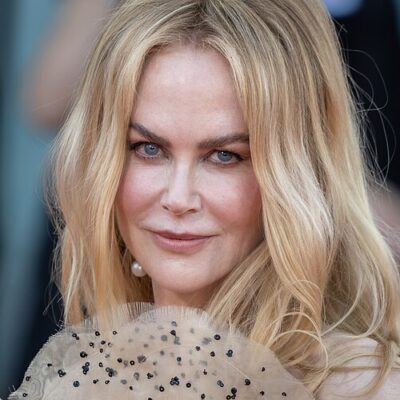 Nicole KidmanAustralian-American actress, producer, and model (born 1967)
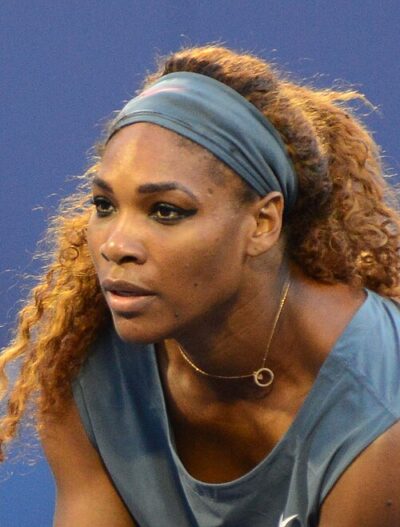 Serena WilliamsAmerican tennis player (born 1981)
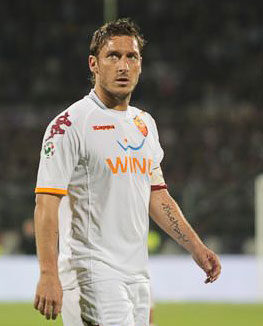 Francesco TottiItalian association football player
 Whoopi GoldbergAmerican actress, comedian, author and television personality (born 1955)
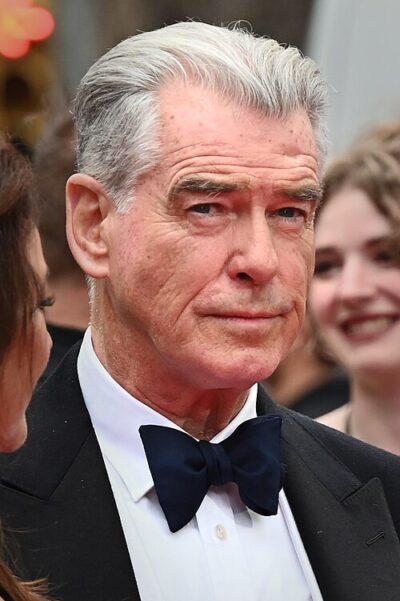 Pierce BrosnanIrish actor (born 1953)
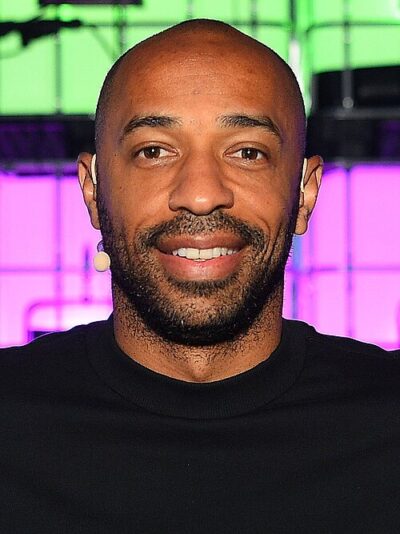 Thierry HenryFrench association football player and manager
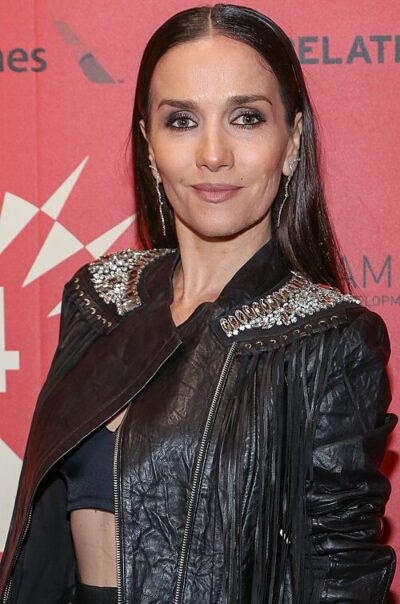 Natalia OreiroUruguayan actress, singer, host, and model
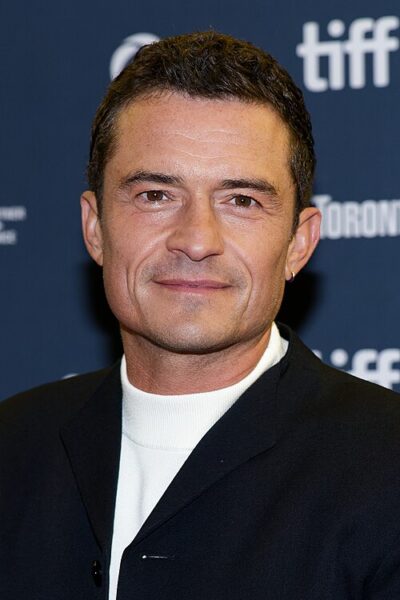 Orlando BloomEnglish actor and model (born 1977)
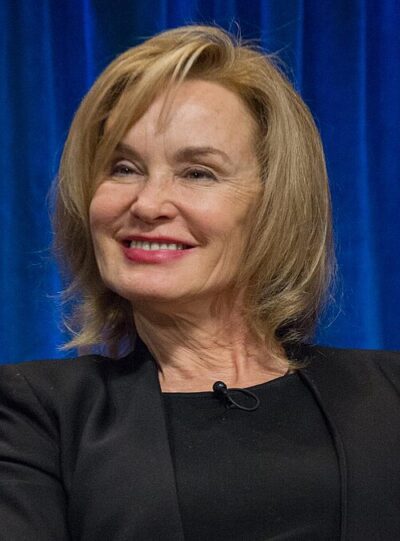 Jessica LangeAmerican actress
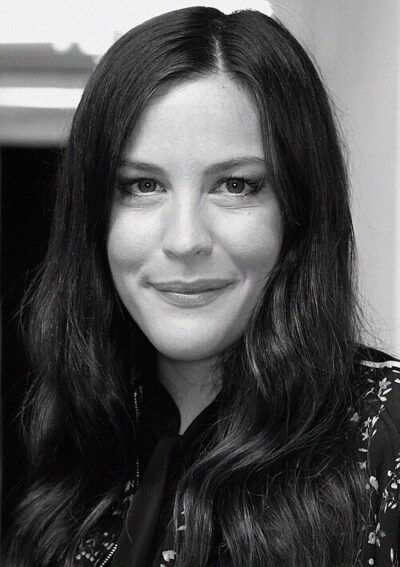 Liv TylerAmerican actress (born 1977)
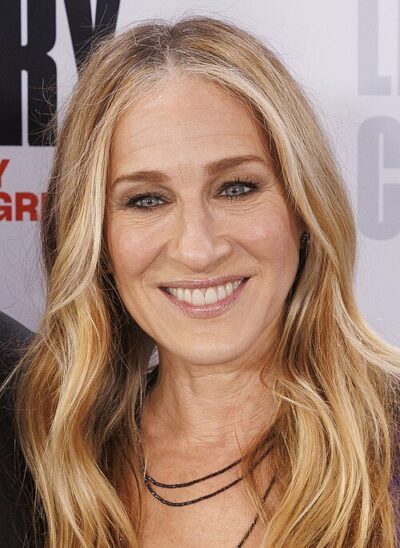 Sarah Jessica ParkerAmerican actress (born 1965)
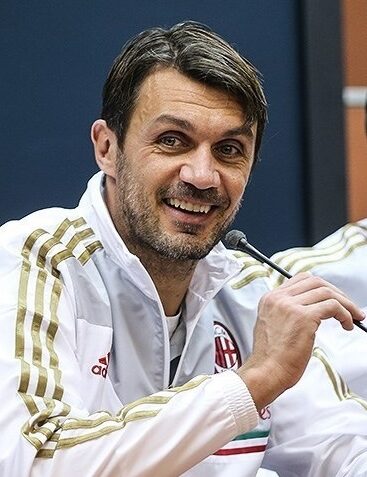 Paolo MaldiniItalian association football player (born 1968)
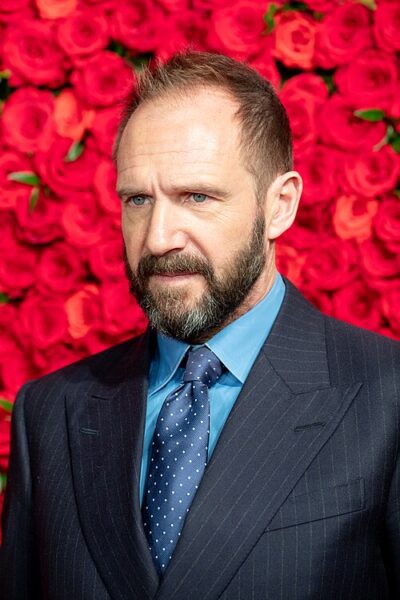 Ralph FiennesEnglish actor, director and producer (born 1962)
and 27 more
