Unification of Italy
Unification of Italy is a creation of the politically and administratively integrated nation of Italy (1815–1871).
All 5 facts, and where they come from
Facts
5 facts · 0 confirmed by two sources · 0 cited · 5 from one source
Where this comes from
Papalocal keeps its own record. It started from these sources; what each one said is kept here as it was copied, so a change on their side never changes this page by itself. Tap one to read its version.
What Wikidata says · copied November 17, 2026 · revision 2568180442
- Described as
- creation of the politically and administratively integrated nation of Italy (1815–1871)
- Other names
- Risorgimento, formation of Italy, Italian Risorgimento, Italian unificatio
- What it is
- political movement; social movement; historical period
- Country
- Kingdom of Italy; Kingdom of Sardinia
- Wikipedias with a page
- 85
Wikidata item Q51122 (wikidata.org/wiki/Q51122), public domain (CC0). Copied 2026-11-17.
What Wikipedia says · copied November 17, 2026 · revision 1384668120
The unification of Italy (Italian: Unità d'Italia [uniˈta‿ddiˈtaːlja]), also known as the Risorgimento (Italian: [risordʒiˈmento]; lit. 'Resurgence'), was the 19th-century political and social movement that in 1861 ended in the annexation of various states of the Italian Peninsula and its outlying isles to the Kingdom of Sardinia, resulting in the creation of the Kingdom of Italy. Inspired by the rebellions in the 1820s and 1830s against the outcome of the Congress of Vienna, the unification process was precipitated by the Revolutions of 1848, and reached completion in 1871 with the official designation of Rome as capital of Italy, following the capture of Rome in 1870.
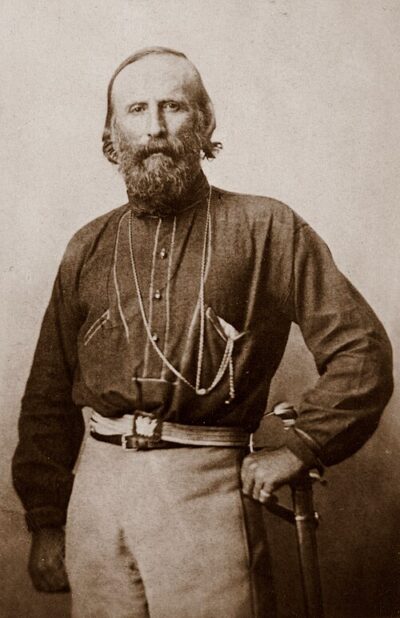
Individuals who played a major part in the struggle for unification and liberation from foreign domination included King Victor Emmanuel II; politician, economist and statesman Camillo Benso, Count of Cavour; general Giuseppe Garibaldi; and journalist and politician Giuseppe Mazzini. Borrowing from the old Latin title Pater Patriae of the Roman emperors, the Italians gave to King Victor Emmanuel II the epithet of Father of the Fatherland (Italian: Padre della Patria). Even after 1871, many ethnic Italian speakers, most notably those living in Trentino and Venezia Giulia, remained outside of the borders of the Kingdom of Italy, planting the seeds of Italian irredentism. The annexation of Trento and Trieste in 1918, at the end of World War I, is often considered the culmination of the Italian unification movement.
Italy celebrates the anniversary of the unification on 17 March (the date of proclamation of the Kingdom of Italy). Some of the states that had been envisaged as part of the unification process (terre irredente) did not join the Kingdom until after Italy defeated Austria-Hungary in World War I, culminating in the Treaty of Rapallo in 1920. Some historians see the Risorgimento as continuing to that time, which is the view presented at the Central Museum of the Risorgimento at Altare della Patria in Rome.
From the Wikipedia article “Unification of Italy” (en.wikipedia.org/wiki/Unification_of_Italy), by its contributors, under CC BY-SA 4.0 (creativecommons.org/licenses/by-sa/4.0/). Copied 2026-11-17; not changed.
Confirmed Two sources agree. Cited One source, and it names where it got it. One source One source, without a reference of its own. Sources disagree The sources disagree. We show the best-supported value and keep theirs below.
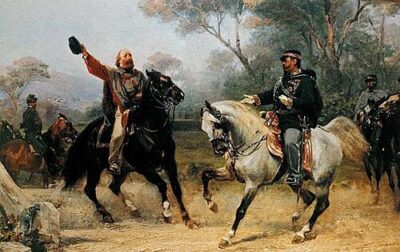
Picture: Sebastiano De Albertis, via Wikimedia Commons · Public domain