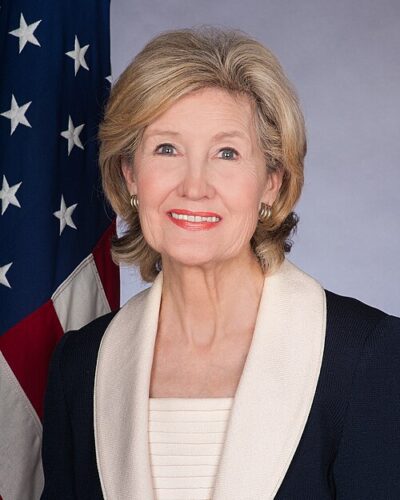
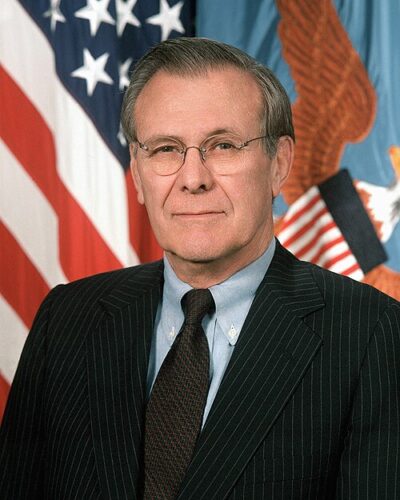
United States Permanent Representative to NATO
The United States Permanent Representative to NATO is an American official; ambassador to NATO. It was created in 1953.
- Country
- NATO
- Created
- April 8, 1953
All 4 facts, and where they come from
Facts
4 facts · 0 confirmed by two sources · 0 cited · 4 from one source
Where this comes from
Papalocal keeps its own record. It started from these sources; what each one said is kept here as it was copied, so a change on their side never changes this page by itself. Tap one to read its version.
What Wikidata says · copied November 16, 2026 · revision 2559215677
- Described as
- American official; ambassador to NATO
- Other names
- United States Ambassador to NATO, U.S. Ambassador to the North Atlantic Treaty Organization
- What it is
- public office
- Created
- April 8, 1953
- Country
- NATO
- Official website
- https://nato.usmission.gov
- Wikipedias with a page
- 9
Wikidata item Q7890889 (wikidata.org/wiki/Q7890889), public domain (CC0). Copied 2026-11-16.
What Wikipedia says · copied November 16, 2026 · revision 1373725718
The United States permanent representative to NATO (commonly referred to as the U.S. ambassador to NATO) is the official representative of the United States mission to NATO. The representative has the rank of full ambassador and is appointed by the president and confirmed by the Senate. The official title of the representative is United States permanent representative on the Council of the North Atlantic Treaty Organization, with the rank and status of ambassador extraordinary and plenipotentiary.
The first representative was appointed by President Dwight D. Eisenhower in 1953, which was William H. Draper Jr.
From the Wikipedia article “List of United States permanent representatives to NATO” (en.wikipedia.org/wiki/List_of_United_States_permanent_representatives_to_NATO), by its contributors, under CC BY-SA 4.0 (creativecommons.org/licenses/by-sa/4.0/). Copied 2026-11-16; not changed.
Confirmed Two sources agree. Cited One source, and it names where it got it. One source One source, without a reference of its own. Sources disagree The sources disagree. We show the best-supported value and keep theirs below.