

University of Porto
The University of Porto is a public research university in Porto, Portugal. It was founded in 1911. Its headquarters are in the Rectory of the University of Oporto. It won the Honorary Member of the Military Order of Saint James of the Sword.
- Located in
- Porto
- Country
- Portugal
- Founded
- 1911
- What it is
- public research university
All 9 facts, and where they come from
Facts
9 facts · 0 confirmed by two sources · 5 cited · 4 from one source
Where this comes from
Papalocal keeps its own record. It started from these sources; what each one said is kept here as it was copied, so a change on their side never changes this page by itself. Tap one to read its version.
What Wikidata says · copied November 17, 2026 · revision 2569516058
- Described as
- public research university in Porto, Portugal
- Other names
- U.Porto, Universidade do Porto
- What it is
- public research university · 1 reference; open-access publisher · 1 reference; academic archive · 1 reference
- Founded
- 1911
- Headquarters
- Rectory of the University of Oporto (2 times) (1911–)
- Located in
- Porto · 1 reference
- Country
- Portugal · 5 references
- Awards
- Honorary Member of the Military Order of Saint James of the Sword · 1 reference
- Official website
- http://www.up.pt
- Wikipedias with a page
- 31
Wikidata item Q1422903 (wikidata.org/wiki/Q1422903), public domain (CC0). Copied 2026-11-17.
What Wikipedia says · copied November 17, 2026 · revision 1383339062
The University of Porto (Portuguese: Universidade do Porto, U.Porto) is a public research university in Porto, Portugal, and one of the country's leading institutions of higher education and scientific research. It was created by decree of the provisional government of the First Portuguese Republic on 22 March 1911, at the same time as the University of Lisbon, on the basis of schools founded in the city from 1762 onwards, which had given rise to the Polytechnic Academy (1837) and the Medical-Surgical School (1836). Since 2009 it has been a public foundation governed by private law. It comprises fifteen constituent units – thirteen faculties, the Abel Salazar Institute of Biomedical Sciences and the Nursing School – and, excluding the Nursing School, had 35,815 students in 2024/25, of whom 4,536 were doctoral candidates; international students, of 119 nationalities, made up 14% of the total.
The university is associated with the Porto school of architecture, which produced the two Portuguese winners of the Pritzker Architecture Prize, and with a tradition of biomedical research, particularly on familial amyloid polyneuropathy and hereditary diffuse gastric cancer. Its first Faculty of Letters (1919–1928), where the philosopher Leonardo Coimbra taught, is regarded by some authors as the origin of a Porto school of philosophy. Its former students and teachers include the writers Camilo Castelo Branco, Júlio Dinis and Jorge de Sena, the physician and scientist Abel Salazar and two presidents of Portugal.
An urban university, it is organised in three campuses integrated into the city – in the city centre, at Campo Alegre and at Asprela – and has further facilities in Matosinhos, Vila do Conde and Vila Nova de Gaia. Between 2020 and 2024 its researchers signed 24% of the citable Portuguese scientific documents indexed in the Web of Science. It is placed among the top three Portuguese institutions in the main general rankings, and in the 2025 CWTS Leiden Ranking it was the Portuguese university with the most publications among the 10% most cited in the world.
The university runs a science and technology park, UPTEC, and twelve museum spaces, the largest of which is the Museum of Natural History and Science. Its student traditions include the Queima das Fitas, which grew out of a celebration of final-year medical students first held in 1920, and its University Stadium, opened at Campo Alegre in 1953, was the first university stadium in Portugal.
From the Wikipedia article “University of Porto” (en.wikipedia.org/wiki/University_of_Porto), by its contributors, under CC BY-SA 4.0 (creativecommons.org/licenses/by-sa/4.0/). Copied 2026-11-17; not changed.
Confirmed Two sources agree. Cited One source, and it names where it got it. One source One source, without a reference of its own. Sources disagree The sources disagree. We show the best-supported value and keep theirs below.
Picture: Wikimedia Commons: Clérigos (53939838503).jpg · See Commons file page
People connected 10
Studied here
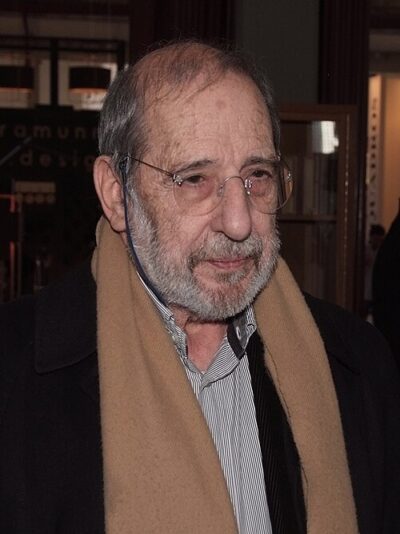 Álvaro Siza VieiraPortuguese architect (1933-)
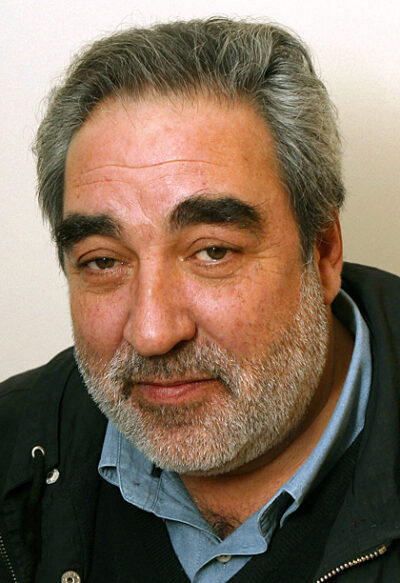 Eduardo Souto de MouraPortuguese architect (1952-)
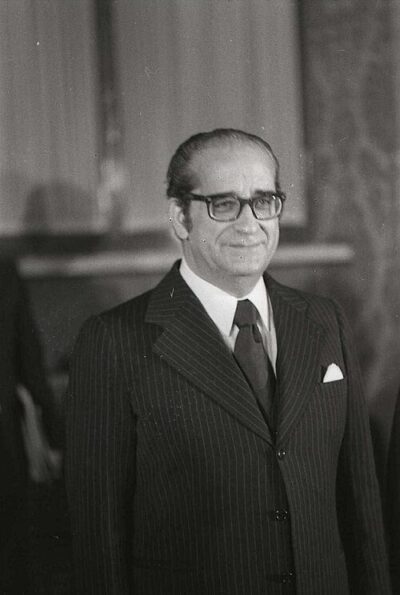 Francisco da Costa GomesPortuguese military officer and politician (1914–2001)
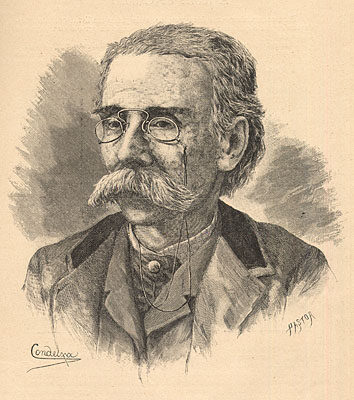 Camilo Castelo Branco19th-century Portuguese writer (1825–1890)
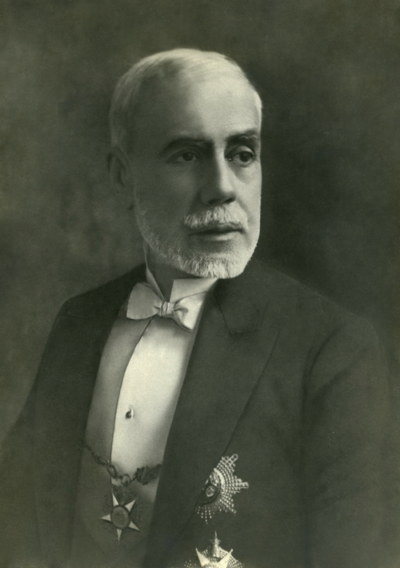 Manuel Teixeira GomesPortuguese politician and writer (1860–1941)
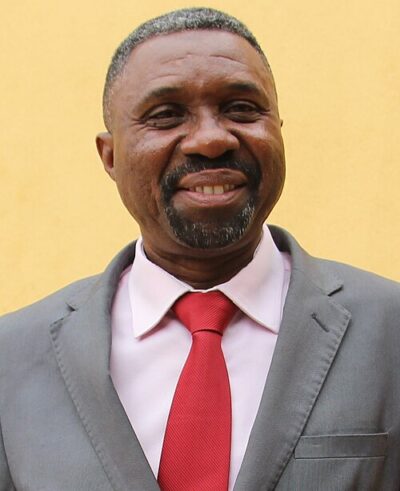 Jorge Bom JesusPrime Minister of São Tomé and Príncipe
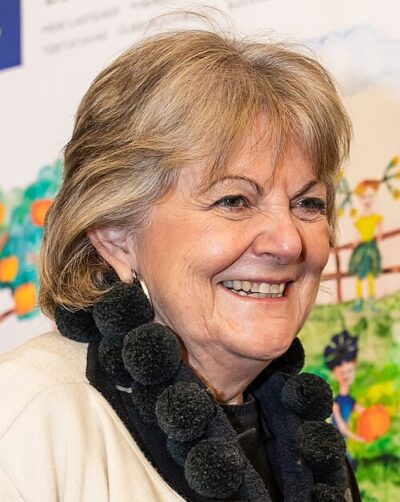 Elisa Ferreira (–1977)Portuguese politician
 Alberto Vaquina (1986–1992)Mozambique politician
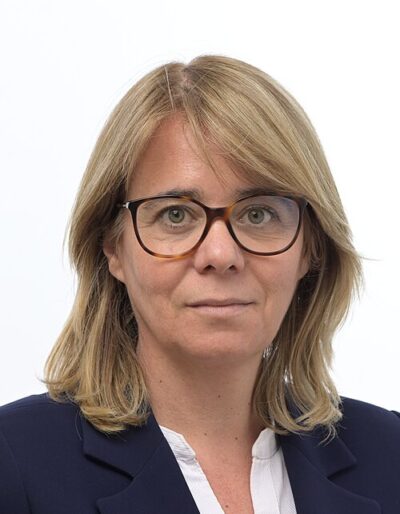 Catarina MartinsPortuguese politician
