
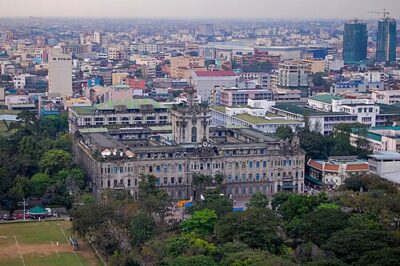
University of Santo Tomas
The University of Santo Tomas is a private pontifical university in Manila. It was founded in 1611. 33,013 students study there. It won the Necktie of the Civil Order of Alfonso X the Wise.
- Located in
- Sampaloc
- Country
- Philippines
- Founded
- 1611
- Students
- 33,013
- What it is
- pontifical university
All 10 facts, and where they come from
Facts
10 facts · 0 confirmed by two sources · 3 cited · 7 from one source
Where this comes from
Papalocal keeps its own record. It started from these sources; what each one said is kept here as it was copied, so a change on their side never changes this page by itself. Tap one to read its version.
What Wikidata says · copied November 17, 2026 · revision 2510837469
- Described as
- private pontifical university in Manila
- Other names
- UST, Pontifical and Royal University of Santo Tomas, Catholic University of the Philippines
- What it is
- pontifical university; research university; open-access publisher · 1 reference
- Founded
- 1611
- Headquarters
- Manila · 1 reference
- Located in
- Sampaloc
- Country
- Philippines · 1 reference
- Students
- 33,013 · 1 reference
- Awards
- Necktie of the Civil Order of Alfonso X the Wise (1962) · 1 reference
- Official website
- http://www.ust.edu.ph
- Wikipedias with a page
- 21
Wikidata item Q1401524 (wikidata.org/wiki/Q1401524), public domain (CC0). Copied 2026-11-17.
What Wikipedia says · copied November 17, 2026 · revision 1383913556
The University of Santo Tomas (UST; Filipino: Unibersidad ng Santo Tomás), officially the Pontifical and Royal University of Santo Tomas, The Catholic University of the Philippines or colloquially as Ustê (pronounced [usˈtɛʔ]), is a private Catholic research university in Manila, Philippines. Founded on April 28, 1611, by Spanish friar Miguel de Benavides, third Archbishop of Manila, it has the oldest extant university charter in Asia and is one of the world's largest Catholic universities in terms of enrollment found on one campus. It is the main campus of the University of Santo Tomas System that is run by the Order of Preachers.
UST was granted the title Royal by King Charles III of Spain in 1785. Pope Leo XIII made UST a pontifical university in 1902. Pope Pius XII bestowed the title of The Catholic University of the Philippines in 1947. The university houses the first and oldest engineering, law, medical, and pharmacy schools in the country. The main campus is the largest university in the city of Manila and is home to 22 degree-granting colleges, a parish church, and a teaching hospital. The National Museum of the Philippines declared four of the university's structures and the UST Baybayin Documents as National Cultural Treasures.
The university offers programs in over 180 undergraduate and graduate specializations. It has 26 programs recognized by the Commission on Higher Education (CHED) as Centers of Excellence and Centers of Development. It is awarded institutional accreditation by the CHED through the Federation of Accrediting Agencies of the Philippines (FAAP). The university has the highest number of Philippine Association of Colleges and Universities' Commission on Accreditation (PACUCOA)-accredited programs in the country, with 59.
UST alumni and faculty include 30 Catholic saints, four presidents of the Philippines, 17 senators, nine chief justices, 22 national artists, a national scientist, and five billionaires. The athletic teams are the Growling Tigers, who are members of the University Athletic Association of the Philippines and have won the overall championships more than any other university.
From the Wikipedia article “University of Santo Tomas” (en.wikipedia.org/wiki/University_of_Santo_Tomas), by its contributors, under CC BY-SA 4.0 (creativecommons.org/licenses/by-sa/4.0/). Copied 2026-11-17; not changed.
Confirmed Two sources agree. Cited One source, and it names where it got it. One source One source, without a reference of its own. Sources disagree The sources disagree. We show the best-supported value and keep theirs below.
Picture: Vincent Alexei Betos, via Wikimedia Commons · CC BY-SA 2.0
People connected 14
Studied here
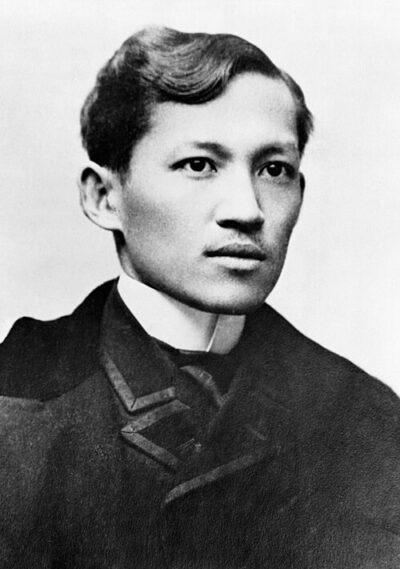 José RizalFilipino nationalist, writer and polymath (1861–1896)
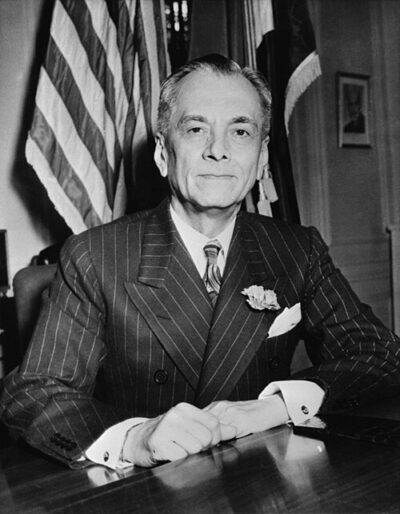 Manuel L. Quezon (–1903)President of the Philippines from 1935 to 1944
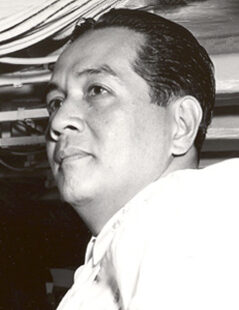 Diosdado MacapagalPresident of the Philippines from 1961 to 1965
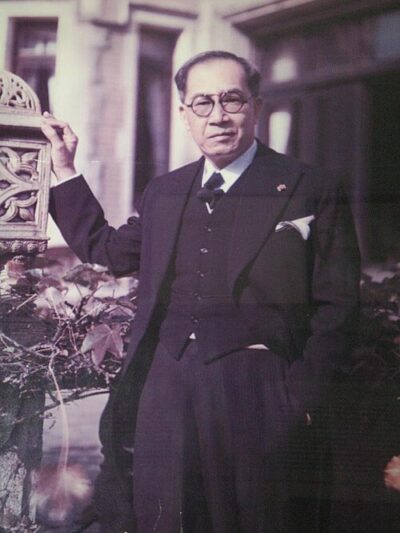 José Paciano LaurelPresident of the Philippines from 1943 to 1945
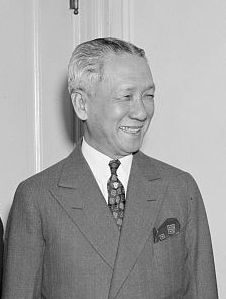 Sergio Osmeña(1878-1961) President of the Philippines from 1944 to 1946
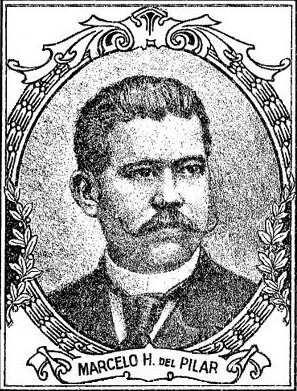 Marcelo H. del PilarFilipino writer, lawyer, and journalist (1850–1896)
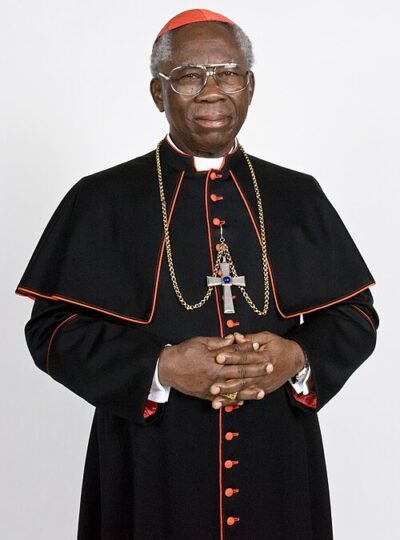 Francis Arinze (2001)catholic cardinal from Nigeria
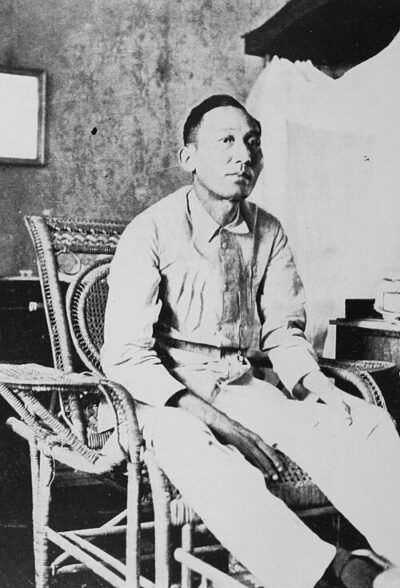 Apolinario MabiniPrime Minister of the Philippines in 1899
 Sarah GeronimoFilipino singer and actress (born 1988)
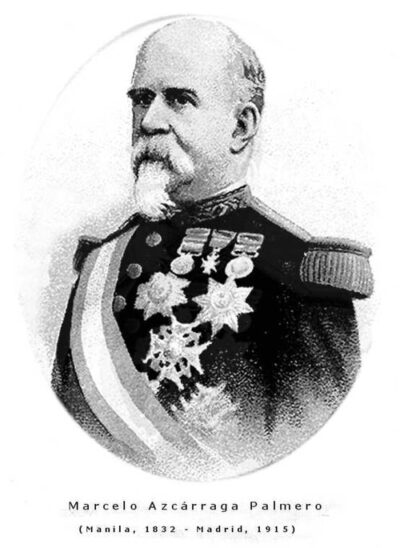 Marcelo Azcárraga PalmeroSpanish politician (1832–1915)
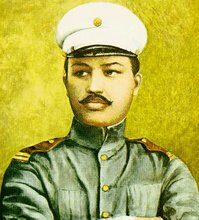 Antonio LunaPhilippine researcher, reformist, military general and statesman (1866–1899)
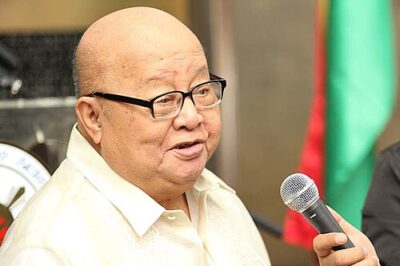 F. Sionil JoséFilipino writer (1924–2022)
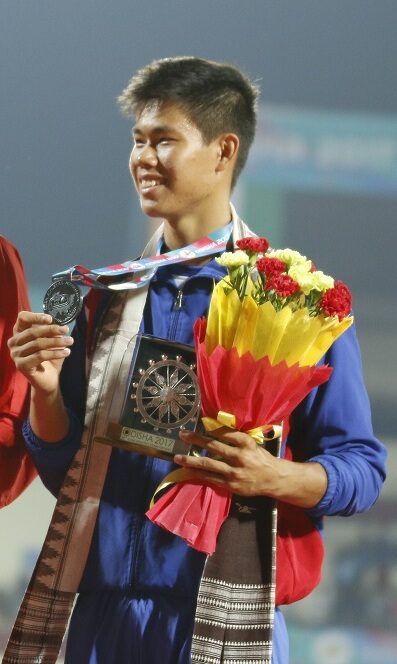 Ernest John ObienaFilipino athletics competitor
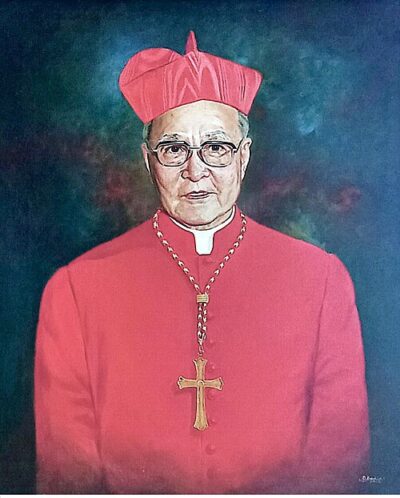 Jose Tomas SanchezCatholic cardinal (1920–2012)
