University of Tsukuba
The University of Tsukuba is a university in Ibaraki Prefecture, Japan. It was founded in 1973. Its headquarters are in Tennodai. 16,684 students study there (2025).
- Located in
- Tsukuba
- Country
- Japan
- Founded
- 1973
- Students
- 16,684 (2025)
- What it is
- national university
All 10 facts, and where they come from
Facts
10 facts · 0 confirmed by two sources · 3 cited · 7 from one source
Where this comes from
Papalocal keeps its own record. It started from these sources; what each one said is kept here as it was copied, so a change on their side never changes this page by itself. Tap one to read its version.
What Wikidata says · copied November 17, 2026 · revision 2511464372
- Described as
- university in Ibaraki Prefecture, Japan
- Other names
- Tsukuba daigaku, Tsukuba University
- What it is
- national university; research university; academic publisher
- Founded
- 1973
- Headquarters
- Tennodai
- Located in
- Tsukuba
- Country
- Japan · 1 reference
- Chair
- Kyōsuke Nagata (2013–) · 1 reference
- Students
- 16,507 (2022) · 1 reference
- Official website
- https://www.tsukuba.ac.jp/
- Wikipedias with a page
- 32
Wikidata item Q743615 (wikidata.org/wiki/Q743615), public domain (CC0). Copied 2026-11-17.
What Wikipedia says · copied November 17, 2026 · revision 1383055805
The University of Tsukuba (筑波大学, Tsukuba daigaku) is a national research university in Tsukuba, Ibaraki Prefecture, Japan. Chartered in October 1973 as Japan's first "new concept university" (新構想大学, shinkōsō daigaku) with the Tokyo University of Education as its parent institution, it traces its origins to the first normal school in Japan, established in Tokyo in 1872, which gives it one of the oldest institutional lineages of any Japanese university. It is one of the pre-war government-established (kanritsu) universities and, together with Hiroshima University, one of the two successors of the former "universities of literature and science" (bunrika daigaku).
The university has been selected as a "Top Type" (Type A) institution under the Ministry of Education, Culture, Sports, Science and Technology (MEXT) Super Global University program and was designated a designated national university corporation in 2020.
The university comprises ten undergraduate schools subdivided into colleges, an additional school located overseas, and graduate programs organized under three academic gateways, with around 16,500 students. The main Tsukuba campus covers 258 hectares (636 acres), making it the second-largest single university campus in Japan. A branch campus in Bunkyō, Tokyo, offers evening graduate programs for working adults and administers the university's eleven laboratory (attached) schools in the Greater Tokyo area. In September 2024 the university opened a school on the campus of the University of Malaya in Kuala Lumpur, the first case of a Japanese university establishing a degree-awarding undergraduate school abroad.
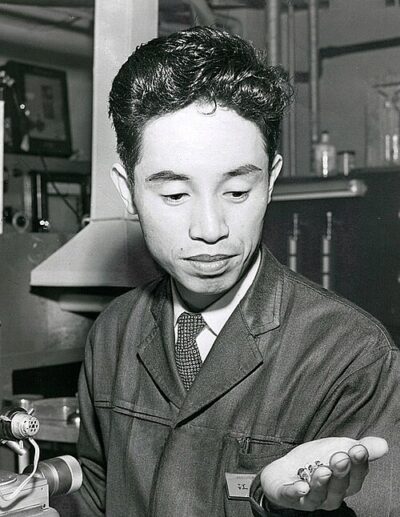
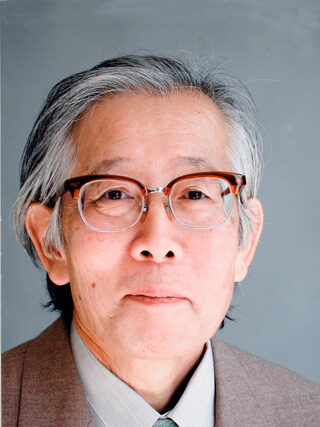
Three Nobel Prize laureates have taught at the university or its predecessor: Sin-Itiro Tomonaga, Leo Esaki and Hideki Shirakawa. A fourth laureate, Satoshi Ōmura, studied at the Tokyo University of Education as an auditing student.
From the Wikipedia article “University of Tsukuba” (en.wikipedia.org/wiki/University_of_Tsukuba), by its contributors, under CC BY-SA 4.0 (creativecommons.org/licenses/by-sa/4.0/). Copied 2026-11-17; not changed.
Confirmed Two sources agree. Cited One source, and it names where it got it. One source One source, without a reference of its own. Sources disagree The sources disagree. We show the best-supported value and keep theirs below.
Picture: Wikimedia Commons: 5C building.JPG · See Commons file page
People connected 99
Studied here 96
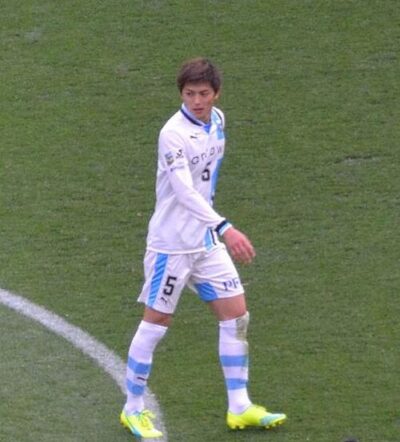 Shōgo TaniguchiJapanese association football player
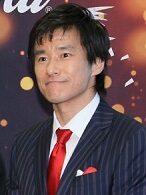 Masashi NakayamaJapanese association football player and manager
- MMasami IharaJapanese association football player and manager
 Jungo FujimotoJapanese association football player
 Akira MatsunagaJapanese association football player (1914–1943)
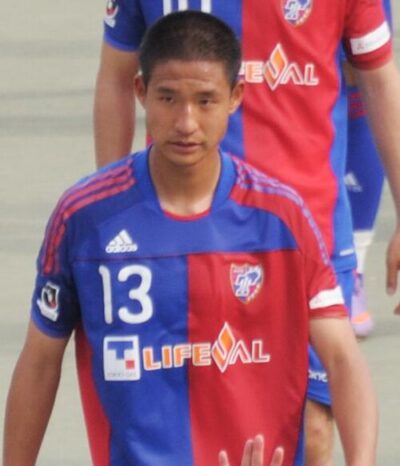 Sōta HirayamaJapanese association football player
- TToshiya FujitaJapanese association football player
 Kenta HasegawaJapanese association football player and manager
- SShigeyoshi MochizukiJapanese association football player
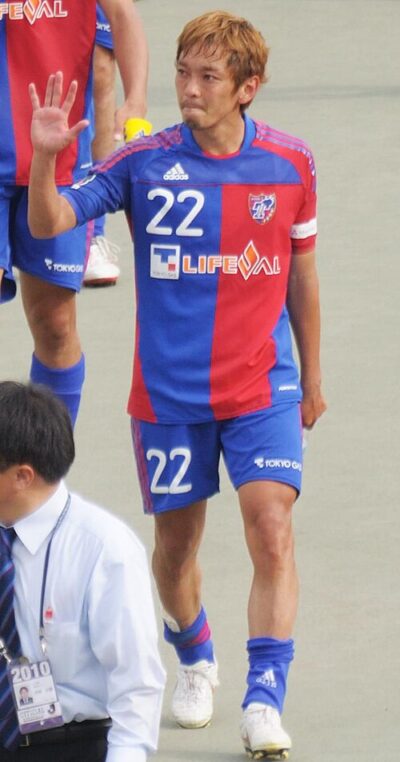 Naotake HanyuJapanese association football player
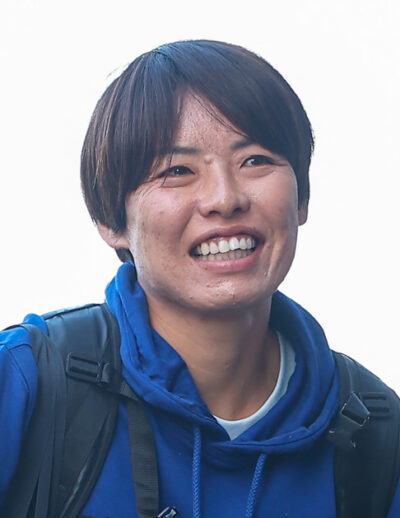 Saki KumagaiJapanese association football player
- MMichihiro OzawaJapanese association football player
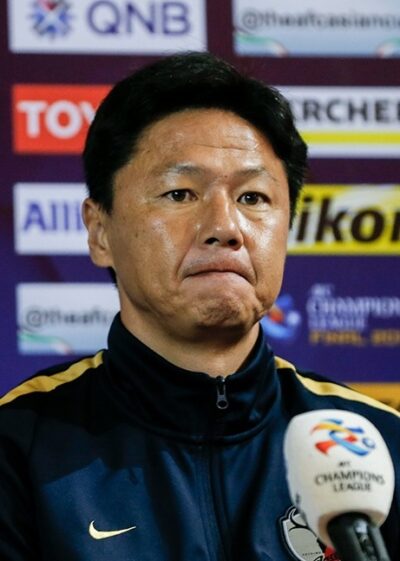 Go OiwaJapanese association football player and manager
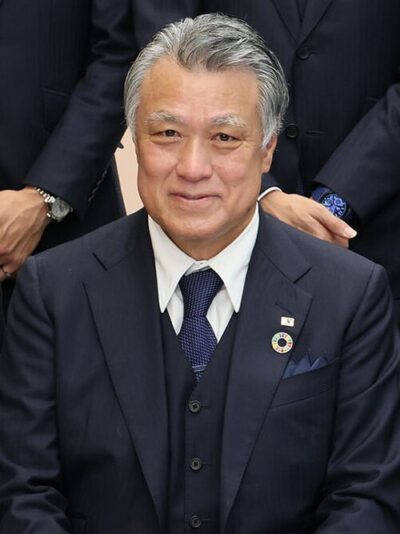 Kozo TashimaJapanese footballer (born 1957)
- YYahiro KazamaJapanese association football player and manager
- SShinichiro TaniJapanese association football player
- TTakeshi KoshidaJapanese association football player
- YYasuharu KurataJapanese association football player and manager
- TTomoyasu AsaokaJapanese association football player (1962–2021)
- NNobuo MatsunagaJapanese association football player (1921–2007)
- HHiroyuki SakashitaJapanese association football player
- YYoshiro MoriyamaJapanese association football player and manager
- HHiroto MuraokaJapanese association football player (1931–2017)
- JJunji KawanoJapanese association football player
and 72 more