Uri Party
The Uri Party is a 2003–2007 political party in South Korea. Its headquarters are in Yeongdeungpo District. It stands for social liberalism.
- Country
- South Korea
- Founded
- November 11, 2003
- Ideology
- social liberalism
All 8 facts, and where they come from
Facts
8 facts · 0 confirmed by two sources · 0 cited · 8 from one source
Where this comes from
Papalocal keeps its own record. It started from these sources; what each one said is kept here as it was copied, so a change on their side never changes this page by itself. Tap one to read its version.
What Wikidata says · copied November 17, 2026 · revision 2560055879
- Described as
- 2003–2007 political party in South Korea
- Other names
- Yeollin Uri Party, Open Party, Our Open Party
- What it is
- political party; former liberal party
- Followed by
- United New Democratic Party
- Founded
- November 11, 2003
- Ended
- August 20, 2007 · 1 reference
- Headquarters
- Yeongdeungpo District
- Country
- South Korea · 1 reference
- Ideology
- social liberalism
- Wikipedias with a page
- 13
Wikidata item Q489124 (wikidata.org/wiki/Q489124), public domain (CC0). Copied 2026-11-17.
What Wikipedia says · copied November 17, 2026 · revision 1383987187
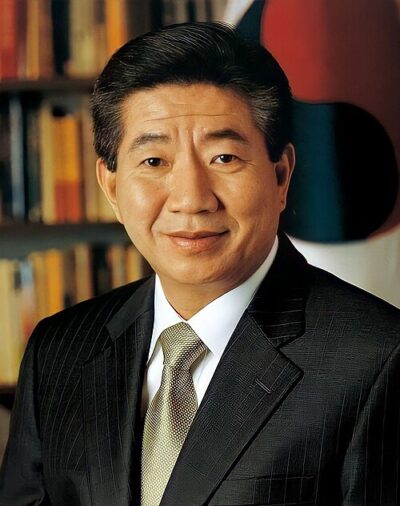
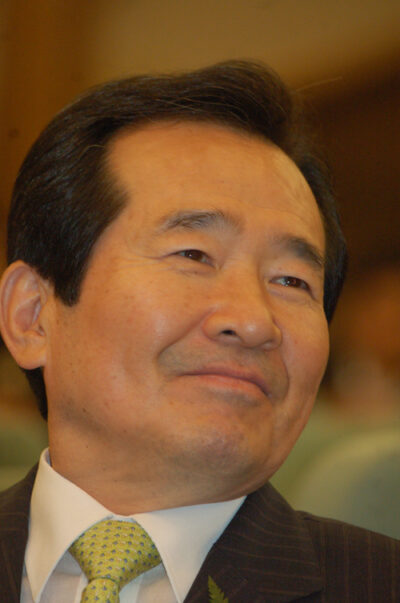
The Yeollin Uri Party (Korean: 열린우리당; lit. 'Our Open Party'), generally abbreviated to Uri Party (우리당), was the ruling social-liberal political party in South Korea from 2003 to 2007. A liberal party, it was created to support then-President Roh Moo-hyun. Chung Sye Kyun was the last leader of the party and twice served as its chairman. In 2007 the party merged the United New Democratic Party to form the Democratic Party. The current-day descendant of the party is the Democratic Party of Korea, but progressives in the party have become members of the Justice Party and Social Democratic Party.
From the Wikipedia article “Uri Party” (en.wikipedia.org/wiki/Uri_Party), by its contributors, under CC BY-SA 4.0 (creativecommons.org/licenses/by-sa/4.0/). Copied 2026-11-17; not changed.
Confirmed Two sources agree. Cited One source, and it names where it got it. One source One source, without a reference of its own. Sources disagree The sources disagree. We show the best-supported value and keep theirs below.