van der Waals radius
Van der Waals radius is an in chemistry, a measure for the size of an atom that is not chemically (ionically or covalently) bound; half the closest distance of two equal, non-covalently bound, atoms.
All 2 facts, and where they come from
Facts
2 facts · 0 confirmed by two sources · 0 cited · 2 from one source
Where this comes from
Papalocal keeps its own record. It started from these sources; what each one said is kept here as it was copied, so a change on their side never changes this page by itself. Tap one to read its version.
What Wikidata says · copied November 17, 2026 · revision 2561104067
- Described as
- in chemistry, a measure for the size of an atom that is not chemically (ionically or covalently) bound; half the closest distance of two equal, non-covalently bound, atoms
- What it is
- physical phenomenon
- Named after
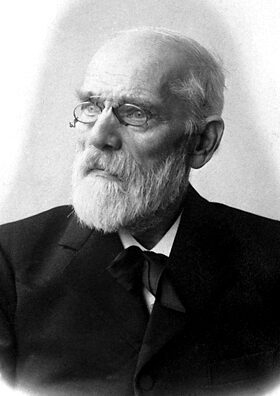
- Johannes Diderik van der Waals
- Wikipedias with a page
- 48
Wikidata item Q166879 (wikidata.org/wiki/Q166879), public domain (CC0). Copied 2026-11-17.
What Wikipedia says · copied November 17, 2026 · revision 1379342114
The van der Waals radius, rw, of an atom is the radius of an imaginary hard sphere representing the distance of closest approach for another atom.
It is named after Johannes Diderik van der Waals, winner of the 1910 Nobel Prize in Physics, as he was the first to recognise that atoms were not simply points and to demonstrate the physical consequences of their size through the van der Waals equation of state.
From the Wikipedia article “Van der Waals radius” (en.wikipedia.org/wiki/Van_der_Waals_radius), by its contributors, under CC BY-SA 4.0 (creativecommons.org/licenses/by-sa/4.0/). Copied 2026-11-17; not changed.
Confirmed Two sources agree. Cited One source, and it names where it got it. One source One source, without a reference of its own. Sources disagree The sources disagree. We show the best-supported value and keep theirs below.