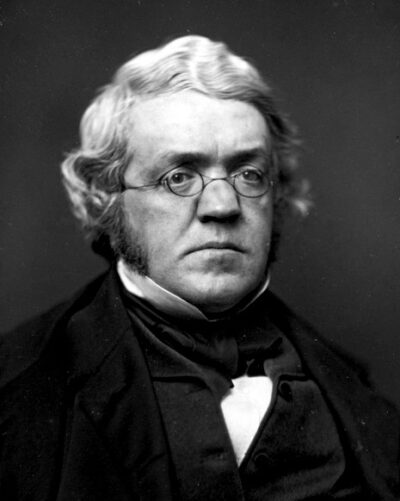
Vanity Fair
Vanity Fair is a 1848 novel by William Makepeace Thackeray.
- Published
- 1848
- Written by
- William Makepeace Thackeray
- Genre
- satirical fiction
- Country of origin
- United Kingdom
All 8 facts, and where they come from
Facts
8 facts · 0 confirmed by two sources · 0 cited · 8 from one source
Where this comes from
Papalocal keeps its own record. It started from these sources; what each one said is kept here as it was copied, so a change on their side never changes this page by itself. Tap one to read its version.
What Wikidata says · copied November 17, 2026 · revision 2550073706
- Described as
- 1848 novel by William Makepeace Thackeray
- What it is
- literary work
- Written by
- William Makepeace Thackeray
- Publisher
- Punch
- Genre
- satirical fiction
- Published
- 1848
- Language
- English
- Country of origin
- United Kingdom
- Comes after
- Mrs. Perkins's Ball · 1 reference
- Wikipedias with a page
- 43
Wikidata item Q612836 (wikidata.org/wiki/Q612836), public domain (CC0). Copied 2026-11-17.
What Wikipedia says · copied November 17, 2026 · revision 1384221241
Vanity Fair is a satirical novel by the English author William Makepeace Thackeray, which follows the lives of Becky Sharp and Amelia Sedley amid their friends and families during and after the Napoleonic Wars. It was first published as a 19-volume monthly serial (the last containing parts 19 and 20) from 1847 to 1848, carrying the subtitle Pen and Pencil Sketches of English Society, which reflects both its satirisation of early 19th-century British society and the many illustrations drawn by Thackeray to accompany the text. It was published as a single volume in 1848 with the subtitle A Novel without a Hero. It is sometimes considered the "principal founder" of the Victorian domestic novel.
The story is framed as a puppet play, and the narrator, despite being an authorial voice, is somewhat unreliable. The serial was a popular and critical success; the novel is now considered a classic and has inspired several audio, film, and television adaptations. It also inspired the title of the British lifestyle magazine first published in 1868, which became known for its caricatures of famous people of Victorian and Edwardian society. In 2003, Vanity Fair was listed at No. 122 on the BBC's The Big Read poll of the UK's best-loved books.
From the Wikipedia article “Vanity Fair (novel)” (en.wikipedia.org/wiki/Vanity_Fair_(novel)), by its contributors, under CC BY-SA 4.0 (creativecommons.org/licenses/by-sa/4.0/). Copied 2026-11-17; not changed.
Confirmed Two sources agree. Cited One source, and it names where it got it. One source One source, without a reference of its own. Sources disagree The sources disagree. We show the best-supported value and keep theirs below.
Picture: Wikimedia Commons: Vanity Fair 01 cover.jpg · See Commons file page