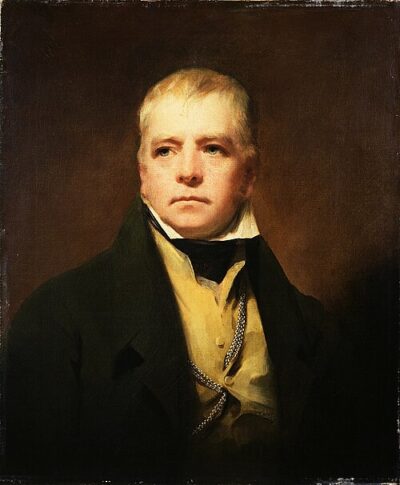
Waverley
Waverley is a 1814 novel by Walter Scott. It is part of Waverley Novels.
- Published
- July 7, 1814
- Written by
- Walter Scott
- Genre
- picaresque novel
- Country of origin
- United Kingdom
All 13 facts, and where they come from
Facts
13 facts · 0 confirmed by two sources · 1 cited · 12 from one source
Where this comes from
Papalocal keeps its own record. It started from these sources; what each one said is kept here as it was copied, so a change on their side never changes this page by itself. Tap one to read its version.
What Wikidata says · copied November 17, 2026 · revision 2555882469
- Described as
- 1814 novel by Walter Scott
- What it is
- literary work
- Written by
- Walter Scott
- Publisher
- Archibald Constable; Constable & Robinson · 1 reference
- Genre
- picaresque novel; Bildungsroman; historical fiction
- Published
- July 7, 1814 · 1 reference
- Language
- Scots; Scottish Gaelic
- Country of origin
- United Kingdom
- Part of the series
- Waverley Novels
- Followed by
- Guy Mannering · 1 reference
- Wikipedias with a page
- 23
Wikidata item Q678251 (wikidata.org/wiki/Q678251), public domain (CC0). Copied 2026-11-17.
What Wikipedia says · copied November 17, 2026 · revision 1384222962
Waverley; or, ’Tis Sixty Years Since is a historical novel by Walter Scott (1771–1832). Scott was already famous as a poet, and chose to publish Waverley anonymously in 1814 as his first venture into prose fiction. It is often regarded as one of the first historical novels in the Western tradition.
Edward Waverley, a young English gentleman, is commissioned into a Scottish regiment shortly before the Jacobite rising of 1745. He goes on leave to visit a family friend, the Baron of Bradwardine, and is shocked to find that Bradwardine and his followers are supporters of Charles Edward Stuart, the exiled Jacobite prince. Waverley is forced to choose between his loyalty to the Crown and his admiration for the Jacobites' romantic cause. His gentlemanly actions gain him friends in this precarious situation, on both sides of the rising, who stand him in good stead when the Jacobites are eventually defeated.
Scott chose to publish his later novels as being "by the author of Waverley". In a letter shortly after publication, Scott writes: "I shall not own Waverley; my chief reason is that it would prevent me of the pleasure of writing again." His series of works on similar themes written during the same period have become collectively known as the "Waverley novels". The novel was well received by contemporary critics, and well liked by those who purchased novels in the early 19th century. It has continued in favour with later critics.
In 1818 Scott was granted a baronetcy, becoming Sir Walter Scott. It was an open secret that he was "the author of Waverley", and he admitted this at a public dinner in 1827.
From the Wikipedia article “Waverley (novel)” (en.wikipedia.org/wiki/Waverley_(novel)), by its contributors, under CC BY-SA 4.0 (creativecommons.org/licenses/by-sa/4.0/). Copied 2026-11-17; not changed.
Confirmed Two sources agree. Cited One source, and it names where it got it. One source One source, without a reference of its own. Sources disagree The sources disagree. We show the best-supported value and keep theirs below.
Picture: Wikimedia Commons: Walter Scott Waverley illustration (Pettie-Huth).jpg · See Commons file page