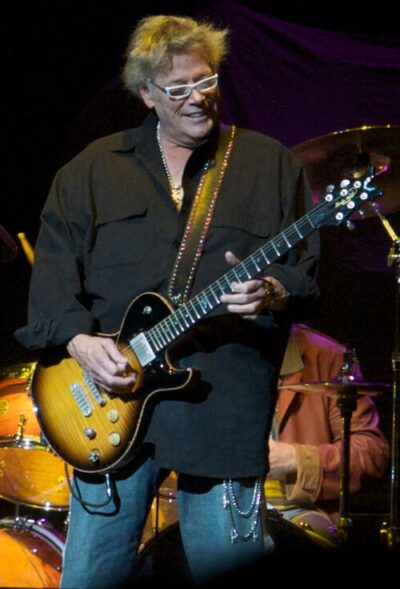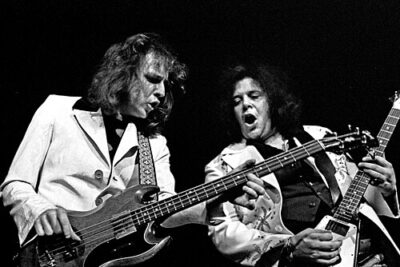
West, Bruce and Laing
West, Bruce and Laing is an American band. It was founded in 1972.
- Founded
- 1972
- Genre
- rock music
- Record label
- Windfall Records
- Country of origin
- United States
All 6 facts, and where they come from
Facts
6 facts · 0 confirmed by two sources · 0 cited · 6 from one source
Where this comes from
Papalocal keeps its own record. It started from these sources; what each one said is kept here as it was copied, so a change on their side never changes this page by itself. Tap one to read its version.
What Wikidata says · copied November 17, 2026 · revision 2563880937
- Described as
- American band
- What it is
- musical group
- Genre
- rock music
- Country of origin
- United States
- Record label
- Windfall Records; Columbia Records
- Founded
- 1972
- Wikipedias with a page
- 9
Wikidata item Q1416545 (wikidata.org/wiki/Q1416545), public domain (CC0). Copied 2026-11-17.
What Wikipedia says · copied November 17, 2026 · revision 1369613880
West, Bruce and Laing (also known by the acronym WBL) were a Scottish–American–Canadian blues rock power trio super-group formed in 1972 by Leslie West (guitar and vocals; formerly of Mountain), Jack Bruce (bass, harmonica, keyboards and vocals; ex-Cream), and Corky Laing (drums and vocals; ex-Mountain). The band released two studio albums, Why Dontcha (1972) and Whatever Turns You On (1973), during their active tenure. Their disbanding was officially announced in early 1974 prior to the release of their third and last album, Live 'n' Kickin'.
In 2009 West and Laing briefly relaunched the band, with Jack Bruce's son Malcolm substituting for his father on bass. This incarnation of the band toured the UK and North America under the name 'West, Bruce Jr. and Laing'.
From the Wikipedia article “West, Bruce and Laing” (en.wikipedia.org/wiki/West,_Bruce_and_Laing), by its contributors, under CC BY-SA 4.0 (creativecommons.org/licenses/by-sa/4.0/). Copied 2026-11-17; not changed.
Confirmed Two sources agree. Cited One source, and it names where it got it. One source One source, without a reference of its own. Sources disagree The sources disagree. We show the best-supported value and keep theirs below.
Picture: Heinrich Klaffs, via Wikimedia Commons · CC BY-SA 2.0