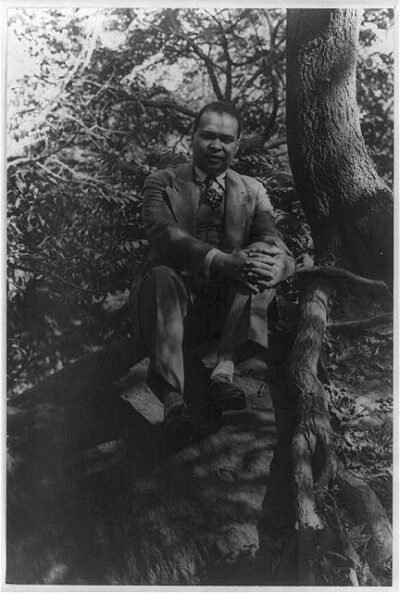
William E. Harmon Foundation award for distinguished achievement among Negroes
William E. Harmon Foundation award for distinguished achievement among Negroes is an award offered for distinguished achievements in eight different fields. It was created in 1926.
- Given by
- Harmon Foundation
- Country
- United States
- Created
- 1926
All 5 facts, and where they come from
Facts
5 facts · 0 confirmed by two sources · 0 cited · 5 from one source
Where this comes from
Papalocal keeps its own record. It started from these sources; what each one said is kept here as it was copied, so a change on their side never changes this page by itself. Tap one to read its version.
What Wikidata says · copied November 16, 2026 · revision 2330414380
- Described as
- award offered for distinguished achievements in eight different fields
- What it is
- award
- Created
- 1926
- Country
- United States
- Given by
- Harmon Foundation
- Named after
- William E. Harmon
- Wikipedias with a page
- 1
Wikidata item Q8008250 (wikidata.org/wiki/Q8008250), public domain (CC0). Copied 2026-11-16.
What Wikipedia says · copied November 16, 2026 · revision 1380739924
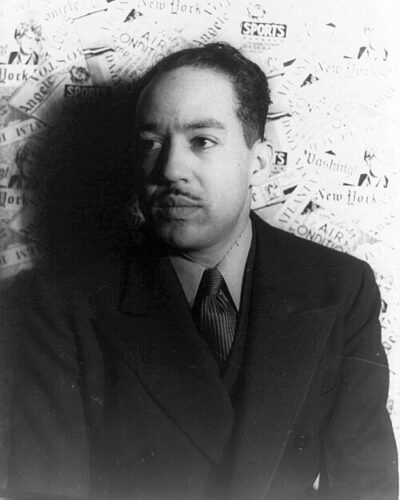
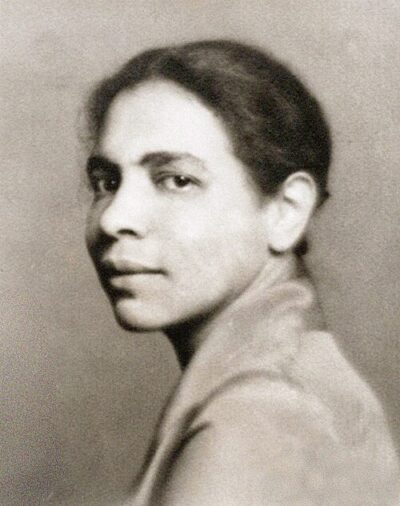
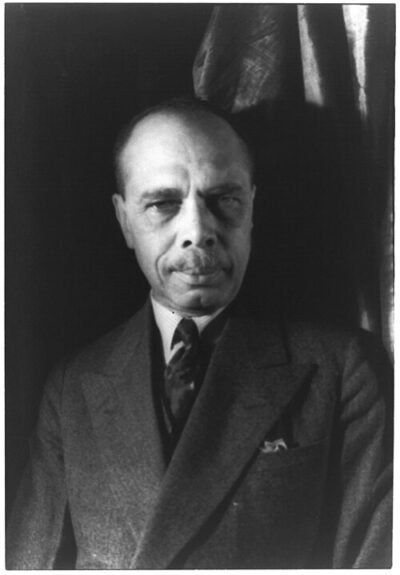
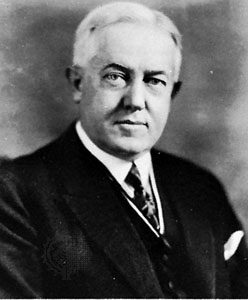
The William E. Harmon Foundation Award for Distinguished Achievement Among Negroes, commonly referred to as the Harmon Award or Harmon Foundation Award, was a philanthropic and cultural award created in 1926 by William E. Harmon and administered by the Harmon Foundation. It was offered for distinguished achievements in eight different fields: literature, music, fine arts, business and industry (such as banker Anthony Overton in 1927), science and innovation, education (for example, educator Janie Porter Barrett in 1929), religious service, and race relations.
From the Wikipedia article “William E. Harmon Foundation Award for Distinguished Achievement Among Negroes” (en.wikipedia.org/wiki/William_E._Harmon_Foundation_Award_for_Distinguished_Achievement_Among_Negroes), by its contributors, under CC BY-SA 4.0 (creativecommons.org/licenses/by-sa/4.0/). Copied 2026-11-16; not changed.
Confirmed Two sources agree. Cited One source, and it names where it got it. One source One source, without a reference of its own. Sources disagree The sources disagree. We show the best-supported value and keep theirs below.