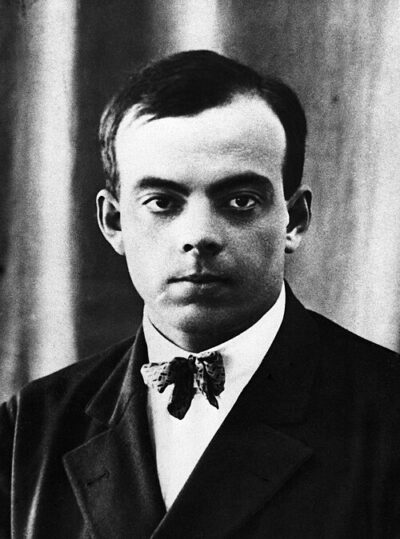
Wind, Sand and Stars
Wind, Sand and Stars is a 1939 memoir by de Saint-Exupéry. It was written by Antoine de Saint-Exupéry. It won the Grand Prix du roman de l'Académie française.
- Published
- February 1939
- Came out
- 1938
- Written by
- Antoine de Saint-Exupéry
- Genre
- memoir
- Country of origin
- France
All 9 facts, and where they come from
Facts
9 facts · 0 confirmed by two sources · 2 cited · 7 from one source
Where this comes from
Papalocal keeps its own record. It started from these sources; what each one said is kept here as it was copied, so a change on their side never changes this page by itself. Tap one to read its version.
What Wikidata says · copied November 17, 2026 · revision 2518358333
- Described as
- 1939 memoir by de Saint-Exupéry
- What it is
- literary work
- Written by
- Antoine de Saint-Exupéry
- Genre
- memoir
- Published
- February 1939 · 1 reference
- Language
- French
- Country of origin
- France
- Comes after
- Night Flight
- Came out
- 1938
- Awards
- Grand Prix du roman de l'Académie française (1939) · 1 reference
- Wikipedias with a page
- 26
Wikidata item Q520146 (wikidata.org/wiki/Q520146), public domain (CC0). Copied 2026-11-17.
What Wikipedia says · copied November 17, 2026 · revision 1384798460
Wind, Sand and Stars (French title: Terre des hommes, literally "Land of Men") is a memoir by the French aristocrat aviator-writer Antoine de Saint-Exupéry, and a winner of several literary awards.
It was first published in France in February 1939, and was then translated by Lewis Galantière and published in English by Reynal and Hitchcock in the United States later the same year.
The book's themes deal with friendship, death, heroism, camaraderie and solidarity among colleagues, humanity and the search for meaning in life. The book illustrates the author's view of the world and his opinions of what makes life worth living.
The central incident he wrote of detailed his 1935 plane crash in the Sahara Desert between Benghazi and Cairo, which he barely survived along with his mechanic-navigator, André Prévot. Saint-Exupéry and his navigator were left almost completely without water and food, and as the chances of finding an oasis or help from the air gradually decreased, the two men nearly died of thirst before they were saved by a Bedouin on a camel.
Wind, Sand and Stars also provided storylines for his book Le Petit Prince with many of the same themes outlined above, particularly camaraderie and friendship.
From the Wikipedia article “Wind, Sand and Stars” (en.wikipedia.org/wiki/Wind,_Sand_and_Stars), by its contributors, under CC BY-SA 4.0 (creativecommons.org/licenses/by-sa/4.0/). Copied 2026-11-17; not changed.
Confirmed Two sources agree. Cited One source, and it names where it got it. One source One source, without a reference of its own. Sources disagree The sources disagree. We show the best-supported value and keep theirs below.
Picture: Wikimedia Commons: Terre des hommes, de Antoine de Saint Exupéry, aux éditions Gallimard, 1939.JPG · See Commons file page