

Wolverhampton Wanderers F.C.
Wolverhampton Wanderers F.C. is an association football club in Wolverhampton, England. It was founded in 1877. It plays in the EFL Championship. Its home is Molineux Stadium. Its head coach is César Peixoto.
- Sport
- association football
- League
- EFL Championship (2026–)
- Home venue
- Molineux Stadium
- Founded
- 1877
- Head coach
- César Peixoto (2026–)
All 13 facts, and where they come from
Facts
13 facts · 0 confirmed by two sources · 1 cited · 12 from one source
Where this comes from
Papalocal keeps its own record. It started from these sources; what each one said is kept here as it was copied, so a change on their side never changes this page by itself. Tap one to read its version.
What Wikidata says · copied November 17, 2026 · revision 2545430766
- Described as
- association football club in Wolverhampton, England
- Other names
- Wolverhampton Wanderers, Wolverhampton Wanderers Football Club, Wolverhampton Wanderers FC, Wolverhampton, Wanderers, Wolves, WWFC, Wolverhampton Wolves, Wolverhampton Wolves FC, Wolverhampton FC Wolves
- What it is
- association football club; men's association football team; professional sports team
- Founded
- 1877
- Headquarters
- Wolverhampton
- Country
- United Kingdom
- Owned by
- Fosun International Limited
- Sport
- association football
- League
- Premier League (2018–2026); EFL Championship (2026–)
- Home venue
- Molineux Stadium
- Head coach
- Nuno Espírito Santo (2017–2021)
- Official website
- https://www.wolves.co.uk/
- Wikipedias with a page
- 85
Wikidata item Q19500 (wikidata.org/wiki/Q19500), public domain (CC0). Copied 2026-11-17.
What Wikipedia says · copied November 17, 2026 · revision 1386011518
Wolverhampton Wanderers Football Club ( WUUL-vər-HAMP-tən), commonly referred to as Wolves, is a professional football club based in Wolverhampton, England. The club competes in the EFL Championship, the second tier of English football. The club has played at Molineux Stadium since moving from Dudley Road in 1889. The club's traditional kit consists of old gold shirts and socks with black shorts. Since 1979, the kit has also featured the club's "wolf's head" logo. Long-standing rivalries exist with other clubs from the West Midlands, including Aston Villa, Stoke City, and Birmingham City, but the main one is the Black Country derby contested with West Bromwich Albion. Since 2016, the club has been owned by the Chinese conglomerate Fosun International.
Formed as St. Luke's F.C. in 1877, the club changed name to Wolverhampton Wanderers two years later and became one of the founding members of the Football League in 1888. They won the FA Cup for the first time in 1893, and again as a Second Division team in 1908 following the club's relegation two years previously. They fell to the third tier in 1923, but went on to win the Third Division North in 1923–24 and the Second Division in 1931–32. The team was crowned English League champions three times – in 1953–54, 1957–58 and 1958–59 – all under the management of Stan Cullis. Wolves also won another two FA Cup finals, in 1949 and 1960. Relegated in 1965, after 26 consecutive seasons in the top flight, they secured promotion back to the First Division in 1966–67. Wolves won the League Cup in 1974 and 1980, and again won the Second Division title in 1976–77.
Wolves suffered a financial crisis during the early-1980s recession that led to the club coming close to liquidation in 1982. In the five seasons between 1981–82 and 1985–86 Wolves were relegated four times (although there was also one promotion in 1982–83), meaning the club ended up in what was then the Football League Fourth Division (now EFL League Two) for the first (and so far only) time in the club's history. However, the club immediately started a swift turn-around, and having been beaten in the inaugural Football League play-off final in 1987, Wolves won the Fourth Division and Football League Trophy titles in 1987–88, followed by the Third Division title in 1988–89.
After fourteen seasons in the second tier between 1989 and 2003, Wolves reached the Premier League, founded in 1992, for the first time with victory in the 2003 play-offs, though they were relegated after a single season in the top division on this occasion. Wolves won the Championship in 2008–09 to return to the Premier League, but endured relegation in 2011–12, followed by relegation again (to EFL League One) in 2012–13. The club then returned to the Premier League after first winning the League One title in 2013–14, followed by another Championship title in 2017–18.
After becoming one of the first British clubs to install floodlights at its home ground in 1953, Wolves arranged televised "floodlit friendlies" against leading overseas club sides between 1953 and 1956, the most notable being the famous Honved game, which were instrumental in the launch of the European Cup (now known as the UEFA Champions League) in 1955. Wolves reached the quarter-finals of the competition in 1959–60 as well as the semi-finals of the 1960–61 European Cup Winners' Cup and the inaugural UEFA Cup Final in 1972. Following a 39-year absence from UEFA competitions, they reached the UEFA Europa League finals in 2020.
From the Wikipedia article “Wolverhampton Wanderers F.C.” (en.wikipedia.org/wiki/Wolverhampton_Wanderers_F.C.), by its contributors, under CC BY-SA 4.0 (creativecommons.org/licenses/by-sa/4.0/). Copied 2026-11-17; not changed.
Confirmed Two sources agree. Cited One source, and it names where it got it. One source One source, without a reference of its own. Sources disagree The sources disagree. We show the best-supported value and keep theirs below.
Picture: Wikimedia Commons: Molineux Ground, Wolverhampton.jpg · See Commons file page
People connected 99
Played for this team 99
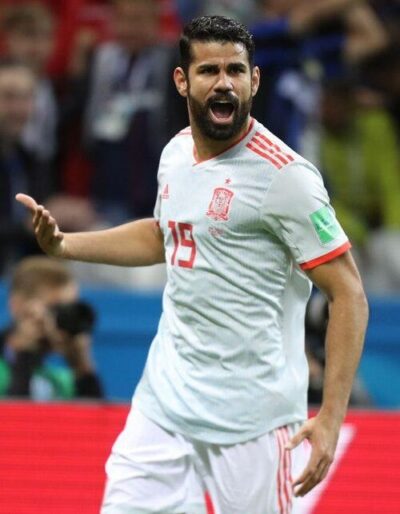 Diego Costa (2022–2023)Brazilian association football player
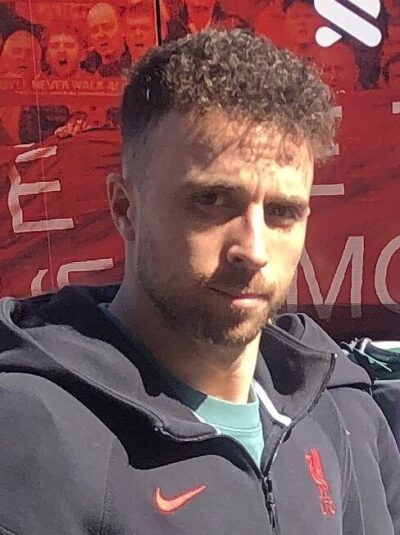 Diogo Jota (2018–2020)Portuguese footballer (1996-2025)
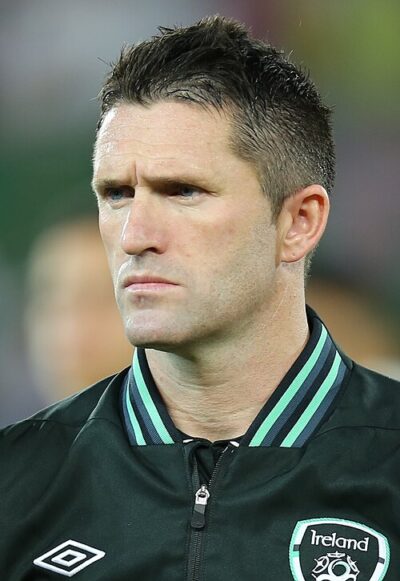 Robbie Keane (1997–1999)Irish association football player and manager
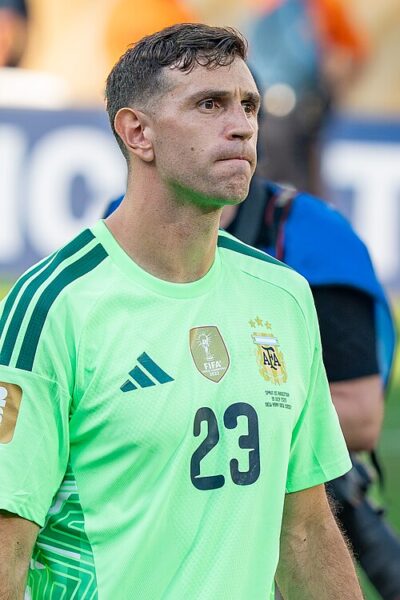 Emiliano Martínez (2015–2016)Argentine footballer (born 1992)
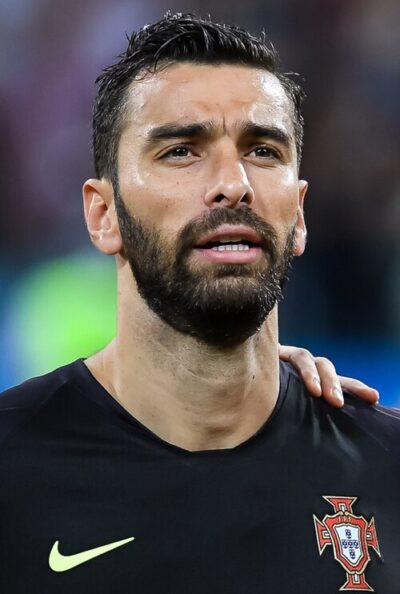 Rui Patrício (2018–2021)Portuguese association football player
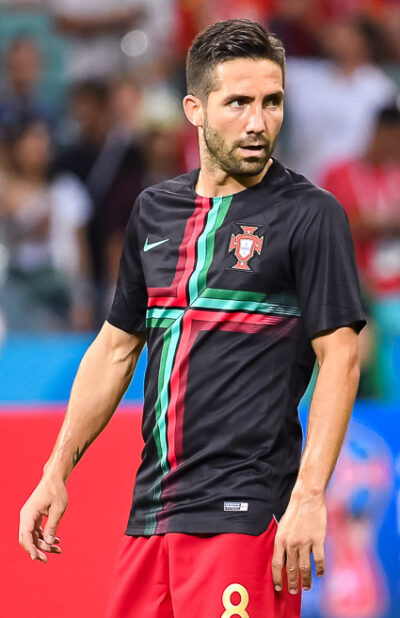 João Moutinho (2018–2023)Portuguese association football player (born 1986)
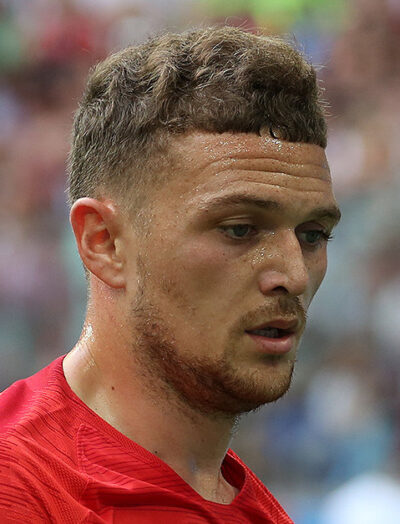 Kieran Trippier (2026–)English association football player (born 1990)
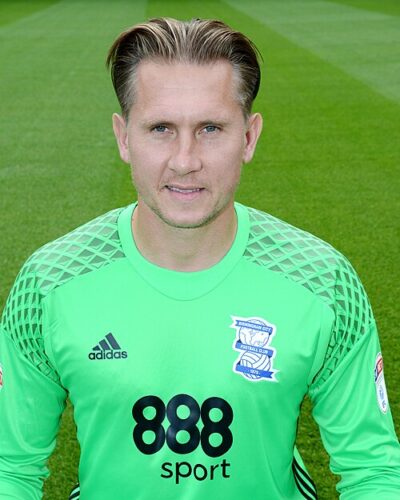 Tomasz Kuszczak (2014–2015)Polish footballer (born 1982)
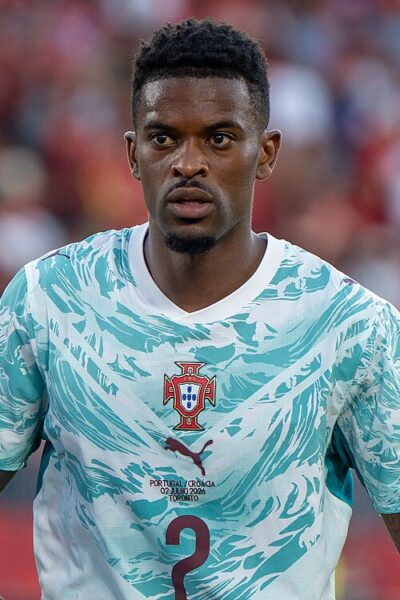 Nélson Semedo (2020–2025)Portuguese footballer (born 1993)
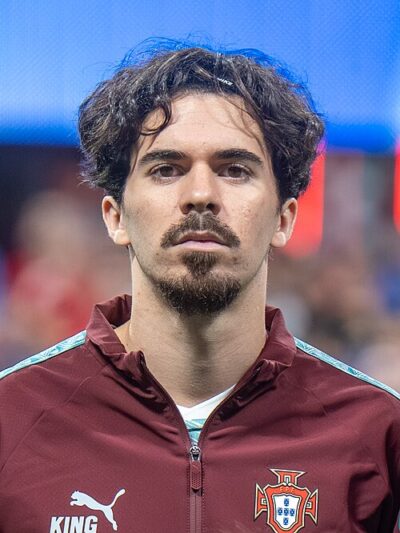 Vitinha (2020–2021)Portuguese footballer (born 2000)
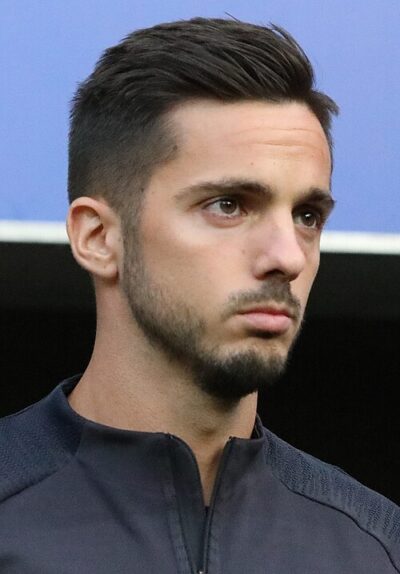 Pablo Sarabia (2023–2025)Spanish association football player
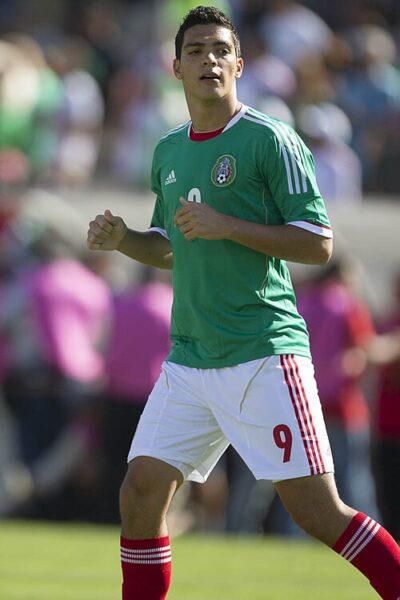 Raúl Jiménez (2018–)Mexican association football player (born 1991)
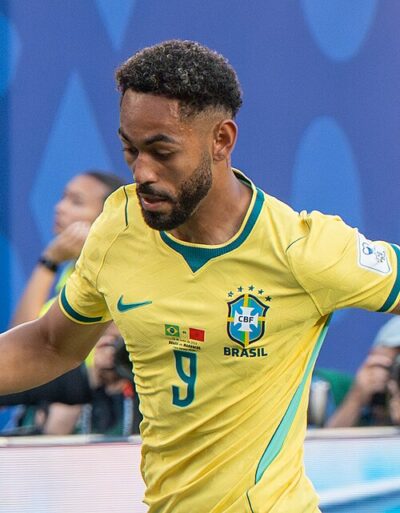 Matheus Cunha (2023–2025)Brazilian association football player do brazilian player (born 1999)
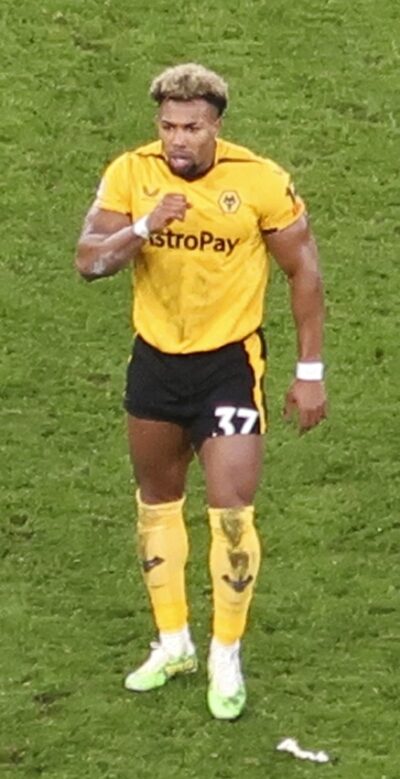 Adama Traoré (2018–2023)Spanish association football player
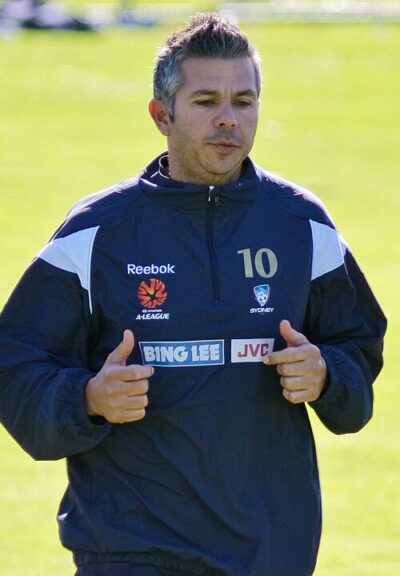 Steve Corica (1996–2000)Australian association football player
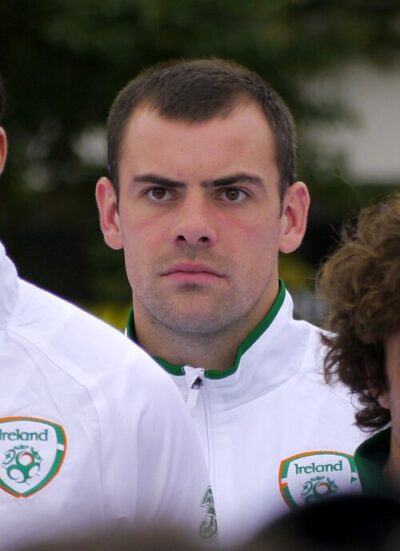 Darron Gibson (2007–2008)Irish association football player (born 1987)
 Jay Bothroyd (2006–2008)English association football player
 Tomasz Frankowski (2006–2007)Polish association football player
 Romain SaïssMoroccan association football player
 Paul Ince (2002–2006)English association football player and manager
 Pedro Neto (2019–2024)Portuguese footballer (born 2000)
 Joleon Lescott (2000–2006)English association football player
 Hwang Hee-chan (2021–2026)South Korean association football player (born 1996)
 Jesús Vallejo (2019–2020)Spanish association football player
and 75 more
