Workers' Opposition
Workers' Opposition is a faction of the Russian Communist Party. It was founded in 1920.
- Founded
- 1920
All 3 facts, and where they come from
Facts
3 facts · 0 confirmed by two sources · 0 cited · 3 from one source
Where this comes from
Papalocal keeps its own record. It started from these sources; what each one said is kept here as it was copied, so a change on their side never changes this page by itself. Tap one to read its version.
What Wikidata says · copied November 17, 2026 · revision 2476325873
- Described as
- faction of the Russian Communist Party
- What it is
- political faction
- Founded
- 1920
- Ended
- 1922
- Wikipedias with a page
- 13
Wikidata item Q440865 (wikidata.org/wiki/Q440865), public domain (CC0). Copied 2026-11-17.
What Wikipedia says · copied November 17, 2026 · revision 1383339827
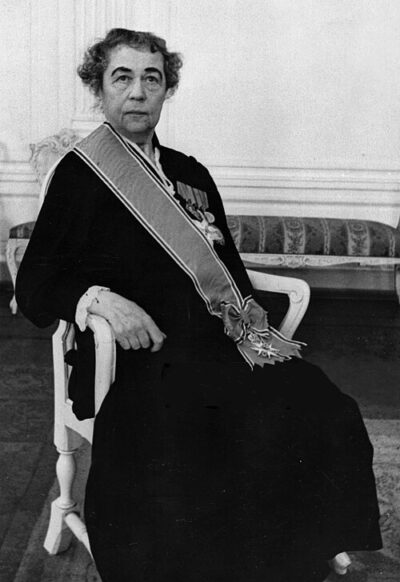
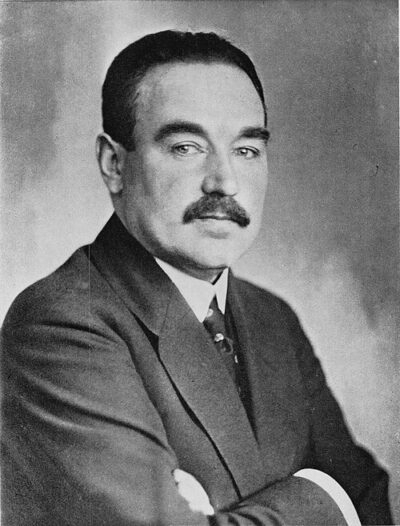
The Workers' Opposition (Russian: Рабочая оппозиция, romanized: Rabochaya oppozitsiya) was a faction of the Russian Communist Party that emerged in 1920 as a response to the perceived over-bureaucratisation that was occurring in Soviet Russia. They advocated for the transfer of national economic management to trade unions. The group was led by Alexander Shlyapnikov, Sergei Medvedev, Alexandra Kollontai and Yuri Lutovinov. It officially existed until March 1921 when it was forced to dissolve by the 10th Congress of the Russian Communist Party (Bolsheviks), and semi-clandestinely until the subsequent 11th Congress in 1922, where its main exponents teetered dangerously on the verge of being purged for fractionist activity. In some aspects, it was close with the German council communist movement, although there is no information about direct contacts between these groups.
From the Wikipedia article “Workers' Opposition” (en.wikipedia.org/wiki/Workers'_Opposition), by its contributors, under CC BY-SA 4.0 (creativecommons.org/licenses/by-sa/4.0/). Copied 2026-11-17; not changed.
Confirmed Two sources agree. Cited One source, and it names where it got it. One source One source, without a reference of its own. Sources disagree The sources disagree. We show the best-supported value and keep theirs below.