Yugoslav National Movement
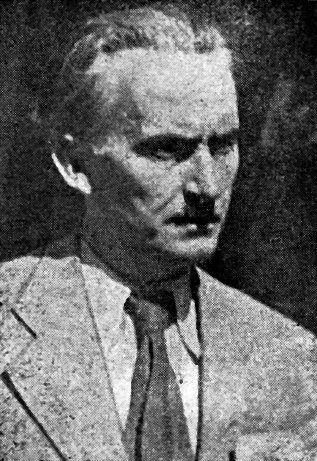
The Yugoslav National Movement is a political party. It was founded in 1935 by Dimitrije Ljotić. Its headquarters are in Belgrade. It stands for fascism, nationalism and social conservatism.
- Country
- Kingdom of Yugoslavia
- Founded
- January 6, 1935
- Ideology
- fascism
- Chair
- Dimitrije Ljotić
All 11 facts, and where they come from
Facts
11 facts · 0 confirmed by two sources · 0 cited · 11 from one source
Where this comes from
Papalocal keeps its own record. It started from these sources; what each one said is kept here as it was copied, so a change on their side never changes this page by itself. Tap one to read its version.
What Wikidata says · copied November 18, 2026 · revision 2521749345
- Described as
- political party
- Other names
- ZBOR, United Militant Labour Organization, Yugoslav People's Movement
- What it is
- political party
- Founded
- January 6, 1935
- Ended
- 1945
- Founded by
- Dimitrije Ljotić
- Headquarters
- Belgrade · 1 reference
- Country
- Kingdom of Yugoslavia
- Chair
- Dimitrije Ljotić
- Ideology
- fascism; nationalism; social conservatism; antisemitism
- Wikipedias with a page
- 18
Wikidata item Q135944 (wikidata.org/wiki/Q135944), public domain (CC0). Copied 2026-11-18.
What Wikipedia says · copied November 18, 2026 · revision 1382763341
The Yugoslav National Movement (Serbo-Croatian: Југословенски народни покрет, Jugoslavenski narodni pokret), also known as the United Militant Labour Organization (Serbo-Croatian: Здружена борбена организација рада, Združena borbena organizacija rada, or Zbor / Збор), was a Yugoslav clerical fascist movement and organization led by politician Dimitrije Ljotić. Founded in 1935, it received considerable German financial and political assistance during the interwar period and participated in the 1935 and 1938 Yugoslav parliamentary elections, in which it never received more than 1 percent of the popular vote.
Following the Axis invasion and occupation of Yugoslavia in April 1941, the Germans selected several Zbor members to join the Serbian puppet government of Milan Nedić. The Serbian Volunteer Corps (SDK) was established as Zbor's party army. Ljotić had no control over the SDK, which was commanded by Colonel Kosta Mušicki. In late 1944, Ljotić and his followers retreated to Slovenia with the Germans and other collaborationist formations. In March, Ljotić and Chetnik leader Draža Mihailović agreed on a last-ditch alliance against the Yugoslav Partisans. Ljotić's followers were placed under the command of Chetnik commander Miodrag Damjanović. Ljotić was killed in an automobile accident in late April 1945. His followers later fled to Italy alongside the Chetniks. The Western Allies extradited many back to Yugoslavia following the war, where they were summarily executed and buried in mass graves. Those who were not extradited immigrated to western countries and established émigré organizations intended to promote Zbor's political agenda.
From the Wikipedia article “Yugoslav National Movement” (en.wikipedia.org/wiki/Yugoslav_National_Movement), by its contributors, under CC BY-SA 4.0 (creativecommons.org/licenses/by-sa/4.0/). Copied 2026-11-18; not changed.
Confirmed Two sources agree. Cited One source, and it names where it got it. One source One source, without a reference of its own. Sources disagree The sources disagree. We show the best-supported value and keep theirs below.